The moving frame
Living Typologies
Bondi Icebergs Pool: A Lane Beside the Open Sea
At Sydney’s Bondi Baths, a straight swimming lane and a winter club calendar give the ocean an everyday scale.
At Bondi Baths in Sydney, the lap pool gives swimmers a measured line beside the open sea. Club history and the pool timetable reveal how repeated visits give the place its public character.
At Bondi Icebergs Pool, a swimmer has two horizons. One is the far end of a lane, a distance that can be swum and counted. The other is the sea beyond it. Put them in the same field of vision and a familiar sporting rectangle starts to look like a room drawn on open water. That is the architectural pleasure of the Bondi Baths in Sydney. The boundary makes the ocean easier to see.
In Short
- Local lifesavers founded the Bondi Icebergs winter swimming club in 1929.
- The baths include a lap pool and a smaller children’s pool.
- The club explains that tides and races can affect public access.
Picture Notes
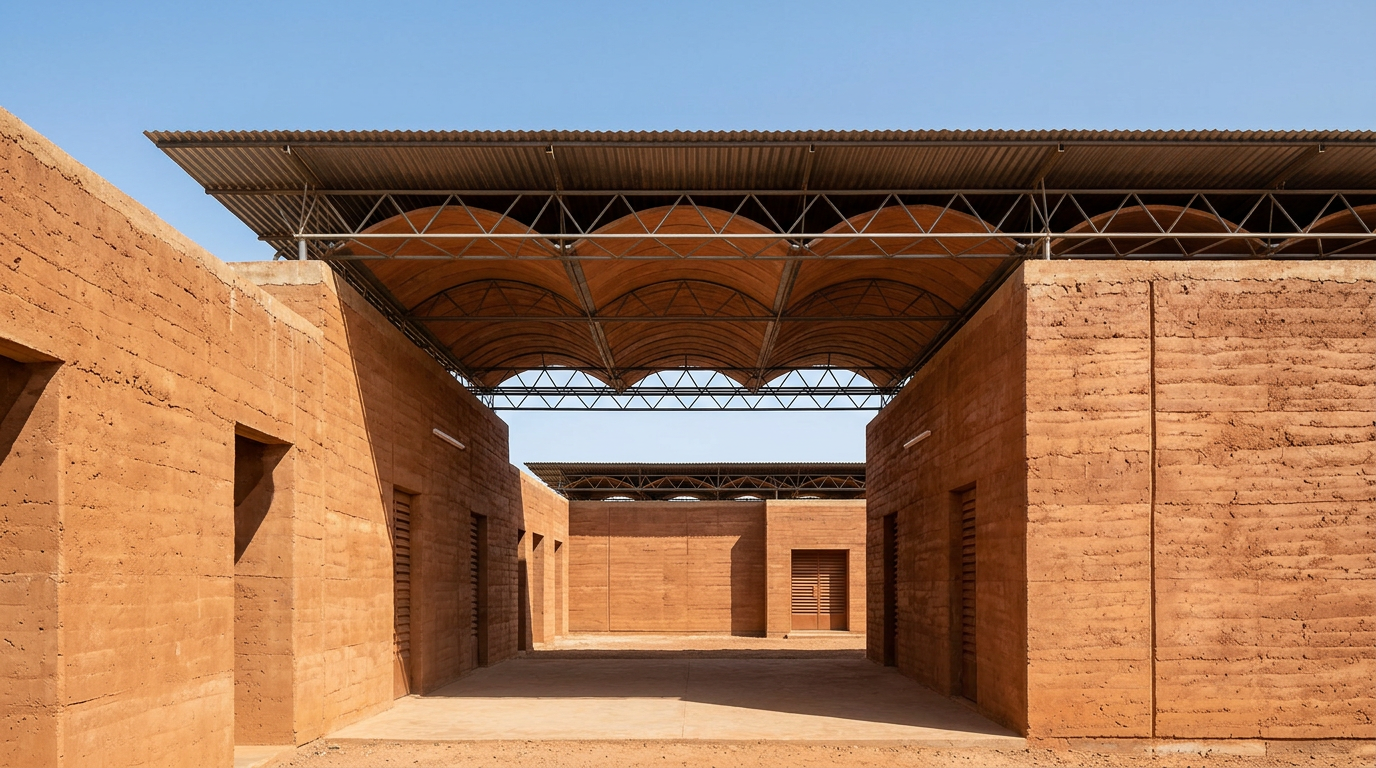
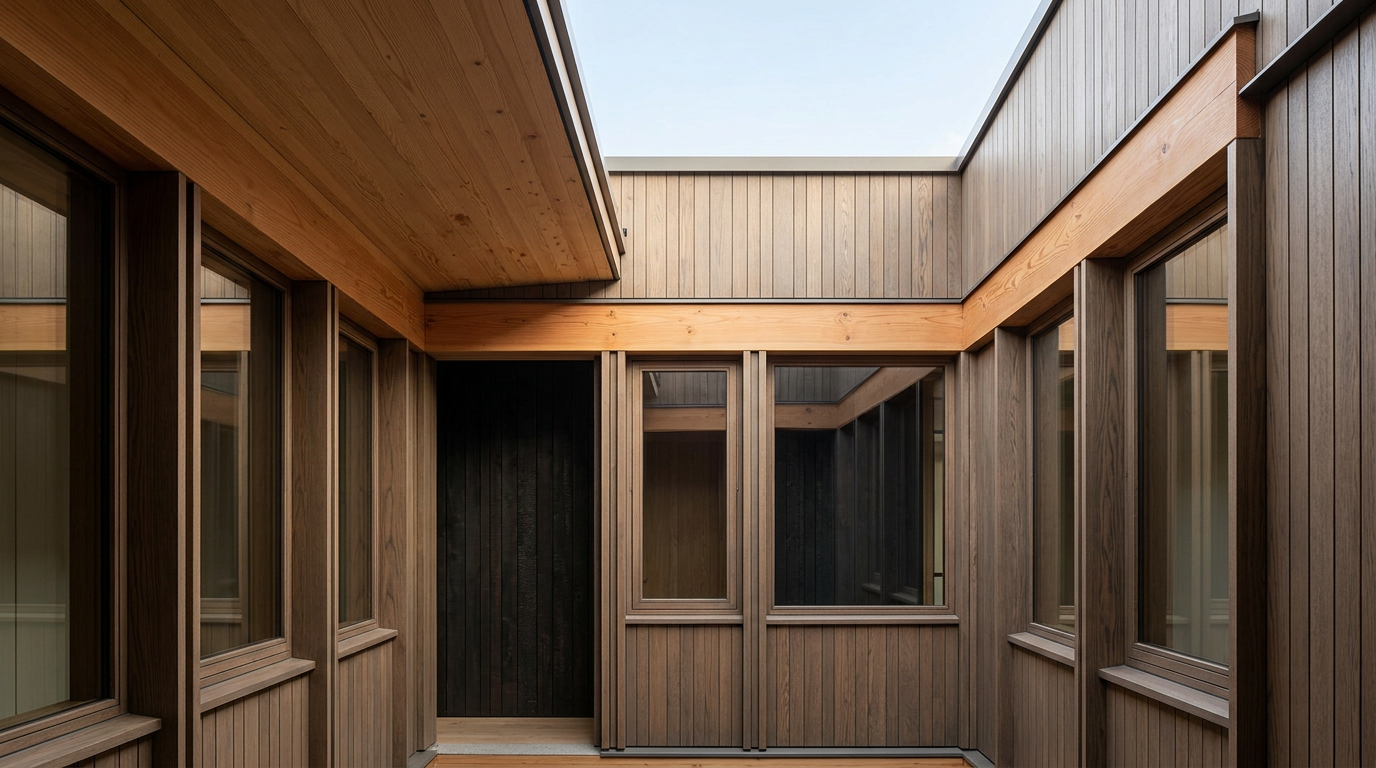
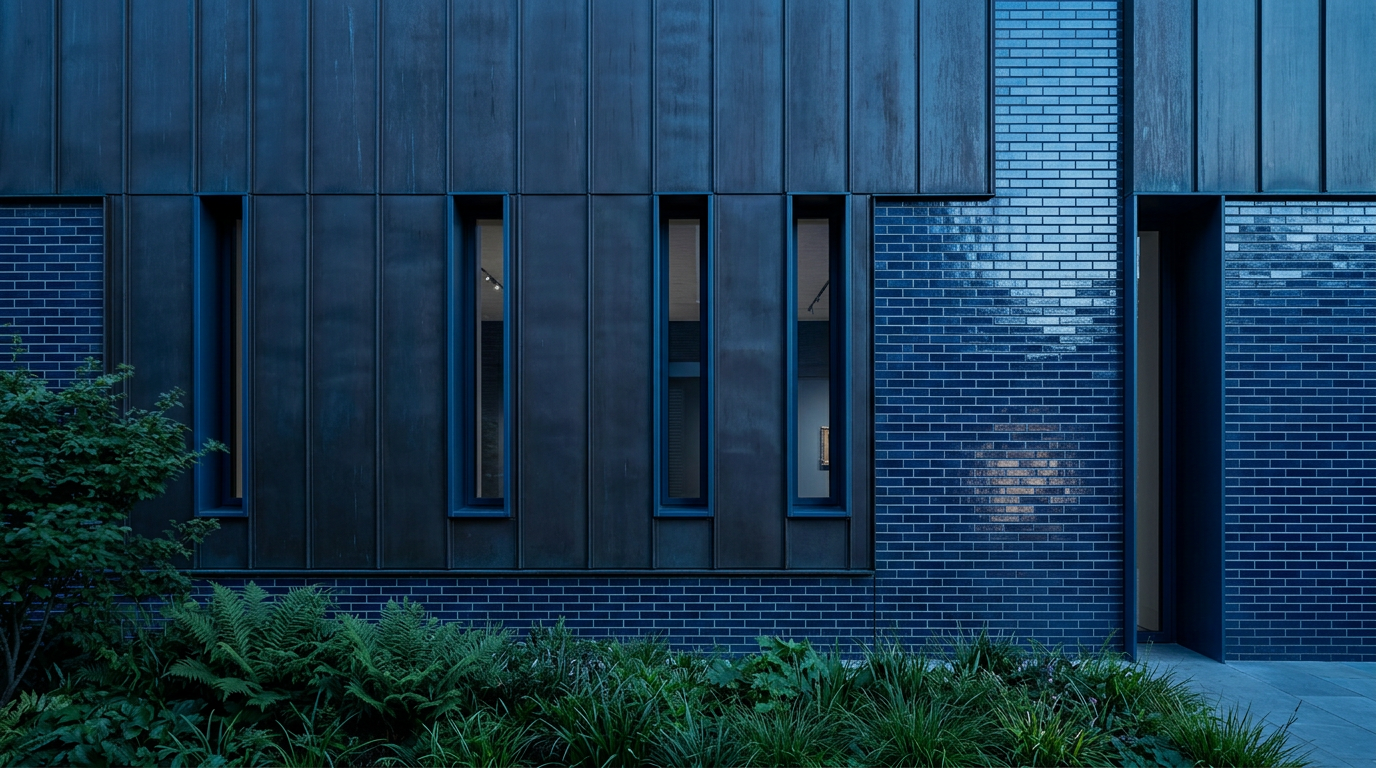
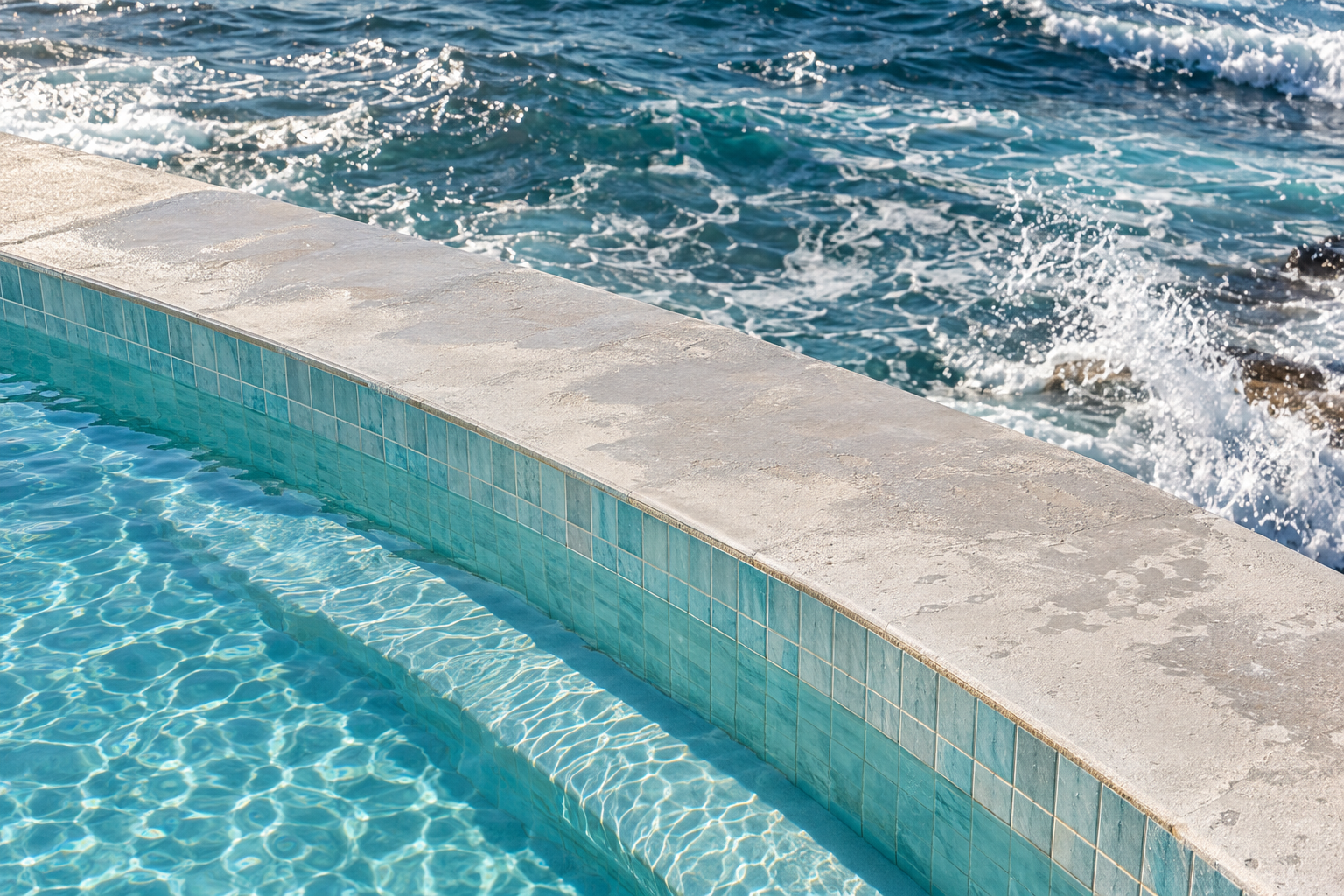
These notes describe the AI illustration shown with this article, not photographs of the real place.
1. Lead illustration: Close detail — AI illustration — a close view of one detail, showing the built form with a cool palette.
A club’s date, a swimmer’s calendar
The club’s account of its beginnings dates the swimming organisation to 1929. Local lifesavers wanted to stay fit during winter. They gave that ambition an unusually demanding calendar. Under the historic Rule 15B, members raced on three Sundays in every four over a five-year period. The date belongs to the founding of the club. It tells us nothing by itself about when any particular wall of the baths was made.
Read that rule alongside the shape of a lap. The swimmer repeats an outward journey and a return. A club repeats the meeting a week later. Both give a measure to something difficult to hold in a drawing, the time people invest in a place. A plan can show the room available for a gathering. It takes a calendar to show how a gathering becomes an institution.
Two ways into the water
The operator’s description of the baths distinguishes the larger lap pool from the smaller children’s pool. It also locates the sauna at pool-deck level. Those few facts suggest a useful way to draw the place. Follow a person who has come to swim lengths, then follow a child with an accompanying adult. The same stretch of water means a destination to one and a threshold to the other. The second drawing asks for space to stop, look and decide whether to go farther.
Think of the deck as a shared room with several possible speeds. There is the measured rhythm of a lap and the much slower interval of someone waiting. In a plan populated only by arrows, waiting disappears. Add a single figure looking out to sea and the interval between the buildings and the water acquires another use. It can be a place to spend time in its own right.
The tide in the timetable
The club qualifies its public entry arrangements by reference to tides and swimming races. Even cleaning has a place in the published timetable. These are small but revealing details for an architect. Access depends partly on the sea and partly on people keeping an appointment. A plan with a neat line around the pool describes only one of those conditions.
For comparison, our essay on bathing spaces in stone and water asks how an enclosure prepares a body for immersion. At Bondi the question also runs the other way. What does the body notice about the larger landscape once it has a straight edge from which to look? The visual contrast between a lane and an open horizon gives this essay its answer. The pool lends the eye a unit with which to read the sea.
ARCHITECTT Note
Try sketching the baths twice on tracing paper. Give the first sheet only the pool edge and the horizon. On the second, mark a swimmer turning, a companion waiting and a race about to begin. Overlay the sheets. The second drawing brings the public life of the first into focus without adding another wall.
FAQ
What happened at Bondi in 1929?
Local lifesavers founded the winter swimming club. The club’s account distinguishes that event from later changes to its premises.
What facilities does the pool operator describe?
It lists a lap pool, a smaller children’s pool and a sauna on the pool deck.
Why does the tide matter to visitors?
The operator says tides and races can affect admission. Its pool conditions page is the place to check current arrangements.
Closing
The most memorable line at Bondi may be the one a swimmer follows back to the starting point. Its end is clear. Beyond it the water stretches on, inviting a different kind of attention.
In Short
A lap pool, a children’s pool and a winter swimming club give different rhythms to a shared oceanfront setting.
Key takeaways
- —Local lifesavers founded the club in 1929.
- —The baths have two pools of different scales.
- —Tides and races can affect access.
Sources
- The club traces its founding to local lifesavers in 1929 and describes historic Rule 15B.https://icebergs.com.au/icebergs-club/
- The operator describes two pools, the deck-level sauna and public entry subject to tides and races.https://icebergs.com.au/pool-conditions/
Topics
Explore related reading
Continue reading