
Living Typologies
Patinated Zinc: London Gallery and the Climate Cost of Craft
A deep dive into standing-seam zinc applications for a private art gallery in London, examining material lifecycle and embodied carbon.
Patinated zinc standing-seam roofing, when applied to a London private art gallery, demonstrates critical regionalism by offering inherent durability, low maintenance, and a favorable embodied carbon profile through its long material lifecycle and high recyclability.
The precise application of patinated zinc standing-seam roofing on a London private art gallery exemplifies critical regionalism through its response to climate and material longevity. This craft-driven approach integrates durable materials into the urban fabric, addressing contemporary concerns regarding embodied carbon in construction. The selection of zinc, with its established lifecycle and recyclability, offers a pragmatic response to material sustainability within architectural practice.
In Short
- Patinated zinc standing-seam cladding offers inherent durability and low maintenance.
- Its material lifecycle presents a favorable embodied carbon profile compared to many common alternatives.
- Critical regionalism informs material choices responsive to local climate and construction traditions.
- Craftsmanship in metal roofing ensures long-term performance and aesthetic integration.
Picture Notes
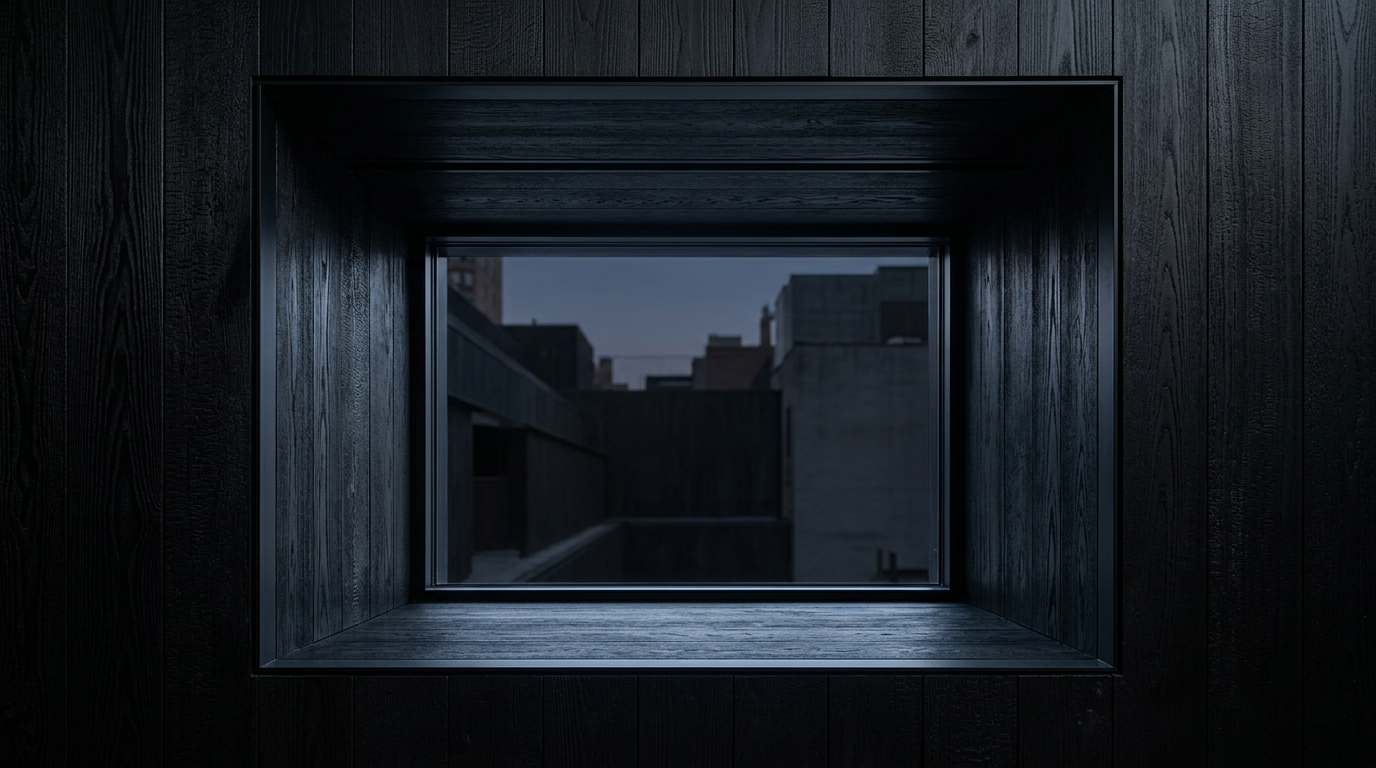
1. Zinc panel edge — The finely crimped edge of a zinc panel catches the low light, revealing the subtle texture of its pre-patinated surface. This detail highlights the precision inherent in standing-seam fabrication. 2. Junction with brick — A clean, minimal joint where the dark zinc meets a blue-glazed brick wall, demonstrating careful material transitions. This interface manages water runoff while maintaining aesthetic coherence. 3. Standing seam profile — The crisp, raised profile of a single standing seam casts a linear shadow. This structural element provides weatherproofing and visual rhythm across the roof plane. 4. Gutter detail — A precisely formed zinc gutter directs rainwater away from the facade. Its seamless integration with the roofing panels speaks to comprehensive design intent. 5. Material patina — A close view of the developing blue-grey patina on the zinc surface. This natural oxidation process provides protection and evolves the building's aesthetic over time.
Material Longevity and Embodied Carbon in Zinc
Patinated zinc, specifically applied as standing-seam panels, offers a compelling case for material selection driven by both aesthetic and ecological considerations. Zinc is a naturally occurring metal with a long service life, typically exceeding 50 to 100 years, depending on environmental conditions and panel thickness. Its natural patina forms a protective layer, rendering the material largely maintenance-free post-installation. This inherent durability directly reduces the need for frequent replacement, consequently lowering the cumulative embodied carbon footprint over a building's lifespan.
The embodied carbon of zinc roofing includes extraction, processing, manufacturing, transport, and installation. While initial production can be energy-intensive, zinc's high recyclability rate—estimated at over 95% for post-consumer waste—significantly mitigates its overall environmental impact. This contrasts with materials that offer shorter lifespans or are difficult to recycle. For the private art gallery in London, the choice of zinc was not merely aesthetic; it represented a commitment to a material with a proven lifecycle and a favorable environmental profile, aligning with a critical regionalist approach that prioritizes durable, context-appropriate construction.
Crafting the Envelope: Standing-Seam Techniques
The standing-seam technique for metal roofing and cladding involves interlocking panels with raised seams that run vertically or horizontally. This method creates a highly durable, watertight, and visually distinctive envelope. For the London gallery, skilled metalworkers fabricated the panels on-site or off-site with precision, then assembled them using specialized tools. The zinc sheets, typically 0.7mm thick, are joined by folding and crimping their edges, forming a mechanical lock that accommodates thermal expansion and contraction without compromising weather integrity.
This craft-intensive process minimizes reliance on sealants, which often degrade over time and require reapplication. The robust mechanical fixings and detailed fabrication ensure that the building's skin can withstand London's variable climate, including wind uplift and precipitation. The particular blue-grey patination of the zinc complements the adjacent glazed cobalt brickwork, creating a cohesive material palette that is both visually striking and performant. The artisanal quality of standing-seam installation is crucial for achieving both the aesthetic precision and the long-term weatherproofing demanded by a high-value building such as an art gallery.
Critical Regionalism and Urban Context
Critical regionalism, as an architectural philosophy, advocates for design that responds to its specific geographic, climatic, and cultural context while engaging with universal architectural principles. In the context of this London art gallery, the use of patinated zinc standing-seam cladding is a critical regionalist gesture. It acknowledges London's climate, which favors robust, waterproof building envelopes, and its industrial heritage, where metal cladding has historical precedent.
The gallery’s design avoids generic international styles, opting instead for materials and forms that resonate with its location. The precise detailing and material palette—blued steel elements and deep-blue azulejo tiles—integrate the building into its immediate urban fabric without mimicking historicism. This approach ensures the building feels rooted, demonstrating how contemporary architecture can be site-specific and environmentally responsible. The project’s formal language speaks to the quiet precision of British architectural craft, creating a distinct presence within its dense urban block.
ARCHITECTT Note
We observe how thoughtful material specification, particularly concerning lifecycle and embodied carbon, is becoming an indispensable facet of architectural discourse. The selection of materials like patinated zinc, with its dual benefits of aesthetic refinement and long-term performance, shifts the conversation from singular aesthetic impact to integrated environmental responsibility. This gallery exemplifies a nuanced understanding of how craft can contribute to sustainable construction.
Closing
The London private art gallery, clad in patinated zinc standing-seam, stands as a testament to the enduring value of craft and considered material choice. Its design reflects a commitment to building for longevity, employing techniques that offer both aesthetic rigor and environmental prudence. This project demonstrates that architecture can be simultaneously innovative and deeply rooted in its context, providing both cultural value and a sustainable material legacy.
FAQ
What is patinated zinc?
Patinated zinc is zinc that has undergone a controlled oxidation process, either naturally over time or through pre-treatment, to create a stable, protective layer. This layer gives the zinc a distinct blue-grey color and enhances its durability against environmental factors.
Why is standing-seam construction used for roofing and cladding?
Standing-seam construction provides a highly weather-tight and durable building envelope. The raised seams prevent water penetration, and the system allows for thermal expansion and contraction of metal panels, minimizing stress and ensuring long-term performance without sealants.
How does patinated zinc contribute to sustainable building practices?
Patinated zinc contributes to sustainability through its exceptional durability and very high recyclability rate. Its long lifespan reduces the need for frequent replacement, and its ability to be largely recycled minimizes waste and demand for virgin materials.
What is critical regionalism in architecture?
Critical regionalism is an architectural approach that seeks to counter the placelessness of modern architecture by incorporating elements that are specific to a particular geographical, climatic, and cultural context, without resorting to nostalgic pastiche. It emphasizes local materials, vernacular forms, and climate-responsive design.
What is embodied carbon in construction?
Embodied carbon refers to the greenhouse gas emissions associated with the entire lifecycle of building materials, from extraction, manufacturing, and transportation to construction, maintenance, and end-of-life. Reducing embodied carbon is a key goal in sustainable design.
In Short
Patinated zinc standing-seam cladding on a London art gallery showcases durable, low-carbon material use within critical regionalist design principles.
Key takeaways
- —Patinated zinc offers significant durability and minimal maintenance for building envelopes.
- —The standing-seam technique is a highly effective, craft-driven method for weatherproofing.
- —Material lifecycle and high recyclability make zinc a favorable choice for reducing embodied carbon.
- —Critical regionalism informs design decisions that are responsive to local climate and context.
- —Precision craftsmanship is essential for the long-term performance and aesthetic integration of metal cladding.
Sources
- Zinc is a naturally occurring metal with a long service life, typically exceeding 50 to 100 yearshttps://www.vmzinc.co.uk/fileadmin/redaktion/VMZINC_UK/Documents/pdf/VMZINC-sustainable-development-brochure.pdf
- Its high recyclability rate—estimated at over 95% for post-consumer wastehttps://www.vmzinc.co.uk/fileadmin/redaktion/VMZINC_UK/Documents/pdf/VMZINC-sustainable-development-brochure.pdf
- The zinc sheets, typically 0.7mm thickhttps://www.zinc.com/sustainability/lifecycle-assessment-lca/
- Critical regionalism, as an architectural philosophy, advocates for design that responds to its specific geographic, climatic, and cultural contexthttps://en.wikipedia.org/wiki/Critical_regionalism
Topics
Referenced in this piece
Continue reading