
Sustainability & Climate
Three Destinations for Art and Architecture in the South of France
A guide to Villa E-1027, Chapelle du Rosaire, and Château La Coste.
The South of France offers three notable destinations for art and architecture enthusiasts: Villa E-1027 in Roquebrune-Cap-Martin, Henri Matisse's Chapelle du Rosaire in Vence, and Château La Coste near Aix-en-Provence.
The South of France offers a concentrated itinerary for those interested in modern architecture and contemporary art, with three key sites — Villa E-1027, Chapelle du Rosaire, and Château La Coste — each presenting a unique intersection of design and artistic vision. These locations provide a comprehensive overview of 20th-century innovation and contemporary artistic patronage, all accessible for public visitation within a sensible travel radius. Each site demonstrates a distinct approach to integrating art, architecture, and landscape in the Mediterranean climate.
In Short
- Villa E-1027: Eileen Gray's seminal modernist villa in Roquebrune-Cap-Martin, designed in 1929.
- Chapelle du Rosaire: Henri Matisse's complete artwork in Vence, consecrated in 1951.
- Château La Coste: A vineyard estate near Aix-en-Provence featuring contemporary art and architecture installations.
- Seasonal Liveability: Each site demonstrates intentional design choices for year-round visitor experience.
Picture Notes
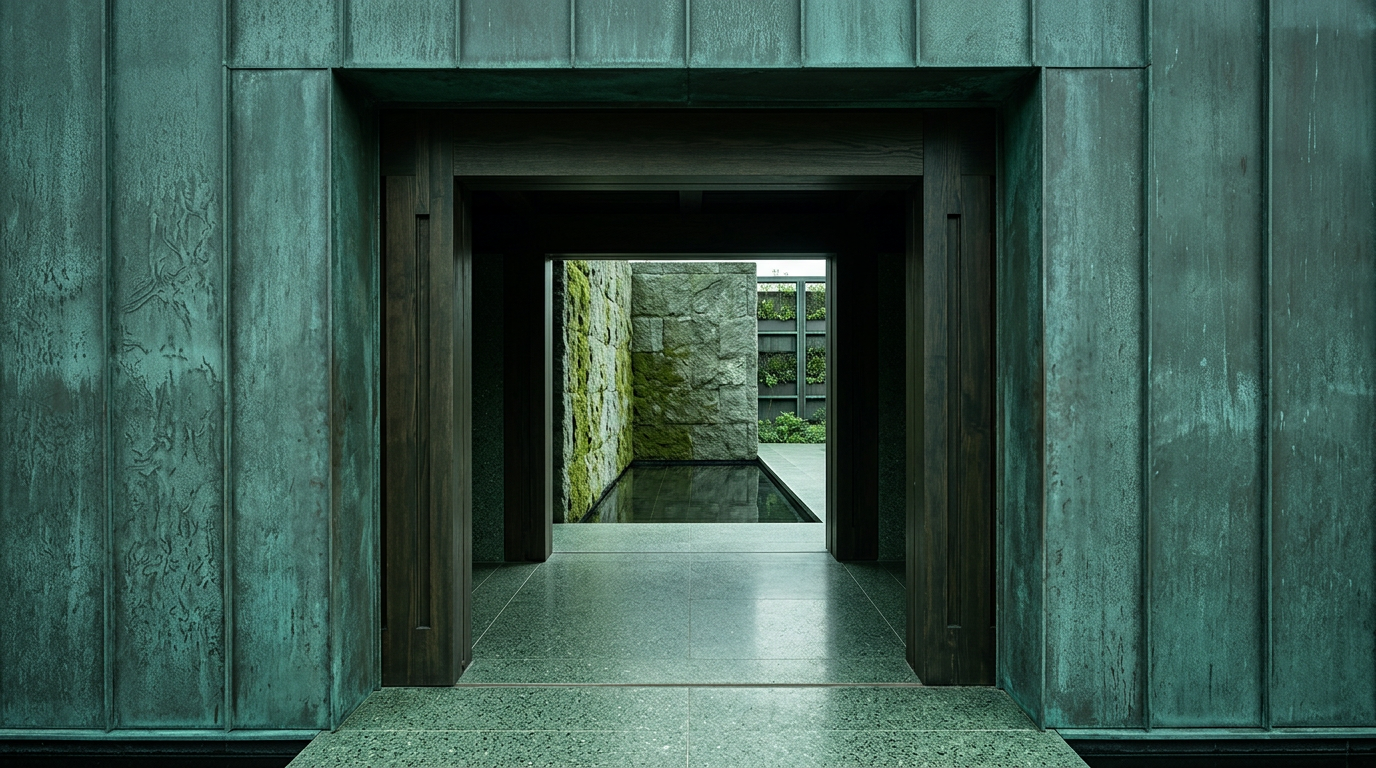
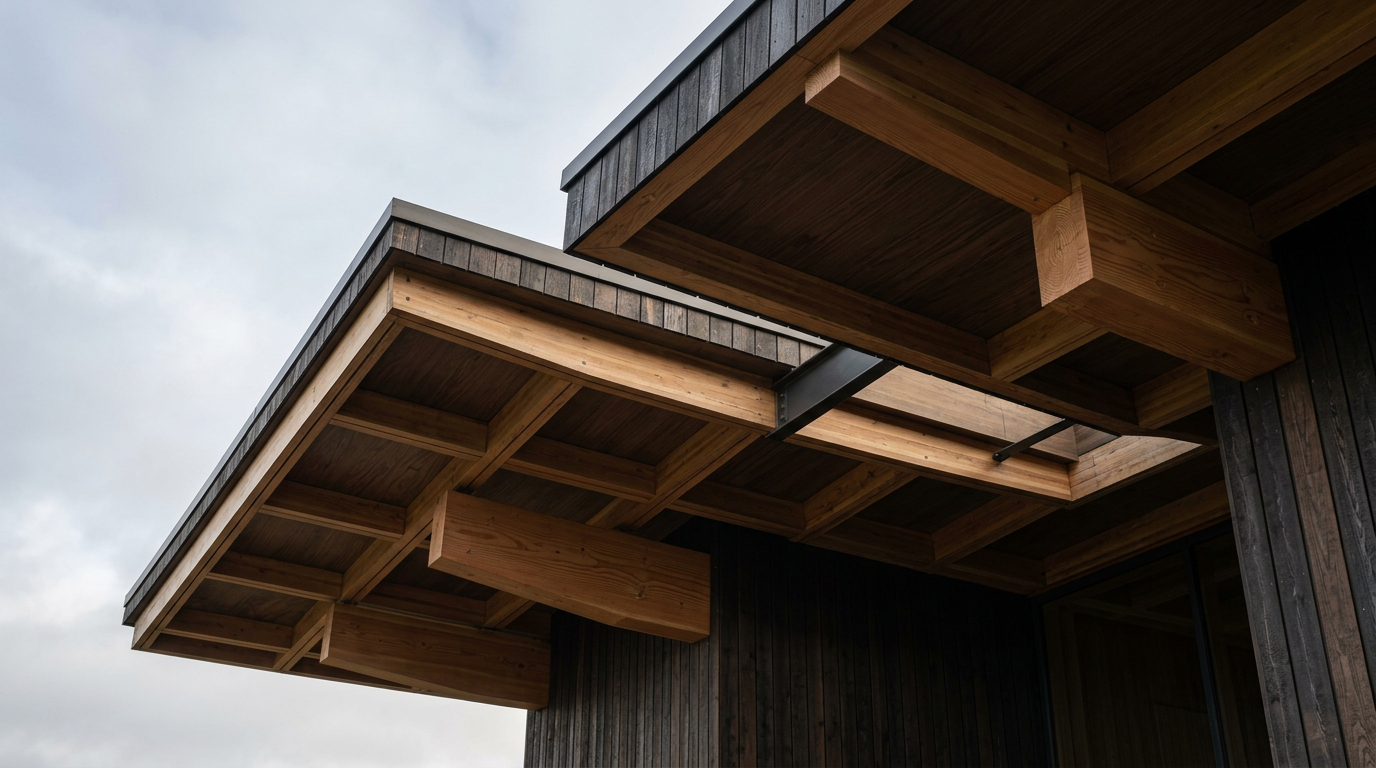
1. Window Louvers — The adjustable horizontal slats of Villa E-1027's windows control sunlight penetration and airflow. This allows for precise climate modulation throughout the seasons, protecting interiors from summer heat and maximizing winter light. 2. Stain Glass Motif — Inside the Chapelle du Rosaire, specific motifs on the stained glass, like the cactus flower and fish, transmit filtered, saturated light onto the white walls. These designs shift in intensity with the sun's daily and seasonal arc. 3. Concrete Threshold — At Château La Coste, a pronounced concrete threshold marks the transition into Tadao Ando's Art Centre. Its honed surface contrasts with the surrounding rougher landscape, guiding the visitor's passage. 4. Interior Lightwell — A vertical lightwell within Villa E-1027 introduces indirect light into deeper interior spaces. This design mitigates direct solar gain while ensuring ambient illumination, adapting to the strong Mediterranean sun. 5. Polished Travertine Floor — The main floor of the Chapelle du Rosaire, made of polished travertine, reflects the colored light from the stained-glass windows. This interaction changes the chapel's interior atmosphere throughout the day and year.
Villa E-1027: Eileen Gray's Vision of the 'Minimum Dwelling'
Villa E-1027, completed in 1929, is a modernist landmark located in Roquebrune-Cap-Martin on the Côte d'Azur. Designed by Irish architect and designer Eileen Gray, in collaboration with Jean Badovici, the villa embodies Gray's concept of the "minimum dwelling," prioritizing functional space and ergonomic design. Its name, E-1027, is a coded reference to Gray (E for Eileen, 10 for Jean, 2 for Badovici, 7 for Gray). The structure is raised on pilotis, a key element of modernist architecture, allowing air circulation and preserving the natural topography. The exterior features white-rendered walls and horizontal windows, offering views of the Mediterranean. The house is carefully oriented to mitigate the strong regional sun, utilizing adjustable external blinds and deep overhangs to manage solar gain. The design facilitates seasonal liveability through these elements, offering cool, shaded interiors in summer and open, sun-drenched spaces in cooler months.
Visitors should book guided tours well in advance, especially during peak summer season, as access is restricted to preserve the delicate structure and its original furnishings. The property is part of the Cap Moderne site, which also includes Le Corbusier's Cabanon.
Chapelle du Rosaire de Vence: Matisse's Artistic Synthesis
The Chapelle du Rosaire, often referred to as the "Matisse Chapel," is a Roman Catholic chapel in Vence, France, consecrated in 1951. It stands as a singular project where Henri Matisse undertook the complete architectural and artistic design. Matisse considered it his masterpiece. The chapel's white-tiled exterior and bell tower contrast with the vibrant interior. Matisse designed the stained-glass windows, wall murals, altar, crucifix, and vestments. The interplay of light through the yellow, blue, and green stained-glass panels casts shifting patterns onto the white ceramic tile walls. These patterns are dynamic, transforming the internal experience throughout the day and with seasonal light variations. The deep blue glass, representing the Mediterranean sky, and the vibrant yellow, evoking the sun, create a profound sensory experience. This design allows the chapel to feel both intimate and expansive, adapting to both intense summer light and softer winter sun.
The chapel is a UNESCO World Heritage site. It is advisable to check specific opening hours, as they vary seasonally and can be limited due to its status as an active religious site. Photography is often restricted inside the chapel.
Château La Coste: A Landscape of Art and Architecture
Château La Coste is a 500-acre estate located near Aix-en-Provence, functioning as a vineyard, an open-air art park, and a showcase for contemporary architecture. It features installations and pavilions by internationally renowned artists and architects. Artists represented include Louise Bourgeois, Jean-Michel Othoniel, and Tadao Ando. Architectural contributions include structures by Tadao Ando, Renzo Piano, Frank Gehry, and Jean Nouvel. Ando's Art Centre, characterized by its monolithic concrete and reflecting pool, serves as a central hub. The Pavillon de Musique by Frank Gehry, composed of zinc and timber, exemplifies a lighter, more organic form. These structures are integrated into the Provençal landscape of vineyards, olive groves, and forests. The deliberate placement of each artwork and building encourages exploration across the varied topography. Seasonal liveability is addressed through the thoughtful use of materials that respond to the climate, such as thick concrete walls for thermal mass in summer and strategically placed openings for natural ventilation. The landscaping also changes with the seasons, offering different aesthetic experiences throughout the year.
Château La Coste is a privately owned estate. Tickets are required for access to the art park and various buildings. Comfortable walking shoes are recommended due to the extensive grounds.
ARCHITECTT Note
The deliberate design of these sites for year-round engagement, through material choice and careful orientation, underscores the importance of considering seasonal rhythms in architectural practice. We should integrate dynamic light and thermal management strategies into our initial concept sketches.
Closing
These three sites in the South of France provide a compelling case study of how architecture and art can shape and respond to their environment. From Eileen Gray's meticulous functionalism at Villa E-1027 to Henri Matisse's total artistic immersion at the Chapelle du Rosaire and the expansive contemporary vision of Château La Coste, each destination offers a distinct perspective. They illustrate the enduring value of considered design in creating spaces that are not only aesthetically rich but also deeply integrated with their climatic and cultural contexts. Visiting these locations reveals the tangible impact of artistic and architectural intent on the user experience, transforming a simple journey into an educational traverse through modern design history.
FAQ
Can you visit Villa E-1027 without a guided tour?
No, access to Villa E-1027 is primarily through guided tours. This measure helps protect the integrity of the historic structure and its original furnishings, ensuring its preservation for future visitors.
What makes the Chapelle du Rosaire unique?
The Chapelle du Rosaire is unique because Henri Matisse designed every element, from the architecture and stained glass to the murals and liturgical vestments. This comprehensive artistic control makes it a complete, immersive artwork.
Are the art installations at Château La Coste permanent?
Many of the art and architectural installations at Château La Coste are permanent fixtures integrated into the landscape. The estate occasionally adds new works, ensuring a continually evolving experience for visitors.
Is Château La Coste suitable for families?
Château La Coste is generally suitable for families, offering extensive outdoor spaces and art installations that can be engaging for various ages. However, some areas involve significant walking, so comfortable footwear is advisable.
How far apart are these three locations?
Villa E-1027, Chapelle du Rosaire, and Château La Coste are located within the South of France and can be visited within a few days' travel. They are all situated in Provence and the Côte d'Azur, making them accessible by car.", tags=[
In Short
Visit Villa E-1027, Chapelle du Rosaire, and Château La Coste for a focused art and architecture tour in the South of France.
Key takeaways
- —Eileen Gray's Villa E-1027 exemplifies modernist functionalism and ergonomic design, focusing on the "minimum dwelling" concept.
- —Henri Matisse's Chapelle du Rosaire is a complete artistic masterpiece where Matisse designed every architectural and artistic element.
- —Château La Coste is a dynamic estate blending contemporary art installations and architecture within a working vineyard.
- —All three sites demonstrate careful consideration of seasonal liveability through design, material, and orientation.
- —These locations are accessible for public visitation and offer unique insights into modern and contemporary art and architecture in the South of France.
Sources
- Villa E-1027, completed in 1929, is a modernist landmark located in Roquebrune-Cap-Martin on the Côte d'Azur.https://en.wikipedia.org/wiki/Villa_E-1027
- Designed by Irish architect and designer Eileen Gray, in collaboration with Jean Badovici, the villa embodies Gray's concept of the "minimum dwelling", prioritizing functional space and ergonomic design.https://capmoderne.com/e-1027/
- The Chapelle du Rosaire, often referred to as the "Matisse Chapel," is a Roman Catholic chapel in Vence, France, consecrated in 1951.https://en.wikipedia.org/wiki/Chapelle_du_Rosaire_de_Vence
- Matisse designed the stained-glass windows, wall murals, altar, crucifix, and vestments.https://chapellematisse.com/en/matisse-chapel-vence/
- Château La Coste is a 500-acre estate located near Aix-en-Provence, functioning as a vineyard, an open-air art park, and a showcase for contemporary architecture.https://chateau-la-coste.com/en/
- Architectural contributions include structures by Tadao Ando, Renzo Piano, Frank Gehry, and Jean Nouvel.https://chateau-la-coste.com/en/architecture/
Topics
Continue reading