
Stories of Place
Museum of Modern Literature: Choreographing Darkness and Light
David Chipperfield Architects’ Marbach museum shapes the visitor
The Museum of Modern Literature in Marbach am Neckar, designed by David Chipperfield Architects, is notable for its deliberate use of contrasting light and darkness: windowless galleries for artifact preservation and naturally lit circulation spaces that choreograph the visitor's journey.
The Museum of Modern Literature in Marbach am Neckar, Germany, designed by David Chipperfield Architects, choreographs the visitor's journey through contrasting zones of light and darkness. While its exhibition spaces remain purposefully windowless to preserve delicate artifacts, the architectural design prioritizes the interplay of natural light in all circulation areas, transforming the movement between galleries into an integral part of the visitor experience. This strategy defines the building's interaction with its site and its function.
In Short
- The Museum of Modern Literature in Marbach am Neckar was completed in 2006.
- Exhibition galleries are intentionally dark to protect manuscripts.
- Circulation spaces utilize natural daylight as a guiding and contemplative element.
- The building's material palette emphasizes dark, tactile surfaces like basalt and cedar.
Picture Notes
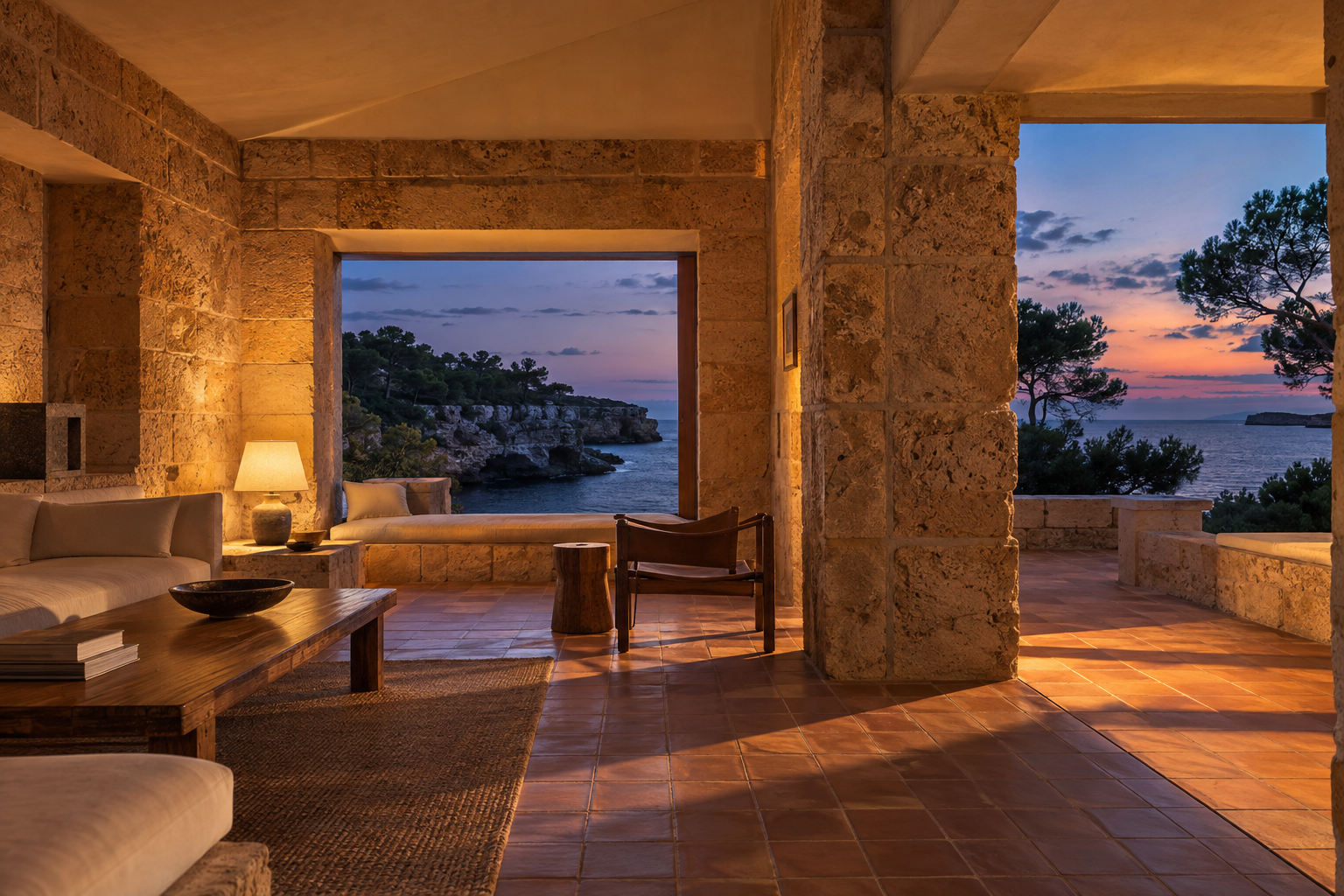
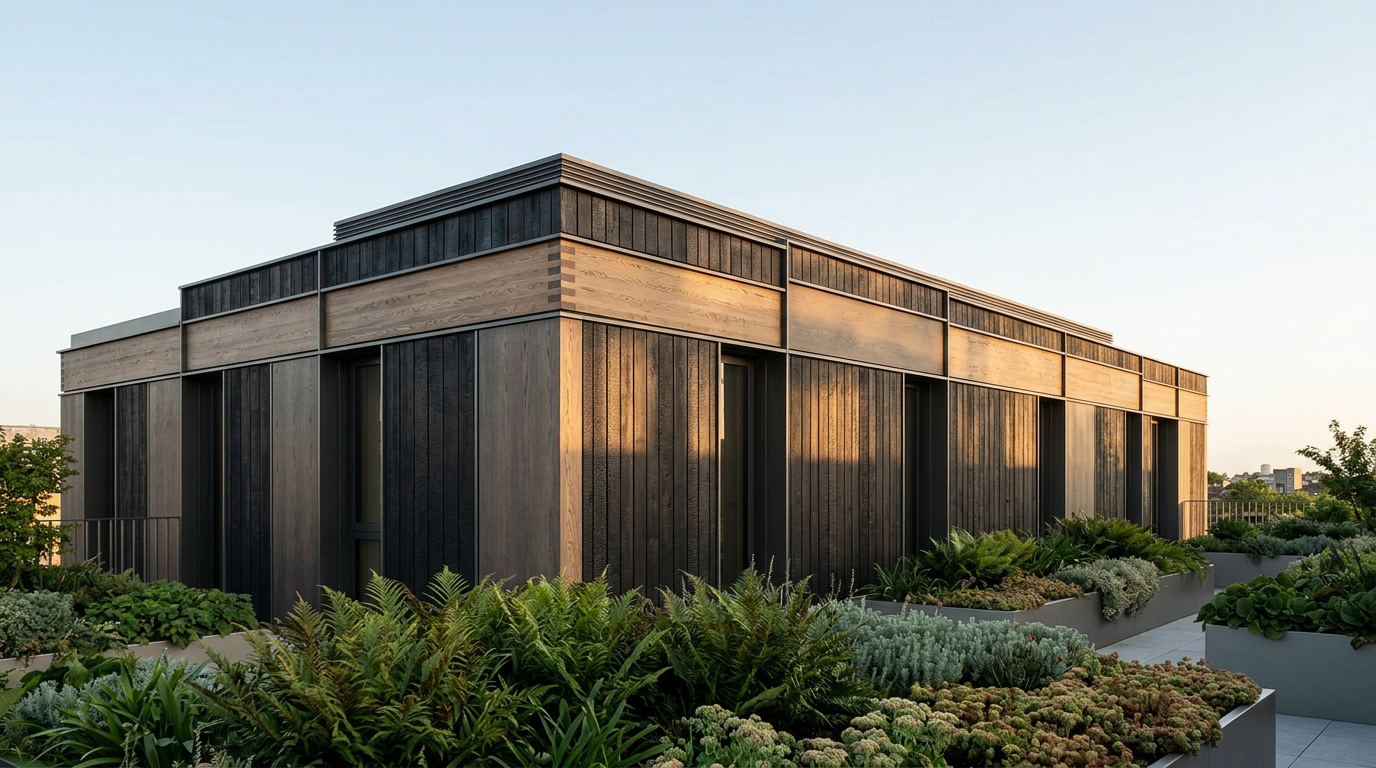
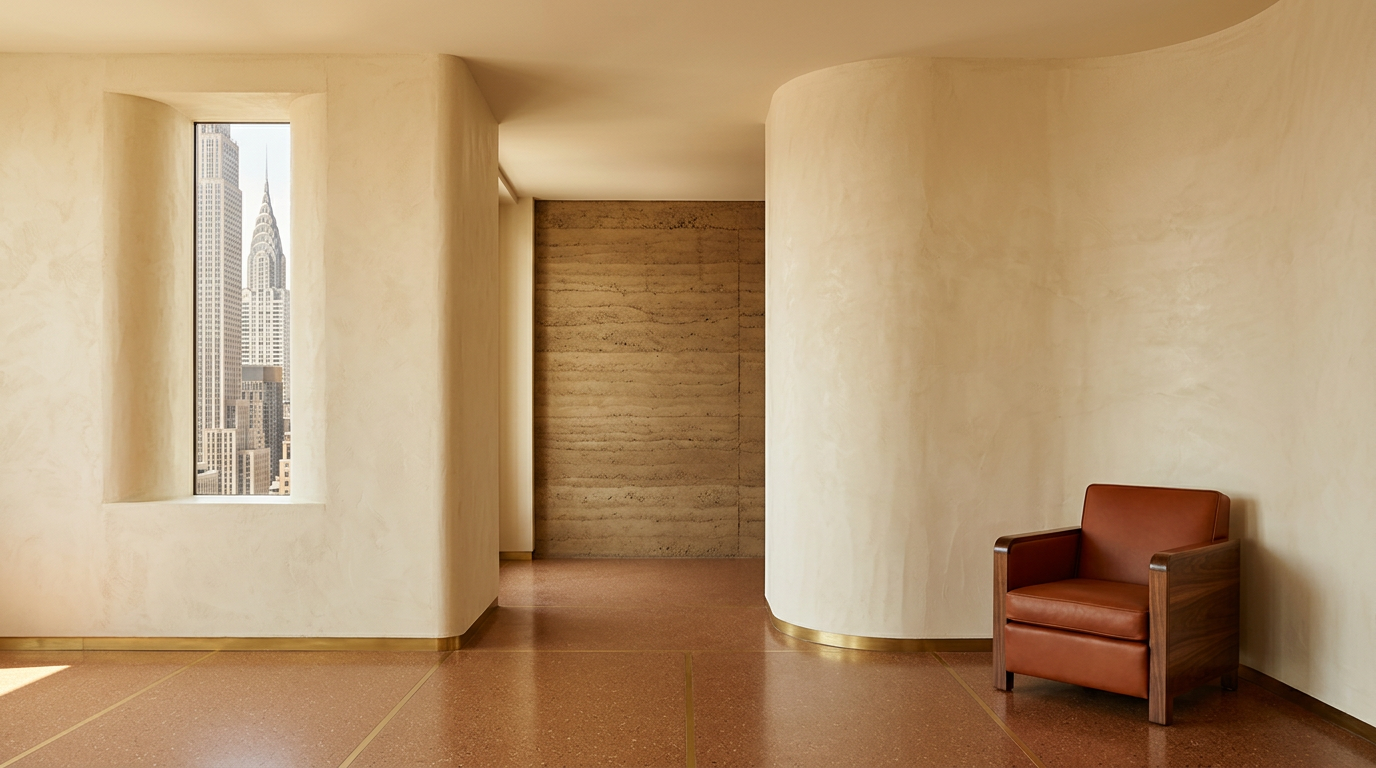
1. Entry Portal — The primary entrance features deep-set anodised black aluminium doors. Their recessed placement mitigates direct light entry, creating a subtle transition. 2. Basalt Flooring — Polished black basalt tiles pave the main circulation paths. Their honed surface reflects ambient light, extending the perceived depth of the corridors. 3. Charred Cedar Fin — A shou-sugi-ban charred cedar fin protrudes from an exterior wall. Its deep black texture contrasts with the smoother stone surfaces, adding visual interest. 4. Shadow Line — A precise shadow line is cast by a cantilevered roof edge against a facade. This deliberate detail articulates the massing under specific daylight conditions. 5. Recessed Window Reveal — A deep window reveal, framed in blackened steel, carefully channels diffuse light into a transitional space. The dark framing minimizes glare and enhances visual depth.
A Chiaroscuro Journey
David Chipperfield Architects conceived the Museum of Modern Literature as a sequence of experiences defined by light. Completed in 2006, the building houses invaluable literary archives, necessitating stringent environmental controls. The decision to make the primary exhibition galleries windowless was pragmatic, protecting the fragile manuscripts from damaging UV exposure. This constraint became a central design driver, prompting a deliberate choreography of light in the intervening spaces.
The exterior forms, clad in pale Jura limestone, present a calm, almost monolithic presence on the German landscape. However, the interior circulation unfolds through a palette of dark, considered materials. Basalt flooring, anodised black aluminium framing, and details of blackened steel guide visitors. These darker surfaces absorb rather than reflect light, creating a hushed atmosphere that prepares the eye for the material presented within the dark galleries. The path through the museum, from the sunlit entry courtyard to the shaded corridors, becomes a journey through carefully modulated luminescence.
The Deliberate Choreography of Daylight
The most striking aspect of the museum's design is its precise engagement with natural light in all non-gallery areas. The design employs a strategy where daylight becomes a navigational tool and an experiential element. Visitors traverse sunlit courtyards, then move into shaded transition zones, and finally into the light-sealed exhibition rooms. This sequence of reveal and enclosure defines the architectural rhythm.
Large, deeply recessed windows in the circulation paths frame specific views of the surrounding Neckar valley and the historic Schillerhöhe park. These apertures are not mere openings; they are carefully dimensioned and positioned to control the intensity and direction of incoming light. The deep reveals, often lined with dark materials, prevent direct sun penetration while allowing ambient light to flood the corridors. This creates pockets of contemplation, where visitors can pause and recalibrate their vision before entering or after leaving the intense, controlled environment of the galleries. The play of light and shadow on the dark basalt floors and charred cedar elements creates a dynamic spatial experience, despite the static nature of the exhibition.
Engineered Stone and Materiality
The exterior of the museum primarily utilizes Jura limestone, a regional stone. This material choice anchors the contemporary structure within its historic context. However, the interior and select exterior details introduce an 'engineered stone' aesthetic through the precise application of dark materials. The use of basalt for flooring throughout the public areas provides a durable, elegant surface that grounds the interior. Basalt, a volcanic rock, offers a dense, fine-grained texture that is both visually rich and hard-wearing.
Complementing the stone, elements of anodised black aluminium and blackened steel feature prominently in window frames, door surrounds, and handrails. These materials are treated to achieve a consistent dark finish, contributing to the overall sense of restraint and precision. The facade also integrates details of shou-sugi-ban charred cedar. This traditional Japanese technique of charring wood creates a durable, weather-resistant, and visually distinct black finish. The texture of the charred cedar provides a tactile counterpoint to the smooth stone and metal surfaces, enriching the material narrative of the building. These engineered and treated materials emphasize permanence and a rigorous attention to detail.
ARCHITECTT Note
The Museum of Modern Literature demonstrates how architectural constraints can become generative design opportunities, particularly in the handling of light. The necessity for dark exhibition spaces resulted in a profound exploration of natural light in circulation, shaping a deliberate sensory journey. Consider how a precise study of light and shadow can define programmatic zones within your next studio project, even when seemingly contradictory spatial requirements are present.
Closing
The Museum of Modern Literature is more than a repository for literary artifacts; it is an architectural narrative told through the measured presence and absence of light. Chipperfield's design embraces the inherent challenge of protecting sensitive collections by transforming transitional zones into spaces of visual respite and contemplation. The careful choice of dark, tactile materials enhances this experience, guiding the eye and mind through the museum’s carefully calibrated sequence. The building stands as an example of how environmental requirements can drive a profound and responsive architectural expression, where the passage between destinations becomes as significant as the destinations themselves.
FAQ
What is the primary function of the Museum of Modern Literature?
The Museum of Modern Literature in Marbach am Neckar serves as a primary repository for original manuscripts and archives of 20th-century German literature, offering exhibition spaces and research facilities.
Who designed the Museum of Modern Literature?
The museum was designed by the British architectural firm David Chipperfield Architects. The project was led by David Chipperfield himself.
Why are the exhibition galleries at Marbach windowless?
The exhibition galleries are windowless to protect the sensitive literary manuscripts from direct sunlight, which causes deterioration due to UV radiation and fluctuating environmental conditions.
When was the Museum of Modern Literature completed?
The Museum of Modern Literature was completed and opened to the public in 2006, after a design and construction period.
What materials characterize the museum's interior?
The interior of the museum is characterized by dark, tactile materials such as polished basalt flooring, anodised black aluminium window frames, and blackened steel details. Some areas also feature shou-sugi-ban charred cedar.
In Short
The Museum of Modern Literature in Marbach choreographs visitor experience through the strategic use of darkness in galleries and natural light in circulation areas.
Key takeaways
- —The Museum of Modern Literature uses light and shadow to define circulation.
- —Galleries are windowless to protect sensitive artifacts.
- —Dark, tactile materials enhance the sensory experience.
- —David Chipperfield Architects designed the museum, completed in 2006.
Sources
- The Museum of Modern Literature in Marbach am Neckar, Germany, designed by David Chipperfield Architects, choreographs the visitor's journey through contrasting zones of light and darkness.https://en.wikipedia.org/wiki/Literaturmuseum_der_Moderne
- Completed in 2006, the building houses invaluable literary archives, necessitating stringent environmental controls.https://en.wikipedia.org/wiki/Literaturmuseum_der_Moderne
- The exterior forms, clad in pale Jura limestone, present a calm, almost monolithic presence on the German landscape.https://www.chipperfield.com/projects/museum-of-modern-literature
- This traditional Japanese technique of charring wood creates a durable, weather-resistant, and visually distinct black finish.https://en.wikipedia.org/wiki/Yakisugi
Topics
Continue reading