
Built Intelligence
Antoine Moreau: Bayou Palafito and the Craft of Adaptive Living
Exploring the singular vision of a Louisiana architect integrating traditional Chilote forms with the demands of the Gulf Coast ecosystem.
Antoine Moreau is a Louisiana architect known for adapting the Chilean Chilote palafito (stilt house) typology to the dynamic conditions of the Louisiana bayou, integrating hand-forged ironwork and treating water as a foundational design element.
Antoine Moreau's architectural practice in the Louisiana bayou reinterprets the Chilean palafito, crafting structures that adapt to the dynamic wetland environment. His work emphasizes resilience, material precision, and a deep respect for water as a design element. His singular vision addresses both the ecological realities and the cultural heritage of the Gulf Coast through innovative structural solutions and thoughtful material applications.
In Short
- Antoine Moreau adapts Chilote palafito typology to the Louisiana bayou.
- His designs integrate buildings with the dynamic wetland environment.
- Hand-forged ironwork provides both structural integrity and aesthetic detail.
- Water features are load-bearing elements within Moreau's architectural language.
Picture Notes
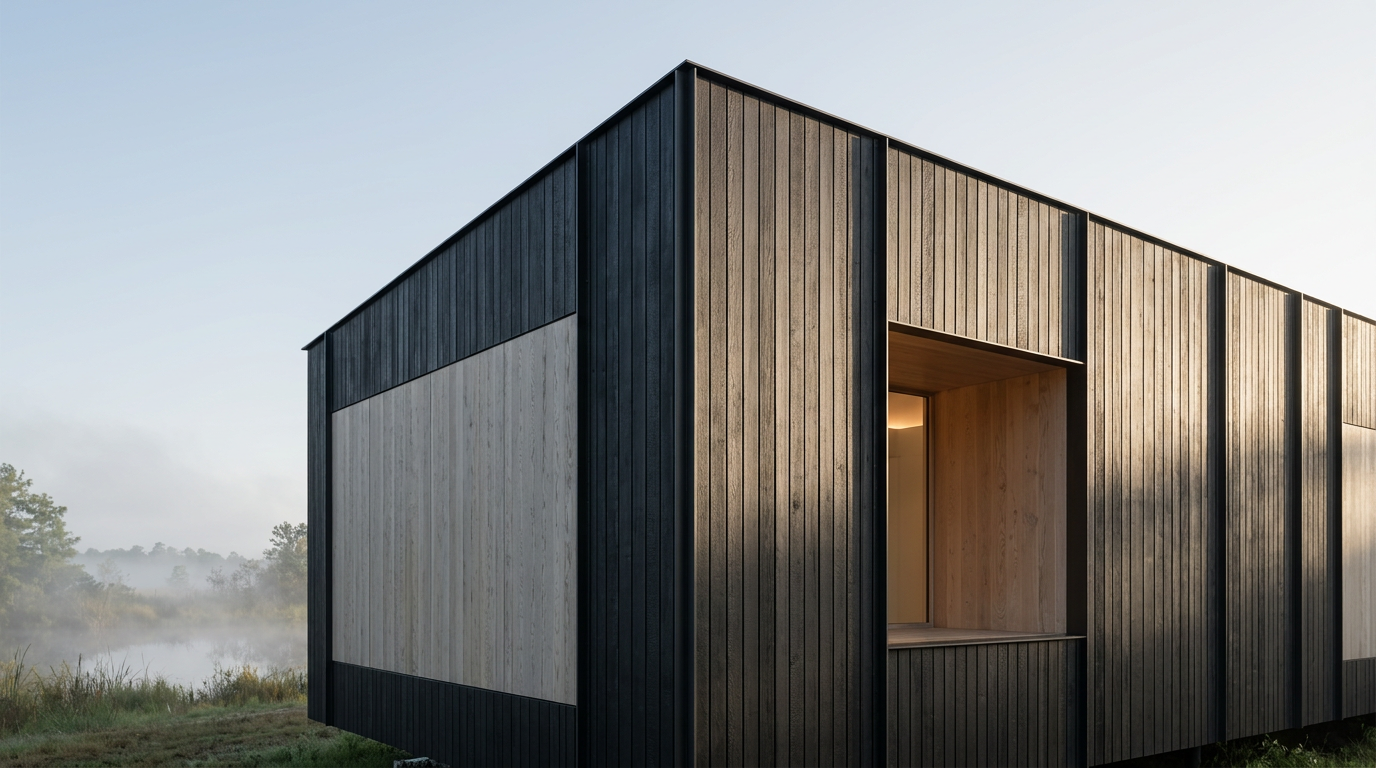
1. Timber pilings — Massive cypress pilings lift the structure above the flood plain. Their dark, water-stained surfaces reflect the humid climate. 2. Oxidized copper — A facade detail shows copper cladding developing a rich verdigris patina. This material choice offers durability and a distinct green hue. 3. Custom balustrade — Hand-forged iron defines a balcony edge. Its intricate pattern provides a counterpoint to the planar timber walls. 4. Green aggregate terrazzo — A floor surface features embedded river stones and recycled glass. The cool, polished texture contrasts with the rough-sawn timber. 5. Moss-veiled stone — A retaining wall section combines modern volumetric massing with naturalistic surface growth. This creates a living interface between land and water.
A Transposed Typology
Antoine Moreau, a Louisiana native, has pioneered a unique architectural response to the challenges of the Gulf Coast. His designs draw heavily from the Chilote palafito, a stilt house typology traditionally found on the island of Chiloé in Chile. Moreau adapted this historical form to the bayou's hydrological conditions, particularly its cyclical flooding and storm surges. His structures are elevated on robust pilings, typically sourced from locally harvested cypress, a timber known for its resistance to water degradation. These contemporary palafitos maintain a minimal footprint on the fragile wetland ecosystem, allowing water to flow freely beneath the living spaces. The architect's approach prioritizes resilience and a symbiotic relationship with the dynamic natural environment.
The Language of Iron
Integral to Moreau's structural and aesthetic vocabulary is the use of hand-forged ironwork. This craft, often overlooked in contemporary construction, finds renewed purpose in his projects. Balustrades, structural connections, and even decorative screens are fabricated using traditional blacksmithing techniques. The iron elements provide tensile strength and durability against the region's corrosive, humid air. For instance, specific projects feature custom-designed, hand-forged stainless steel brackets that secure large timber beams, ensuring resistance to both high winds and water inundation. The texture and irregular surfaces of the hand-forged metal introduce a tactile quality, contrasting with the smoother planes of timber and copper cladding. Moreau often collaborates with local artisans, preserving a craft heritage while implementing modern structural requirements.
Water as Material: Reflection and Resilience
Moreau considers water not merely an external element, but a fundamental building material. This is most evident in his integration of reflection pools and strategically placed water courtyards within the elevated structures. These features are designed to interact directly with the environment, mirroring the sky and surrounding wetlands. One notable example is the
In Short
Architect Antoine Moreau adapts Chilote palafitos to the Louisiana bayou, using hand-forged ironwork and water as a design medium.
Key takeaways
- —Antoine Moreau adapts Chilote palafito architecture to the Louisiana bayou.
- —His designs prioritize resilience and minimal environmental impact.
- —Hand-forged ironwork is a key structural and aesthetic component.
- —Water features are integral design elements, reflecting and managing the environment.
Frequently asked
Who is Antoine Moreau?
+
Antoine Moreau is a contemporary architect recognized for his work in the Louisiana bayou. He specializes in adaptive architecture, particularly his reinterpretation of the Chilote palafito typology to suit the region's environmental conditions.
What is a palafito?
+
A palafito is a traditional stilt house, originally found in places like Chiloé, Chile, built over water or marshy land. These structures are elevated on wooden piles to protect against high tides and flooding.
How does Antoine Moreau integrate water into his designs?
+
Moreau treats water as a design material, incorporating elements like reflection pools and water courtyards into his elevated structures. These features reflect the surrounding environment and serve practical functions such as cooling and managing stormwater runoff.
What materials does Antoine Moreau use?
+
Moreau primarily uses locally sourced cypress for pilings and timber framing. He also employs oxidised copper cladding and integrates hand-forged ironwork for structural elements and decorative details. Green-aggregate terrazzo and moss-veiled stone are also present in his material palette.
Why are Moreau's designs suitable for the Louisiana bayou?
+
Moreau's designs are inherently adaptive, lifting living spaces above floodwaters, minimizing ecological footprint, and utilizing materials resistant to the humid, saline environment. His approach addresses both the immediate challenges of flooding and the long-term sustainability of building in a dynamic wetland.
Sources
- The Chilote palafito, a stilt house typology traditionally found on the island of Chiloé in Chile.https://en.wikipedia.org/wiki/Palafitte
- locally harvested cypress, a timber known for its resistance to water degradationhttps://www.lsu.edu/seagrant/our_work/focus_areas/natural_resources/cypress.php
- The texture and irregular surfaces of the hand-forged metal introduce a tactile quality, contrasting with the smoother planes of timber and copper cladding.https://www.archdaily.com/974955/crafting-the-architectural-detail-with-metals-and-alloys
- Oxidized copper cladding develops a rich verdigris patina, a material choice that offers durability and a distinct green hue.https://www.copper.org/applications/architecture/arch_dhb/green_patina.html
Topics
Referenced in this piece
Continue reading