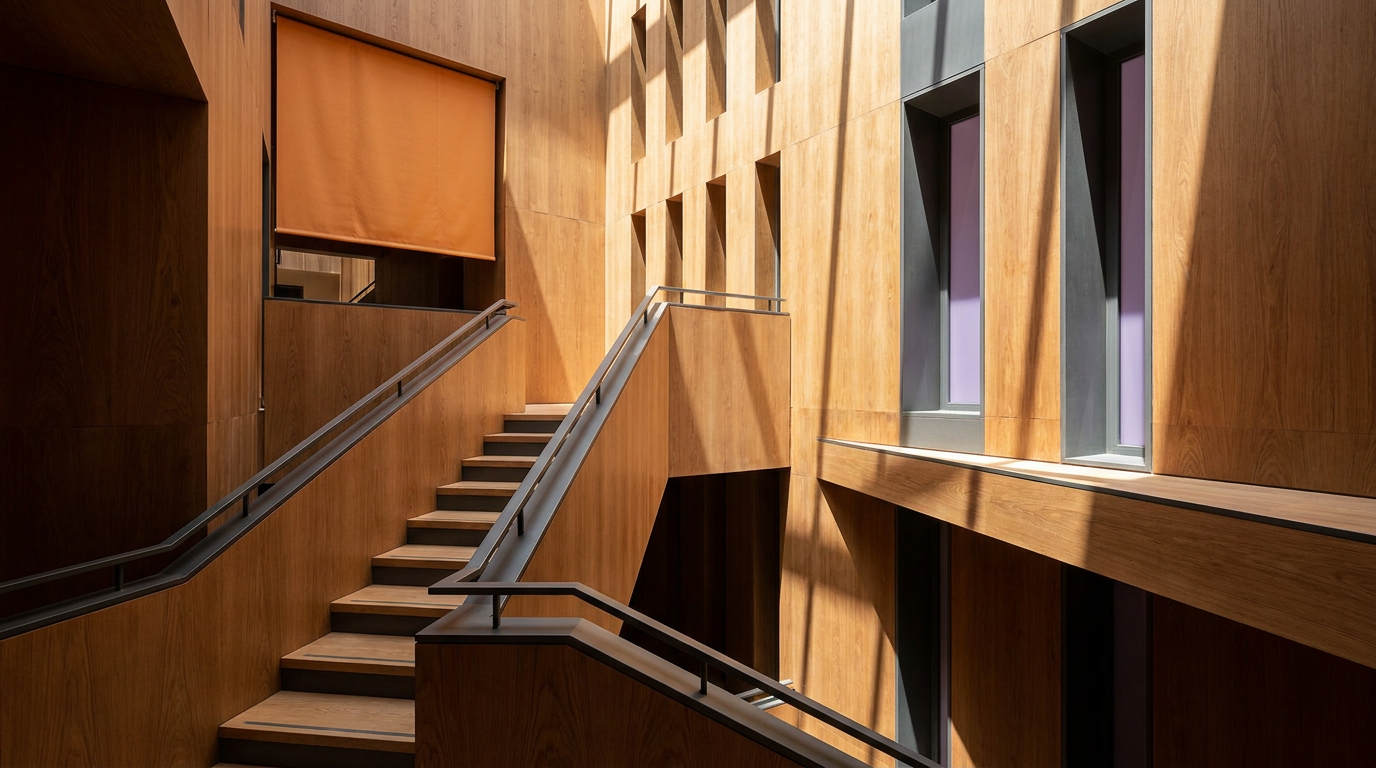

Built Intelligence
Neural Logic: The Architecture of Adaptive Computation
Exploring the integration of neural networks into architectural design processes and building systems.
Neural logic in architecture refers to the application of neural networks to design processes and building systems, enabling adaptive computational design, material optimization, and real-time environmental response.
The integration of neural networks within architectural practice signifies a shift towards adaptive computational design, influencing building kinematics, material expression, and environmental performance. These systems process complex data sets to identify patterns and generate specific structural and programmatic outcomes, moving beyond traditional parametric modeling to imbue structures with a capacity for intelligent response. This approach allows architecture to evolve, optimize, and interact with its occupants and context in unprecedented ways.
In Short
- Neural networks enable generative design solutions beyond conventional parametric methods.
- They facilitate real-time adaptation in building performance and environmental response.
- Neural logic integrates sensor data for dynamic building optimization.
- This computational approach refines material usage and structural efficiency.
Generative Design and Formal Exploration
Neural networks offer architects tools for generative design, allowing the exploration of formal compositions derived from complex data inputs. Early applications, such as those demonstrated by researchers at ETH Zurich, have utilized neural networks to create novel structural typologies based on specific performance criteria. These systems can interpret design constraints and objectives, such as solar gain optimization or structural load distribution, to propose forms that would be difficult to derive through manual iteration or simpler algorithmic models. The network learns from existing architectural precedents or simulated data, developing an understanding of relationships between form, material, and performance. This process moves beyond mere optimization, enabling the discovery of unforeseen aesthetic and functional combinations.
Adaptive Systems and Environmental Response
The application of neural logic extends to dynamic building systems that adapt in real-time to environmental conditions and occupant needs. Buildings equipped with neural network-driven environmental controls can adjust parameters such as natural ventilation, daylighting, and thermal comfort based on live sensor data. For instance, facades responsive to solar paths and wind directions can dynamically reconfigure, optimizing internal conditions while minimizing energy consumption. This adaptive capacity contrasts with static, predetermined building responses, offering a more nuanced interaction with the shifting external environment. The neural network's ability to learn and predict future conditions allows for proactive adjustments, enhancing both occupant experience and operational efficiency.
Material Optimization and Structural Intelligence
Neural networks contribute to material optimization and the development of structurally intelligent systems. By analyzing vast datasets of material properties and structural behaviors, these networks can identify optimal material combinations and structural configurations for specific performance goals. Research at institutions like MIT has explored neural networks for the design of lightweight, high-performance structures, where material distribution and internal geometries are precisely tailored to resist loads with minimal mass. This reduces waste and enhances a building's overall sustainability. Furthermore, neural networks can monitor structural integrity over time, interpreting sensor data to detect anomalies or predict material fatigue, allowing for predictive maintenance and extended structural lifespans.
Human-Computer Interaction in Design
The integration of neural networks modifies the human-computer interaction within the design process. Architects engage with these tools not as mere calculators but as intelligent collaborators. The network provides design alternatives or performance insights, which the architect then evaluates and refines. This iterative dialogue allows for a symbiotic relationship where human creativity is augmented by computational power. Projects like those featured in publications by the Architectural Association School of Architecture explore interfaces where designers train neural networks using sketching and modeling, guiding the network's learning process. This collaborative model redefines architectural authorship, moving towards a partnership between human intuition and artificial intelligence.
ARCHITECTT Note
The discourse surrounding neural networks in architecture often oscillates between utopian potential and dystopian apprehension. It is essential to recognize these technologies as advanced tools that extend the architect's agency rather than diminish it. The true innovation lies in the capacity to address complexity and achieve performance metrics previously unattainable, while maintaining a critical perspective on their ethical implications and societal impact.
Closing
Neural logic is transforming architectural practice by introducing adaptive computation into design, construction, and operation. This paradigm enables buildings to become more responsive, efficient, and intelligent, moving from static objects to dynamic systems. The ongoing development of neural network applications promises continued evolution in how architects conceive, realize, and manage the built environment, fostering a future where structures learn and adapt.
FAQ
What are neural networks in the context of architecture?
Neural networks in architecture are computational models inspired by the human brain, used for tasks like generative design, optimization, and real-time environmental control in buildings. They process data to recognize patterns and make predictions or generate outputs.
How do neural networks contribute to sustainable architecture?
Neural networks enhance sustainability by optimizing material use, improving energy efficiency through adaptive environmental controls, and enabling predictive maintenance to extend building lifespans. They aid in designing structures that respond dynamically to their climate.
Can neural networks design entire buildings autonomously?
While neural networks can generate complex design options and optimize various building elements, they serve as advanced tools to augment human designers. The architect's expertise in aesthetics, context, and human experience remains central to the design process.
What is the role of data in neural architectural design?
Data is fundamental. Neural networks learn from vast datasets, which can include architectural precedents, environmental sensor readings, material properties, and structural performance metrics. The quality and relevance of this data directly influence the network's output.
How do neural networks affect the aesthetics of buildings?
Neural networks can explore and generate novel aesthetic forms that emerge from performance-driven criteria. They can produce complex geometries and material patterns that may challenge conventional architectural aesthetics, pushing boundaries while remaining structurally and environmentally sound.
What are the challenges in implementing neural networks in architectural projects?
Challenges include the need for extensive and high-quality data, the computational resources required for training complex models, the interpretation of network outputs, and the integration of these tools into existing architectural workflows. Ethical considerations regarding bias in data and autonomy in design also exist.
In Short
Neural networks are transforming architecture by enabling adaptive computational design, generative forms, and intelligent building systems that respond dynamically to environment and occupants.
Key takeaways
- —Neural networks facilitate generative design and formal exploration.
- —They enable adaptive building systems and dynamic environmental responses.
- —Neural logic optimizes material use and enhances structural intelligence.
- —The technology fosters a collaborative human-computer design process.
Sources
- Early applications, such as those demonstrated by researchers at ETH Zurich, have utilized neural networks to create novel structural typologies based on specific performance criteria.https://www.arch.ethz.ch/y-research/research.html
- Research at institutions like MIT has explored neural networks for the design of lightweight, high-performance structures, where material distribution and internal geometries are precisely tailored to resist loads with minimal mass.https://adsknews.autodesk.com/news/mit-researchers-ai-optimizes-architectural-structures/
- Projects like those featured in publications by the Architectural Association School of Architecture explore interfaces where designers train neural networks using sketching and modeling, guiding the network's learning process.https://www.aaschool.ac.uk/research/publications
Topics
Continue reading