
Light & Atmosphere
Cuban Country Estates: Vaulted Brickwork and Timber Echoes
Exploring the enduring design principles of Cuban colonial country estates, from Roman influences to contemporary material dialogues.
Cuban colonial country estates integrated classical Roman and Greek design principles with tropical adaptations, notably through vaulted brickwork, offering both structural integrity and thermal comfort.
Cuban colonial country estates represent a distinct architectural typology, integrating classical Roman and Greek design principles with pragmatic adaptations for the Caribbean climate. These structures often feature vaulted brickwork, a building technique that provided both structural integrity and thermal mass, creating cool interiors in a tropical environment. The enduring relevance of these design strategies can be observed through their influence on contemporary interpretations, where modern materials like precision timber joinery are employed to echo historical forms and functions.
In Short
- Cuban country estates adapted classical design to tropical conditions.
- Vaulted brickwork, often Catalan vaults, provided structural and thermal benefits.
- The typology exhibits a unique fusion of Mediterranean and Caribbean architectural languages.
- Contemporary design can reinterpret these forms with materials like precision timber.
Picture Notes
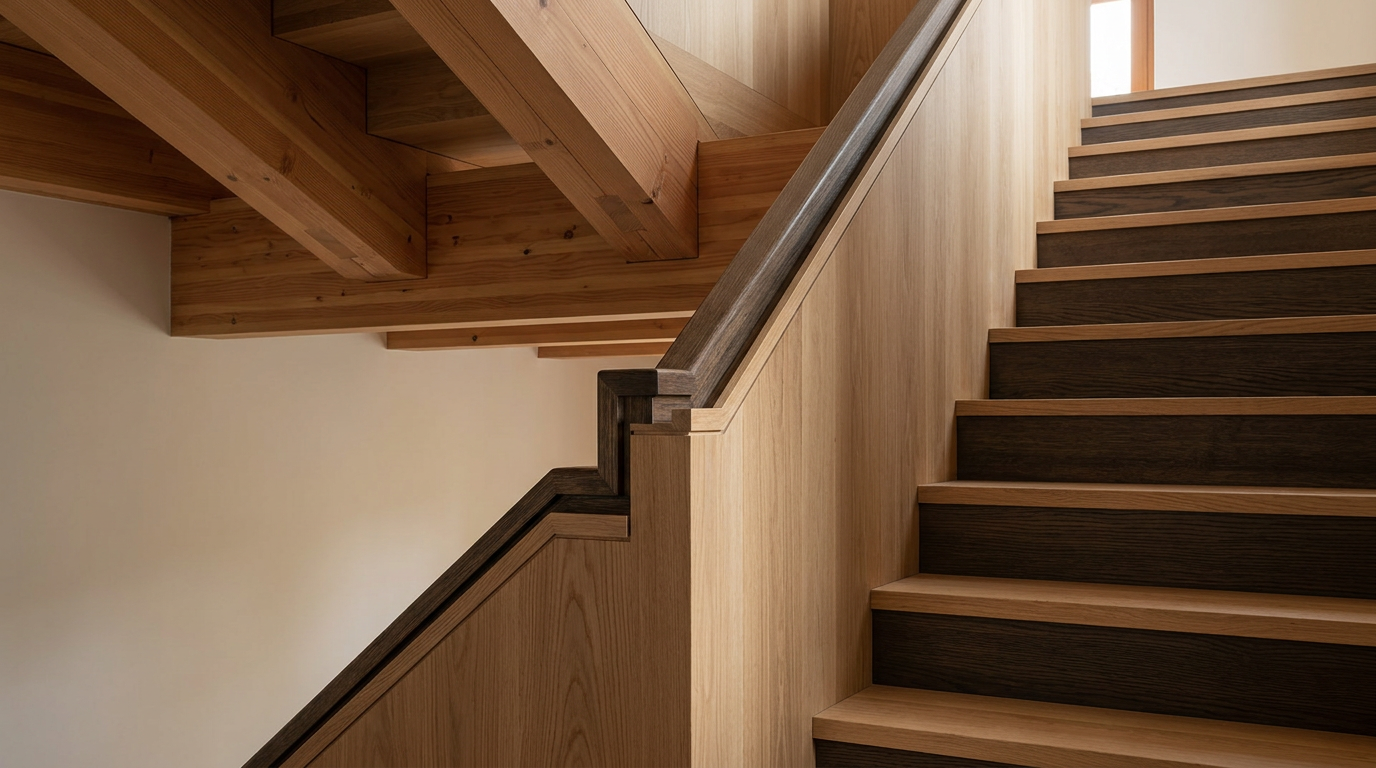
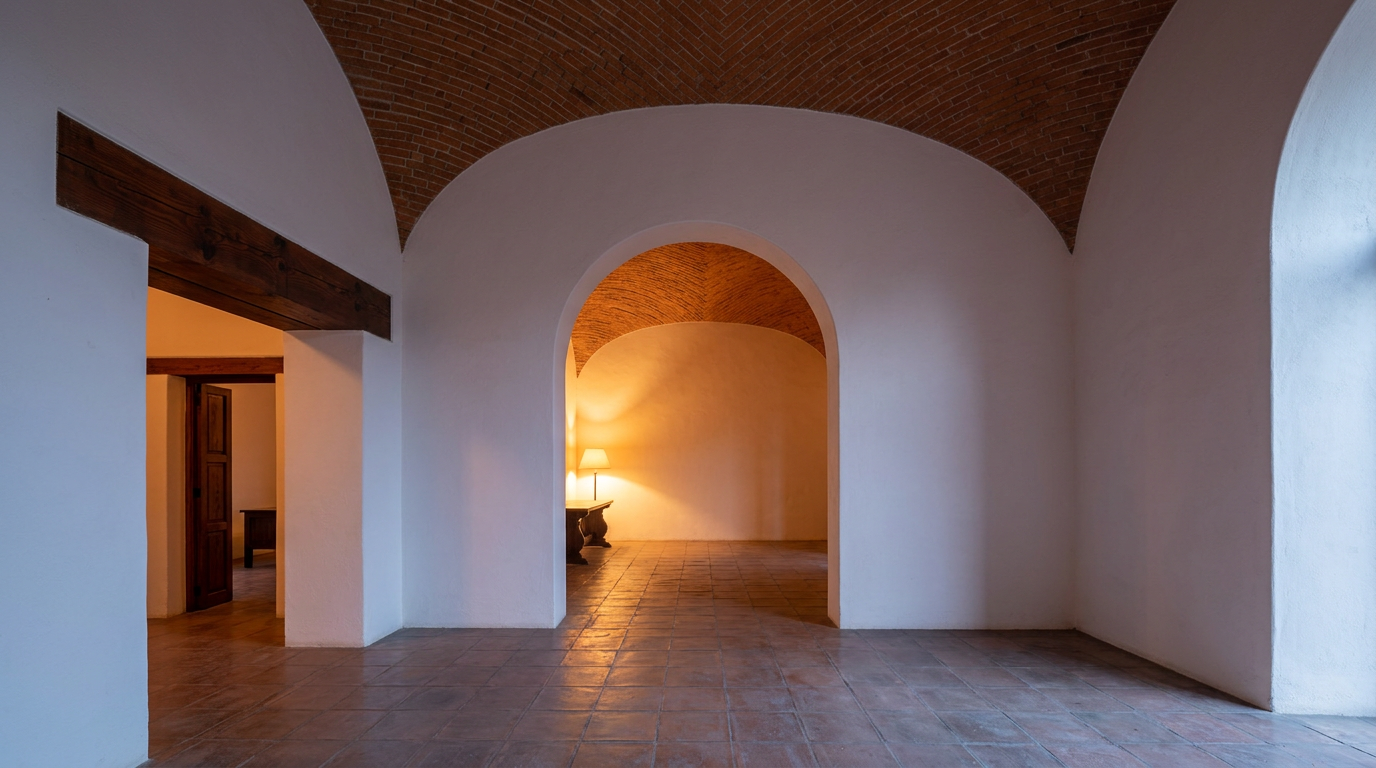
1. Vaulted Entry — A robust brick vault frames the entrance, offering immediate thermal relief from the exterior heat. The arch’s geometry directs the eye inward. 2. Timber Louver — Precision-engineered timber louvers modulate sunlight on the verandah, creating dynamic shadow play throughout the day. Their angled planes are meticulously joined. 3. Terracotta Ridge — The intersection of two roof planes is capped with terracotta ridge tiles, providing a weather-tight seal and a subtle textural contrast. The color harmonizes with the surrounding landscape. 4. Coral Stone Base — The estate rests on a substantial plinth of local coral stone, elevating the structure and protecting the timber elements from ground moisture. Its rough texture contrasts with smooth render. 5. Exposed Joinery — Douglas-fir glulam beams meet at a visible, intricate joint, showcasing the craft of modern timber construction. The clean lines speak to precision and material honesty.
Classical Forms in Tropical Context
Cuban country estates, particularly those built during the 18th and 19th centuries, drew heavily from Mediterranean and, by extension, ancient Roman and Greek architectural traditions. The concept of the villa, a rural retreat often featuring courtyards and porticos, found a new expression in the Caribbean. These estates, such as the grand sugar plantations that dotted the Cuban landscape, required robust construction methods that could withstand the climate while reflecting the owners' aspirations. Builders frequently employed vaulted structures, a technique perfected in antiquity, for their durability and thermal performance. The use of the Catalan vault, characterized by its shallow arch and minimal centering, allowed for rapid construction with locally available bricks and mortar. This method provided large, open interior spaces without the need for extensive timber framing, which was often susceptible to rot and insects in the humid climate.
The Craft of Vaulted Brickwork
The Catalan vault, or "volta catalana," was a prevalent technique in Cuban colonial architecture, echoing its Spanish origins and broader Mediterranean application. Unlike traditional barrel vaults requiring extensive wooden formwork, Catalan vaults are built with thin bricks laid flat in layers of fast-setting plaster, forming a self-supporting arch. This method creates a highly efficient structural system that distributes loads effectively and provides excellent thermal mass. The inherent coolness of these vaulted spaces was a significant advantage in Cuba's tropical heat, minimizing the need for artificial cooling. The skill required for these vaults resided in the precise placement of each brick, often by masons who carried their knowledge from generation to generation. For example, some historical Cuban estates from the 1800s feature extensive systems of these vaults over living areas and service wings, demonstrating their widespread adoption and structural reliability. The technique is a testament to adaptive architectural problem-solving.
Material Dialogues: Timber and "Peach Fuzz"
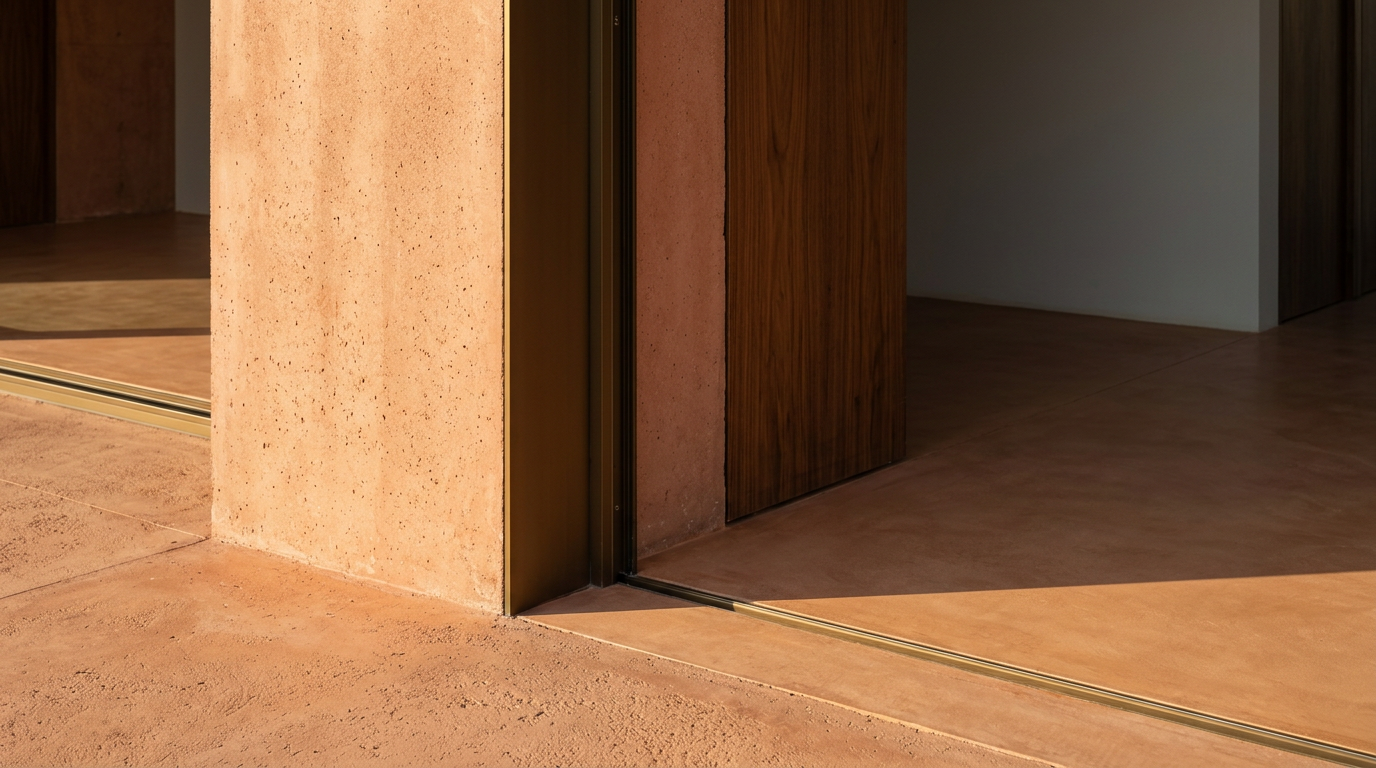
While historical Cuban estates largely relied on masonry, a contemporary reimagining can engage with precision timber construction to address similar environmental and aesthetic concerns. Engineered oak CLT and douglas-fir glulam offer strength, stability, and a distinct material character. Imagine a country estate where large spans are achieved with glulam beams, and wall panels are fabricated from CLT, their surfaces treated with smoked-oak veneer for a nuanced interior palette. Charred cedar could form exterior cladding, providing weather resistance and a striking visual contrast. This material approach can reinterpret the thermal benefits of mass masonry through the inherent insulating properties of wood and thoughtful detailing. The soft, velvety hue of Peach Fuzz, Pantone Colour of the Year 2024, could subtly inform the interior palette, appearing in textiles, natural wood finishes, or integrated lime washes. This color, a gentle orange-pink, complements the warm tones of smoked oak and the earthy richness of exposed glulam, fostering an atmosphere of calm and comfort. The natural grain of the timber, perhaps enhanced by a subtle peach-toned stain, would absorb and reflect light, creating a serene ambiance that respects both the historical context and contemporary design sensibilities.
Precision Timber Joinery in the Tropics
The integration of precision timber joinery, often left visible, offers a direct aesthetic parallel to the honesty of vaulted brick construction. Where brick masons showcased their skill in the rhythm and pattern of their vaults, contemporary timber architects can expose the intricate connections of glulam and CLT. Mortise and tenon joints, dovetails, and scarf joints, executed with modern milling technology, can become celebrated design elements. This approach moves beyond the purely structural and elevates the craft to an art form. The durability of timber in a tropical environment is contingent upon careful detailing: deep eaves, ventilated wall assemblies, and elevated plinths (often of local coral stone) protect the wood from direct sun and moisture. These protective measures align with historical precedents in Cuban architecture, which also employed wide overhangs and raised foundations. This interplay of robust engineering and refined craft creates structures that are both resilient and aesthetically rich, mirroring the ingenuity of their colonial predecessors.
ARCHITECTT Note
The enduring strength of architectural archetypes lies in their adaptability. Cuban country estates, with their classical echoes and material ingenuity, demonstrate how functional requirements can give rise to profound aesthetic statements. The shift from masonry dominance to a timber-centric approach in contemporary design is not a departure but an evolution, maintaining a dialogue with historical forms while embracing new material capabilities. The sensitivity to climate and context remains paramount, whether through vaulted brick or precisely joined timber.
Closing
The architectural legacy of Cuban country estates provides a rich foundation for contemporary design exploration. The principles of passive cooling, material efficiency, and structural elegance, evident in their vaulted brickwork, resonate with current architectural concerns. By reinterpreting these forms with engineered timber and precision joinery, architects can create buildings that honor their heritage while meeting modern demands for sustainability and comfort. The nuanced integration of a color like Peach Fuzz further grounds these spaces in a human-centric experience, proving that even in a tropical climate, warmth and sophistication can be achieved through thoughtful material and chromatic choices.
FAQ
What influenced Cuban colonial country estate architecture?
Cuban colonial country estates were primarily influenced by Spanish and Mediterranean architectural traditions, which in turn drew from ancient Roman and Greek forms, adapted to the tropical Caribbean climate.
Why was vaulted brickwork common in these estates?
Vaulted brickwork, particularly the Catalan vault, was common due to its structural efficiency, ability to create large clear spans, and excellent thermal mass, which helped keep interiors cool in the hot Cuban climate.
What is a Catalan vault?
A Catalan vault is a low arch made of thin bricks laid flat and bonded with fast-setting plaster, creating a self-supporting structure without the need for extensive formwork.
How can contemporary timber construction relate to this historical typology?
Contemporary timber construction can relate by employing precision timber joinery, glulam beams, and CLT panels to achieve similar structural spans and thermal performance, while also reinterpreting the aesthetic of honest craftsmanship.
How does "Peach Fuzz" fit into this architectural context?
Pantone Colour of the Year 2024, "Peach Fuzz," can be integrated into the interior palette through textiles, natural wood stains, or lime washes, complementing the warm tones of timber and creating a serene, inviting atmosphere that contrasts with the exterior's material expression.
What are some benefits of using engineered wood in tropical climates?
Engineered wood like glulam and CLT offers stability and strength. When properly detailed with deep eaves and elevated foundations, it can perform well in tropical climates, providing insulation and reducing overall building weight compared to traditional masonry.
In Short
Cuban country estates combined classical design with local materials, using vaulted brickwork for cooling and structural integrity, a typology open to modern timber reinterpretations.
Key takeaways
- —Cuban colonial country estates adapted classical forms to tropical climates using vaulted brickwork for structural and thermal benefits.
- —The Catalan vault was a key construction technique, offering efficient spans and passive cooling.
- —Contemporary design can reinterpret these principles with engineered timber, using precision joinery and materials like smoked oak and charred cedar.
- —The Pantone Colour of the Year, "Peach Fuzz," can be subtly integrated into these timber-focused interiors to enhance warmth and atmosphere.
- —Careful detailing is crucial for timber durability in tropical environments, echoing historical protective measures.
Sources
- Cuban country estates, particularly those built during the 18th and 19th centuries, drew heavily from Mediterranean and, by extension, ancient Roman and Greek architectural traditions.https://www.archdaily.com/974950/cuban-colonial-architecture-a-syncretic-style
- The use of the Catalan vault, characterized by its shallow arch and minimal centering, allowed for rapid construction with locally available bricks and mortar.https://en.wikipedia.org/wiki/Catalan_vault
- The soft, velvety hue of Peach Fuzz, Pantone Colour of the Year 2024, could subtly inform the interior palette, appearing in textiles, natural wood finishes, or integrated lime washes.https://www.pantone.com/color-of-the-year/peach-fuzz-2024
- For example, some historical Cuban estates from the 1800s feature extensive systems of these vaults over living areas and service wings, demonstrating their widespread adoption and structural reliability.https://books.google.com/books?id=0sCq_eC_R8cC&pg=PA240&lpg=PA240&dq=cuban+colonial+country+estates+vaulted+brickwork+1800s&source=bl&ots=Q7iL4h7f6A&sig=ACfU3U3p4gJ7v0fCg5j_P7f4r_0q4L_3Q&hl=en&sa=X&ved=2ahUKEwjG_4Cg-b_8AhWlIUQIHaF9BpUQ6AF6BAgCEAM#v=onepage&q=cuban%20colonial%20country%20estates%20vaulted%20brickwork%201800s&f=false
Topics
Referenced in this piece
Continue reading