
What this cluster covers
The Renaissance recovered a set of rules — order, module, symmetry, the classical elements used as a grammar rather than as decoration — and the Baroque then spent two centuries testing how far that grammar would bend. Read in sequence, the two periods are the clearest case study in the archive of a discipline inventing a standard and then dramatising it.
In practice this cluster is about geometry under load. Brunelleschi's dome, Palladio's villa plans, Borromini's oval and undulating walls, and the Central European pilgrimage churches are all solutions to compression, span and daylight before they are compositions. The vault, the dome and the buttress recur here more often than the facade.
Entries examine stone and brick vaulting, stucco and fresco as surface systems, the proportional systems used in plan, and the way the same models were exported and adapted across Italy, France, Iberia, Central Europe and Latin America. Attributions and dates are stated only where the source record is clear.
ARCHITECTT Cases
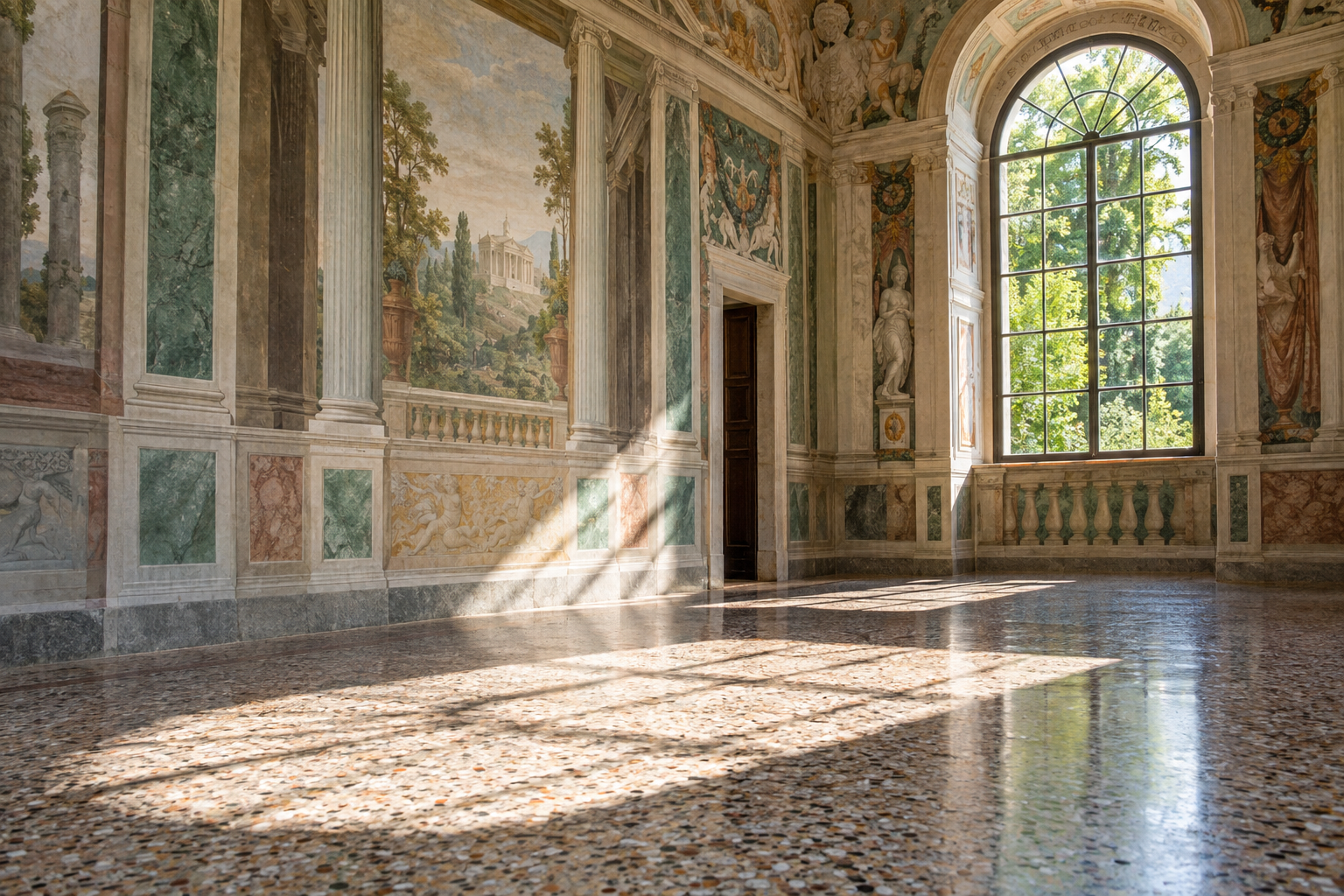
Villa Barbaro at Maser: The Architecture of the Spring
Discover Villa Barbaro at Maser, Palladio’s Renaissance masterpiece where natural springs, Veronese’s frescoes, and historic pigments create a living design.
23 Sept 2026
Adaptive Reuse
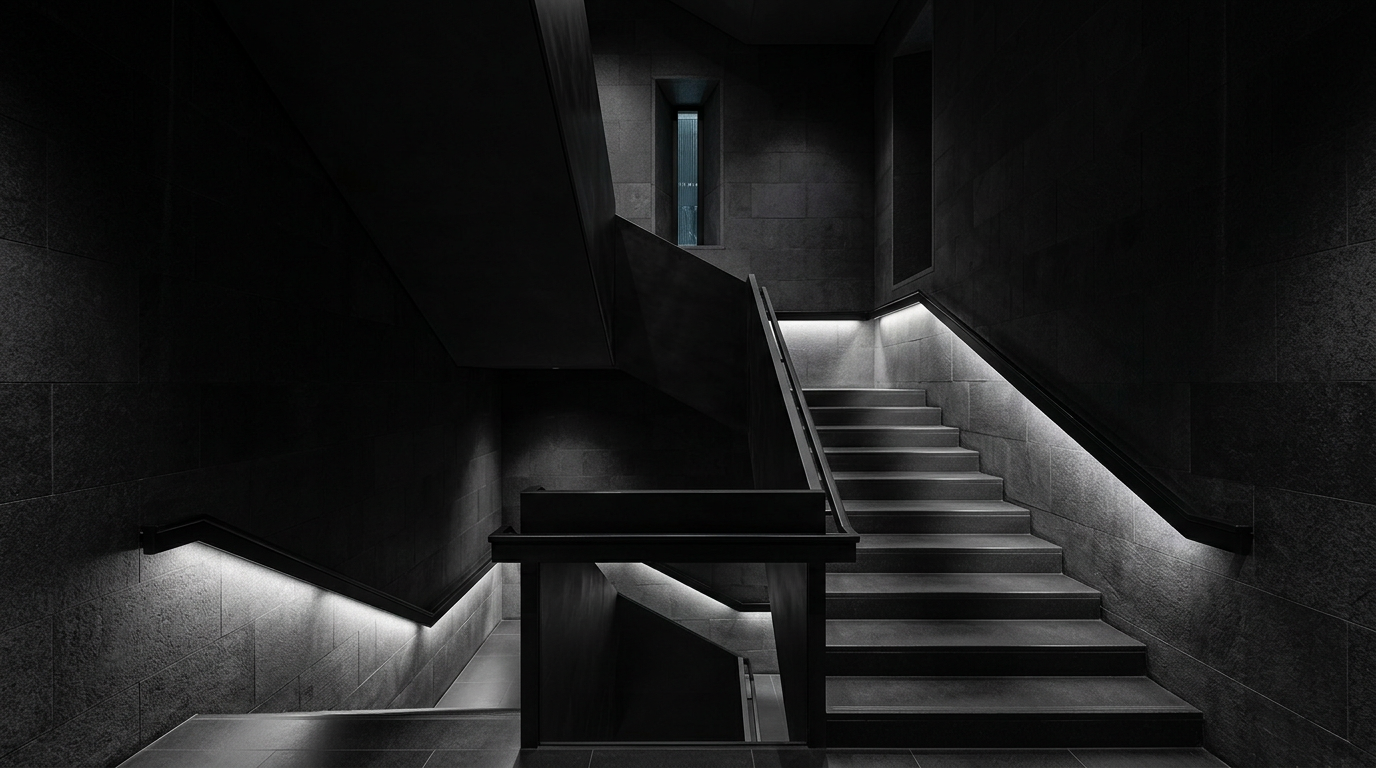
Schloss Hetzendorf: A Black Basalt Pavilion and Renaissance Adaptations
The Schloss Hetzendorf Carbon-Fibre Pavilion demonstrates a contemporary adaptive reuse in Vienna, employing engineered stone and a specific black palette.
7 Aug 2026
Stories of Place
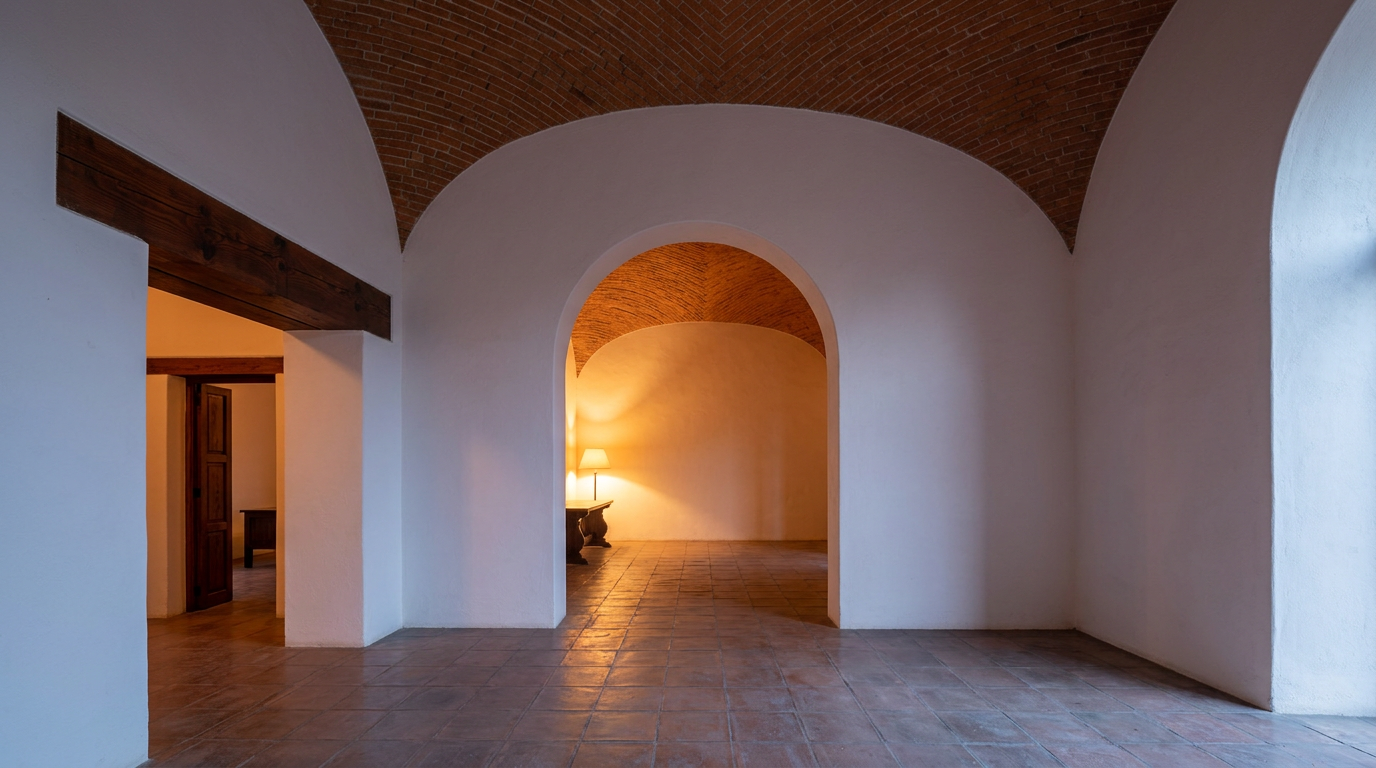
Mexican Hacienda: Enduring Thermal Logic in Vaulted Brickwork
Exploring the architectural principles of Mexican haciendas reveals sophisticated passive climate control, utilizing thermal mass and vaulted brickwork for seasonal comfort.
3 Jul 2026
Construction Diaries
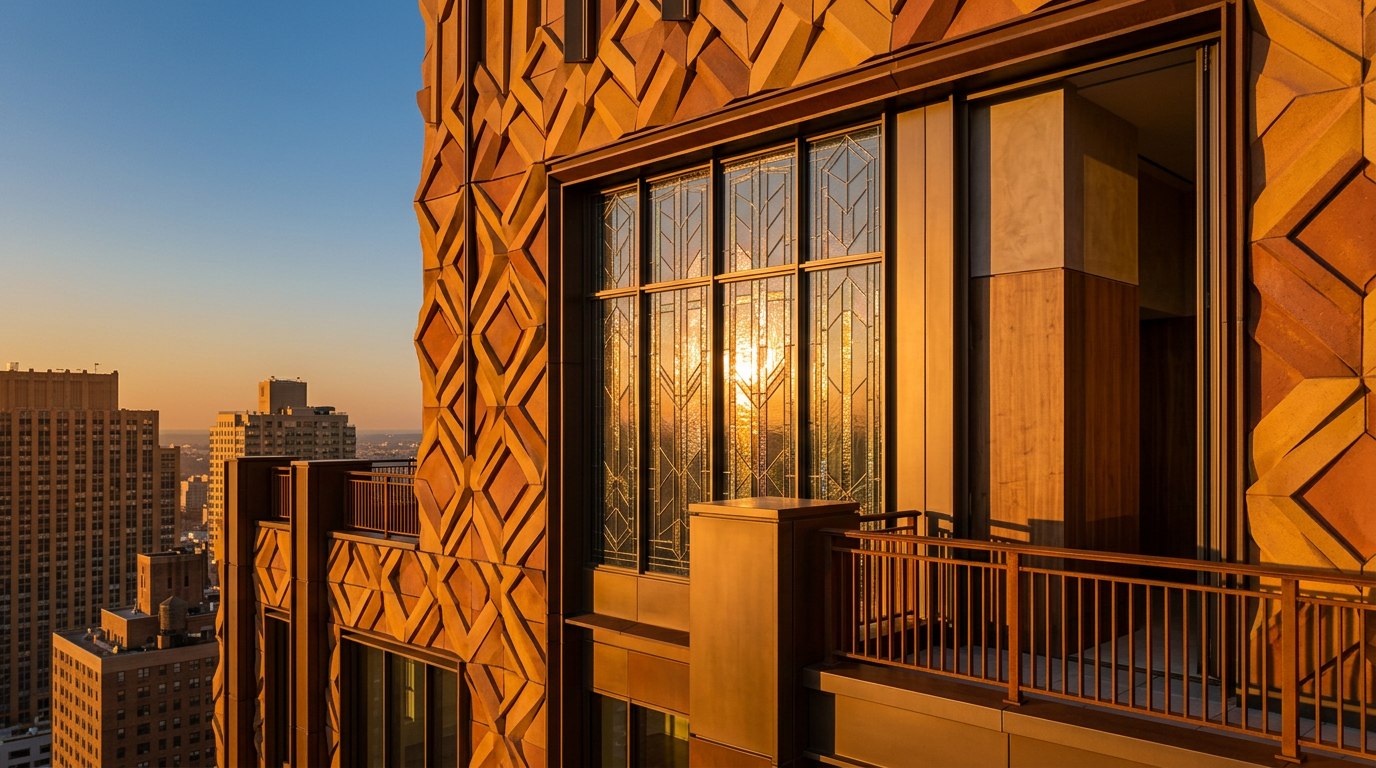
Baroque Tectonics: The New York Penthouse as Sanctuary
Discover how the Rose Hill penthouse in Manhattan fuses Baroque theatricality with lead-came stained glass and terracotta to redefine high-rise wellbeing.
26 Jun 2026