

What this cluster covers
Arts & Crafts was an argument about who makes a building. From the 1860s onward, designers in Britain — Morris, Webb, Voysey, later Lethaby — set the visible hand of the maker against the anonymous output of the factory, and they made that argument in plan, joinery and tile rather than in manifestos alone. The result is a body of work where a staircase newel, a leaded window and a garden wall are treated as the same order of problem as the roofline.
On the continent the same impulse turned decorative and structural at once: Jugendstil in Munich and Vienna, the Secession's flat pattern and gold, Art Nouveau's iron tendrils in Brussels and Paris. What links them is not a style vocabulary but a method — material worked close to the eye, ornament derived from construction, and a house planned outward from the hearth instead of inward from a facade.
Stories filed here look at how those buildings actually stand up and weather: lime mortars and breathable renders, hand-cut joinery tolerances, tile and stained glass as light control rather than decoration, and the long afterlife of the movement in twentieth-century domestic architecture. The craft questions are still live ones for anyone repairing this fabric today.

Construction Diaries
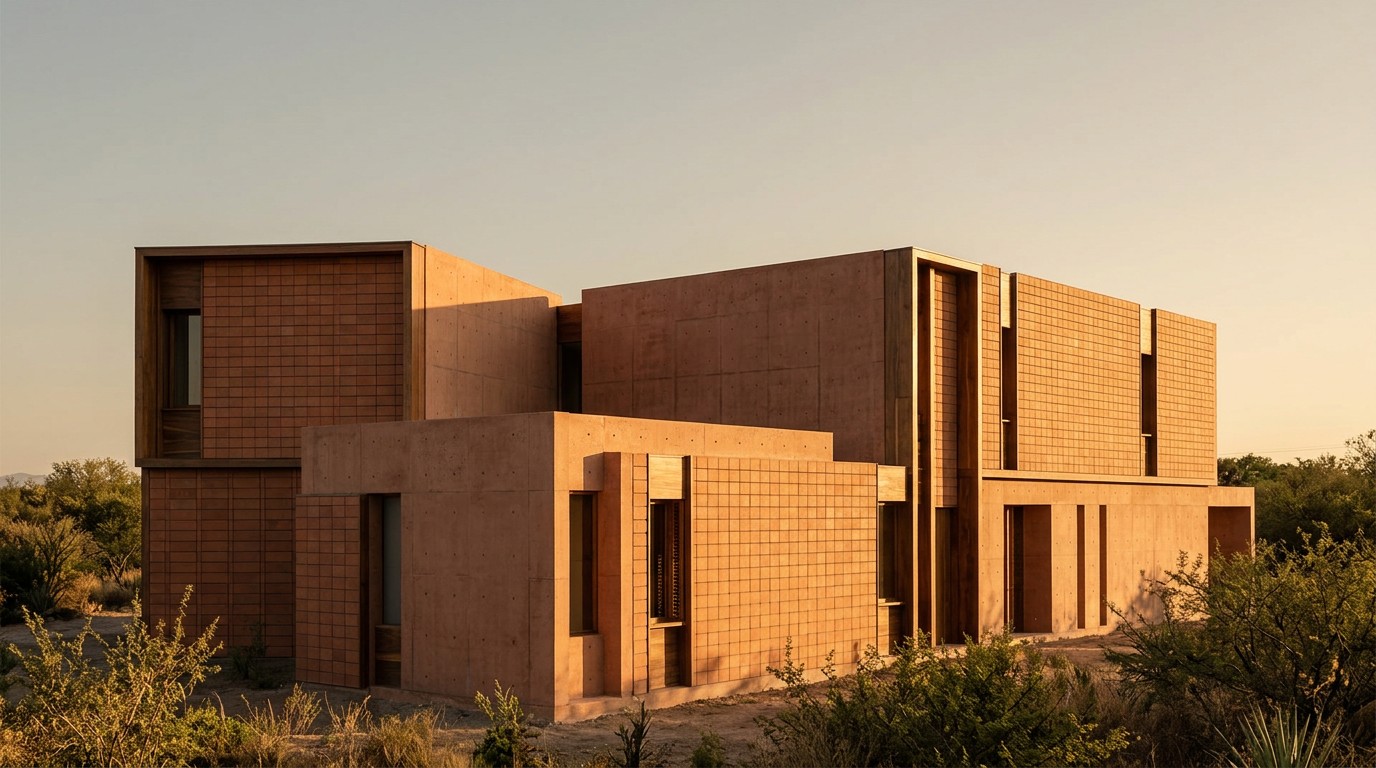
Hill House: Portland Cement Failure and Enduring Form in Helensburgh
Charles Rennie Mackintosh's Hill House, a landmark in Helensburgh, Scotland, grapples with a century of moisture issues from its Portland cement render, now housed in a protective structure.
11 Sept 2026
Material Notes
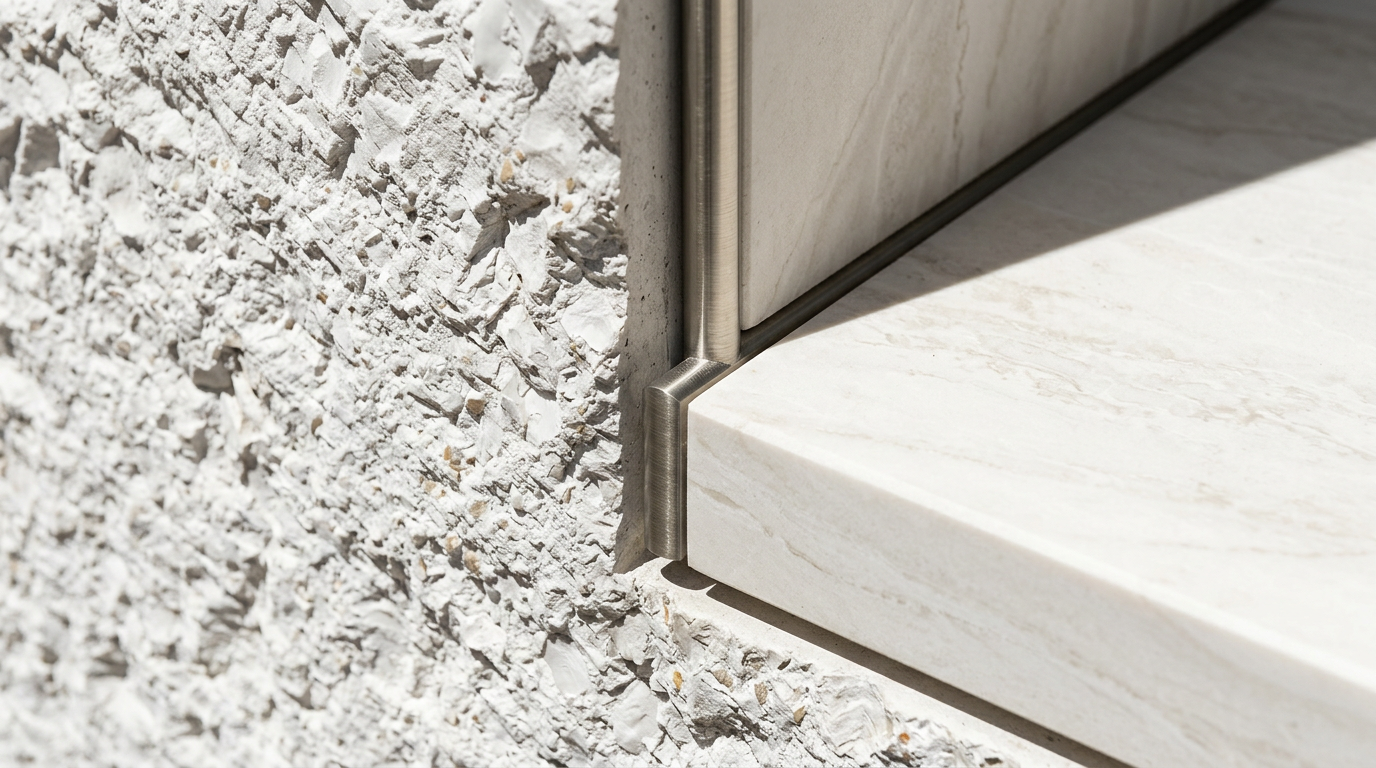
Casa de la Madera: Arts and Crafts Timber Framing in Mexico
Casa de la Madera, a 1920s Mexican hacienda country estate, reinterprets Japanese machiya principles through Arts and Crafts timber framing, emphasizing circular design.
14 Aug 2026
Visual Essay
Raimundo da Mota: Hydrologic Logic in Lisbon’s Arts and Crafts Prefabrication
Raimundo da Mota’s innovative approach to modular prefab assembly in early 20th-century Lisbon combined Arts and Crafts aesthetics with pioneering hydrologic design for off-grid living.
28 Jul 2026
Architecture Travel
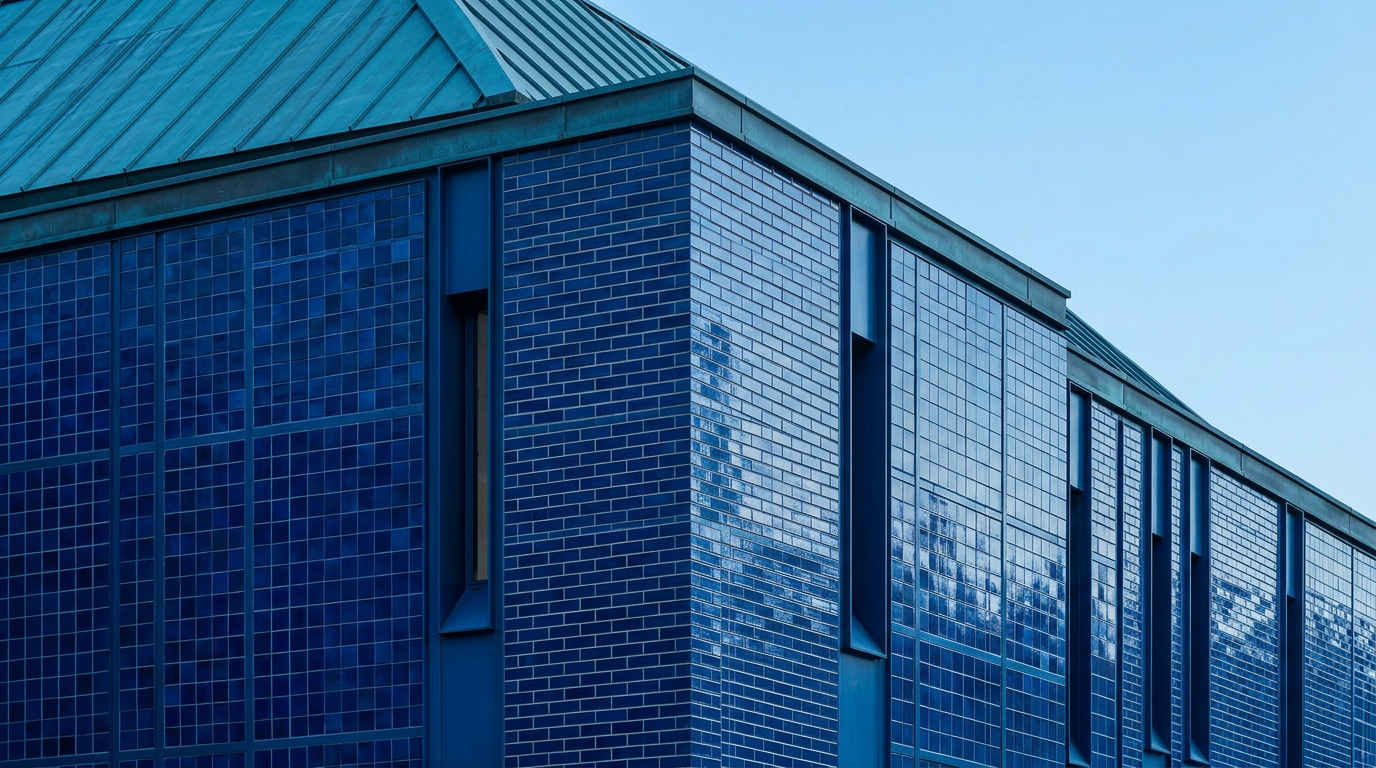
Tanjong Pagar: Blue Glaze and Tropical Art Nouveau
The former Tanjong Pagar Railway Station in Singapore features a distinctive Art Nouveau canopy, showcasing innovative prefabrication and passive climate control principles.
27 Jul 2026