

What this cluster covers
Masonry craft is the part of a wall a drawing cannot fully specify. Bond pattern, joint width, mortar mix, the order in which a mason sets a course and how the pointing is struck decide whether a wall reads as one surface or as a stack of units — and whether it will shed water for a century or trap it for a decade.
The cluster covers brickwork and stonework together, because the craft questions rhyme: coursing and levelling, quoins and reveals, arch and vault geometry, lime versus cement mortar, repointing that respects the original permeability, and the repair ethics that decide when to consolidate rather than replace. Hard cement pointing on soft historic brick is the single most common way a well-meaning repair destroys a wall.
Articles filed here are usually construction-first: what the mason did, what the mortar is made of, how the wall behaves thermally and hygrically, and what a contemporary project can honestly borrow from it. Ornamental claims are tied to the specific building being discussed rather than generalised across a period.
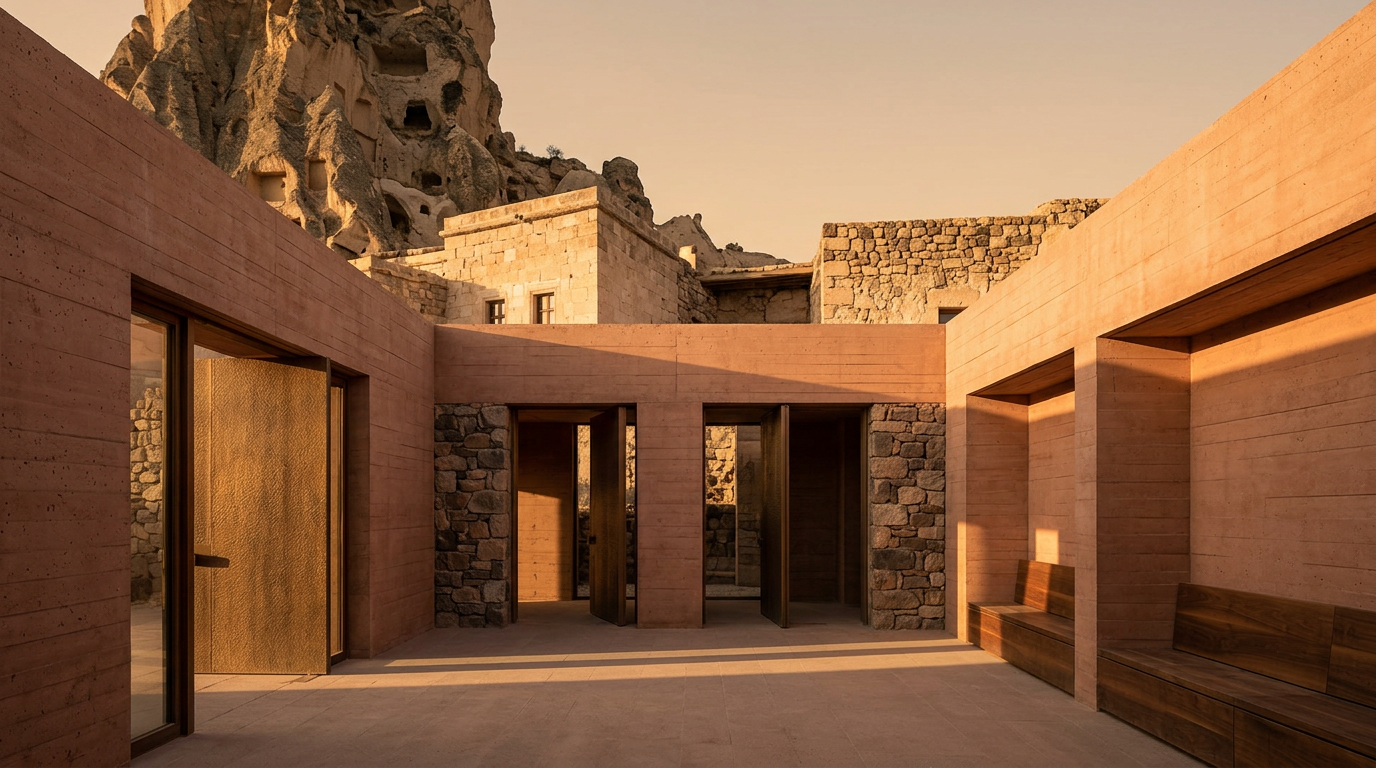
Transformation Logic
Uchisar Castle: A Study in Cappadocian Dry-Stone Form and Material Reintegration
Uchisar Castle in Cappadocia, Turkey, stands as a prime example of adaptive reuse where historical dry-stone masonry techniques inform contemporary approaches to circular design and material reintegration within a monumental landscape.
17 Jul 2026
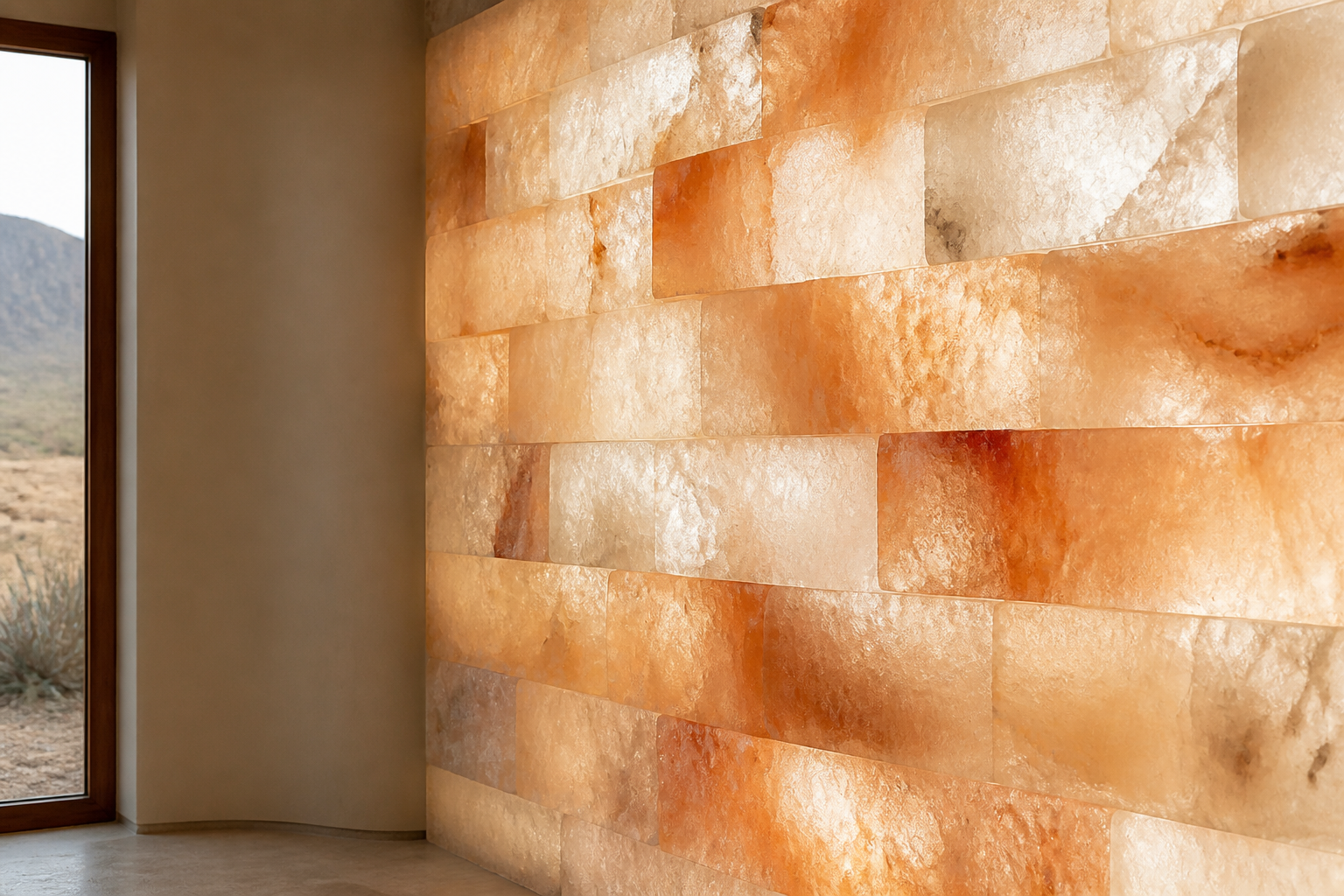
Stories of Place
Saline Logic: The Growth of Mineral Masonry
Saline Logic explores the transition from salt as industrial waste to a structural medium, offering a new path for sustainable, site-grown architecture.
16 Nov 2025
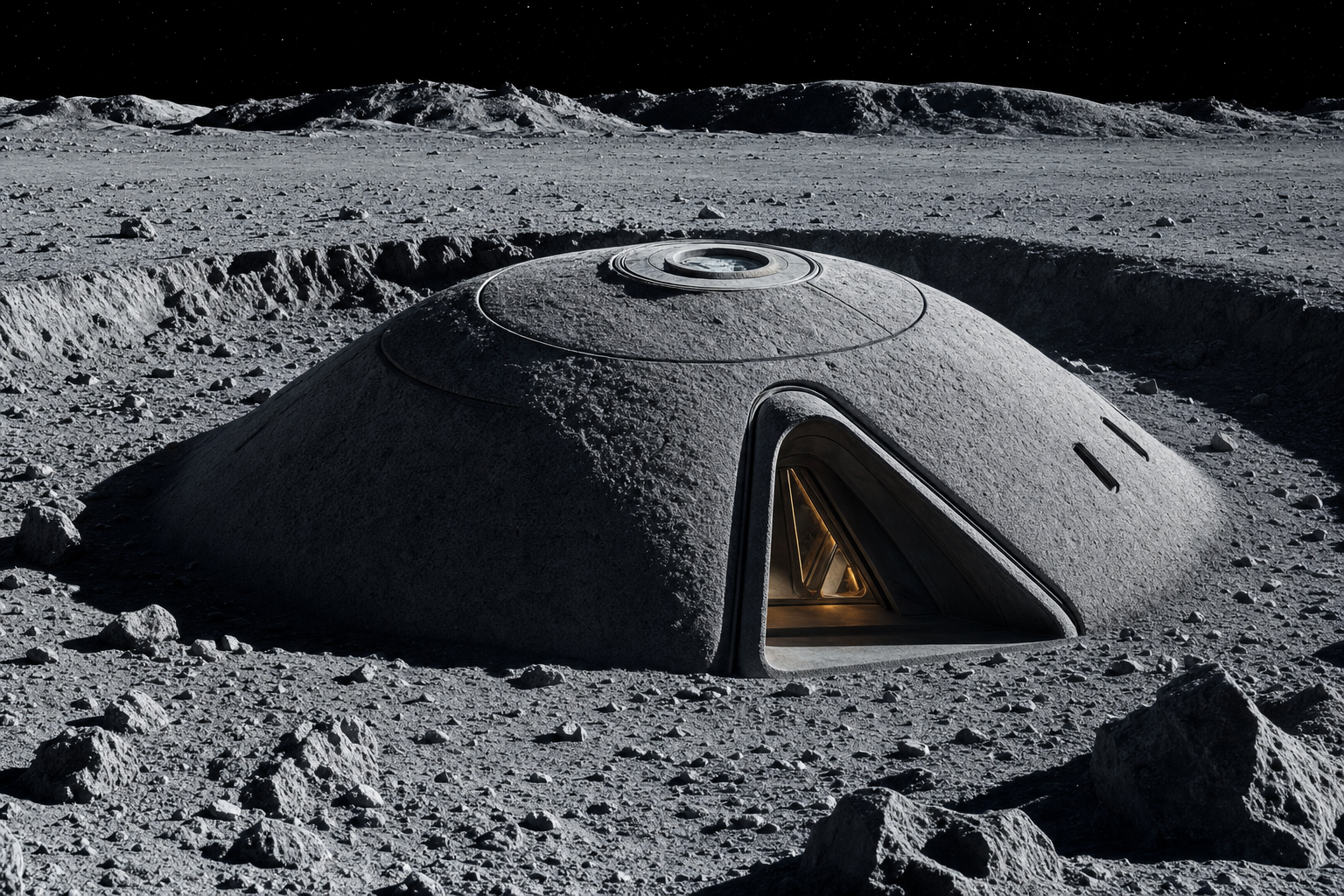
Future Living
Lunar Logic: The Tectonics of the Regolith Shell
Lunar tectonics shift from prefabricated modules to in-situ regolith sintering, creating subterranean, radiation-shielded habitats.
12 Oct 2025