
Transformation Logic
Uchisar Castle: A Study in Cappadocian Dry-Stone Form and Material Reintegration
The adaptive reuse of Uchisar Castle demonstrates how ancient dry-stone masonry informs principles of circular design in a monumental Cappadocian landscape.
Uchisar Castle, a medieval fortress in Cappadocia, Turkey, integrates dry-stone masonry with rock-cut architecture, showcasing principles of circular design through its inherent material reusability and long history of adaptive reuse.
The medieval Uchisar Castle, carved and built into a volcanic rock formation in Cappadocia, Turkey, uniquely illustrates how historic dry-stone masonry contributes to a circular economy model through its inherent design for disassembly and material re-integration. This ancient structure, largely shaped by erosion and human intervention over centuries, offers a precedent for responsible resource management in architecture, demonstrating durability and adaptability through its construction methods.
In Short
- Uchisar Castle is a prominent example of a rock-cut and dry-stone built fortification in Cappadocia.
- Its construction exhibits enduring principles of material efficiency and design for disassembly.
- The castle's evolution reflects a continuous process of material reuse and recalibration over centuries.
- Modern interventions can draw lessons from Uchisar's circular material logic.
Geomorphology and Early Habitation
Uchisar Castle is a natural fortress formed from a periclinal lava cone, subsequently sculpted by erosion and human excavation. The soft tufa rock, characteristic of the Cappadocia region, allowed for extensive carving of interior spaces, creating a complex network of rooms, tunnels, and stairways within the natural formation. Early habitation dates back to the Hittite period, with significant expansion occurring during the Roman and Byzantine eras, when the castle served as a strategic point for defense and refuge. The dry-stone masonry, often used to bridge gaps between rock formations or to add defensive layers, utilized local volcanic stone. These stones were precisely cut and fitted without mortar, relying on gravity and friction for structural stability. This method inherently facilitates the dismantling and reuse of materials, embodying an early form of circular construction.
Dry-Stone Masonry: A Precursor to Circular Design
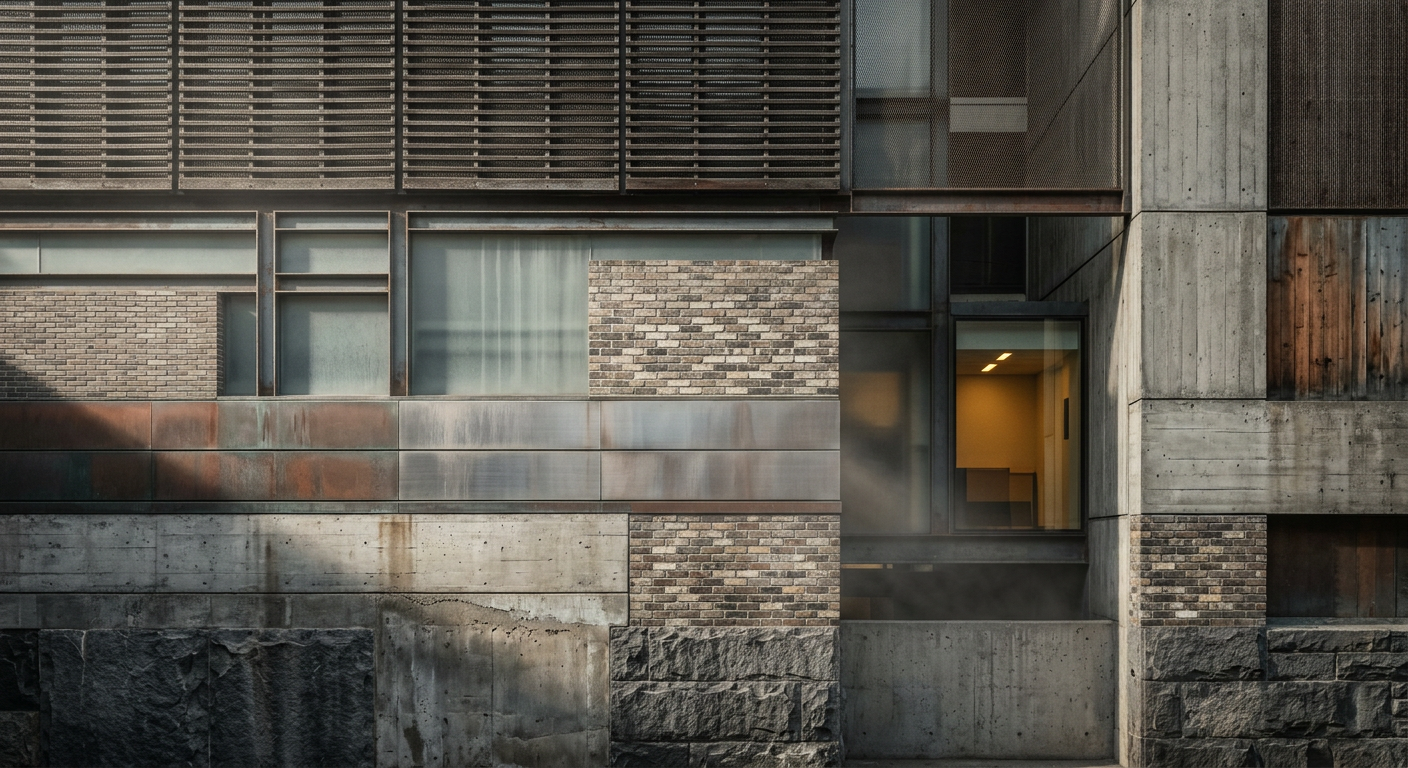
The construction techniques employed at Uchisar Castle exemplify principles that align with modern circular economy tenets. Dry-stone masonry, a craft technique with origins dating back millennia, involves the careful stacking of stones. The absence of mortar means individual stones can be removed and repurposed with minimal effort or material degradation. This 'design for disassembly' is critical in a circular economy, where components are intended for long lifespans through maintenance, repair, and eventual reuse. The volcanic tuff used in Uchisar, readily available from the immediate surroundings, minimized transportation costs and energy expenditure, highlighting a localized approach to resource management.
The durability of dry-stone structures is also a testament to their inherent sustainability. The flexibility of mortarless joints allows for slight movement, accommodating seismic activity and thermal expansion without structural failure. This resilience contrasts with monolithic constructions, which often require extensive energy for repair or demolition. At Uchisar, extensions, repairs, and modifications over centuries likely involved the re-integration of previously used stones, forming a continuous cycle of material utility.
Adaptive Reuse and Materiality in the Cappadocian Context
Over its long history, Uchisar Castle has undergone numerous transformations, from a defensive stronghold to a residential complex, and today, a significant cultural landmark. This adaptive reuse demonstrates the inherent versatility of its construction. The rock-cut elements, combined with dry-stone additions, show how structures can evolve without constant depletion of new resources. The integration of the castle within the natural landscape underscores a design philosophy deeply rooted in site-specificity and minimal environmental impact.
Contemporary architectural interventions in historical settings often face challenges regarding material sourcing and waste. Lessons from Uchisar suggest that a closer examination of traditional building practices, particularly those involving local materials and techniques like dry-stone masonry, can inform modern sustainable strategies. The castle’s material palette—primarily volcanic rock and earth—is not only aesthetically integrated with its surroundings but also functionally optimized for the regional climate.
Circular Economy in the Ancient World
The concept of a circular economy, while formalized in recent decades, has historical precedents reflected in pre-industrial building practices. Uchisar Castle's structure is a historical artifact proving this. Every stone, carefully selected and placed, represented a material investment. The ease of re-using these stones meant that additions or alterations could occur with minimal production of new materials and minimal waste. This stands in contrast to the linear 'take-make-dispose' model prevalent in much of modern construction.
The castle offers tangible evidence of a time when resources were conserved through necessity and ingenuity. Its continued existence, having served varying functions over millennia, speaks to the inherent circularity of its design. For architects and planners today, Uchisar provides a blueprint for systems that prioritize material value retention and resource efficiency throughout a building's lifecycle.
ARCHITECTT Note
We observe how ancient building practices, especially those employing dry-stone masonry, present practical models for circular design. The inherent reusability of unmortared stone provides valuable insight into designing for disassembly. It argues for a re-evaluation of material choices and construction techniques, particularly in light of contemporary ecological imperatives.
Closing
Uchisar Castle, with its intricate rock-cut forms and dry-stone additions, serves as a significant case study in architectural resilience and resourcefulness. Its construction methodology, rooted in millennia-old traditions, inherently embraced principles of material circularity. These ancient lessons remain pertinent in an era demanding sustainable and adaptable building practices. The castle endures as a testament to the enduring power of local materials and intelligent, context-responsive construction.
FAQ
What is Uchisar Castle?
Uchisar Castle is a large rock formation in Cappadocia, Turkey, extensively carved and built into a medieval fortress. It served primarily as a defensive stronghold and residential complex for centuries.
What building techniques were used in Uchisar Castle?
The castle combines extensive rock-cutting into the soft volcanic tufa with dry-stone masonry for external walls and structural enhancements. Dry-stone construction involves fitting stones together without mortar.
How does Uchisar Castle relate to circular economy principles?
Uchisar Castle exemplifies circular economy principles through its use of local materials (volcanic rock), its dry-stone construction (allowing for easy dismantling and reuse of stones), and its long history of adaptive reuse. Materials were sourced and re-integrated continuously.
What is dry-stone masonry?
Dry-stone masonry is a building method where structures are constructed by stacking stones without any mortar to bind them. Stability is achieved through careful selection, shaping, and interlocking of stones.
Where is Uchisar Castle located?
Uchisar Castle is located in the town of Uchisar in the Cappadocia region of central Turkey, known for its unique 'fairy chimney' rock formations and historical cave dwellings.
In Short
Uchisar Castle in Cappadocia demonstrates how ancient dry-stone masonry prefigured modern circular economy principles through design for disassembly and material reintegration.
Key takeaways
- —Uchisar Castle showcases durable dry-stone masonry.
- —Its design inherently supports material reuse and adaptability.
- —The castle's history embodies circular economy principles.
- —Traditional methods offer insights for modern sustainable architecture.
Sources
- Uchisar Castle is a natural fortress formed from a periclinal lava cone, subsequently sculpted by erosion and human excavation.https://www.uchisar-kalesi.com/en/uchisar-castle
- Early habitation dates back to the Hittite period, with significant expansion occurring during the Roman and Byzantine eras, when the castle served as a strategic point for defense and refuge.https://www.uchisar-kalesi.com/en/uchisar-castle
- Dry-stone masonry, a craft technique with origins dating back millennia, involves the careful stacking of stones.https://en.wikipedia.org/wiki/Dry-stone_wall
Topics
Referenced in this piece
Continue reading