
What this cluster covers
From the Maghreb to the Gulf, this cluster covers building cultures that solved heat, glare and scarcity long before mechanical cooling existed. The courtyard house, the mashrabiya screen, the wind tower, the vaulted mud-brick roof and the shaded souk street are climate machines, and they still outperform many contemporary envelopes in the same latitudes.
The material palette is specific: mud brick and rammed earth, fired brick, limestone and gypsum plaster, tadelakt and lime in the Moroccan tradition, glazed tile as light and pattern, timber used sparingly where it had to be imported. Ottoman masonry and dome construction, Persian vaulting and the Gulf's coral-stone coastal architecture each appear on their own terms rather than as one regional style.
Stories filed here look at passive cooling in detail — stack ventilation, thermal lag, evaporative courtyards, orientation and aperture size — and at what happens when those principles are dropped in favour of sealed glass towers. Restoration and conservation of earthen fabric is a recurring thread.
Details That Matter
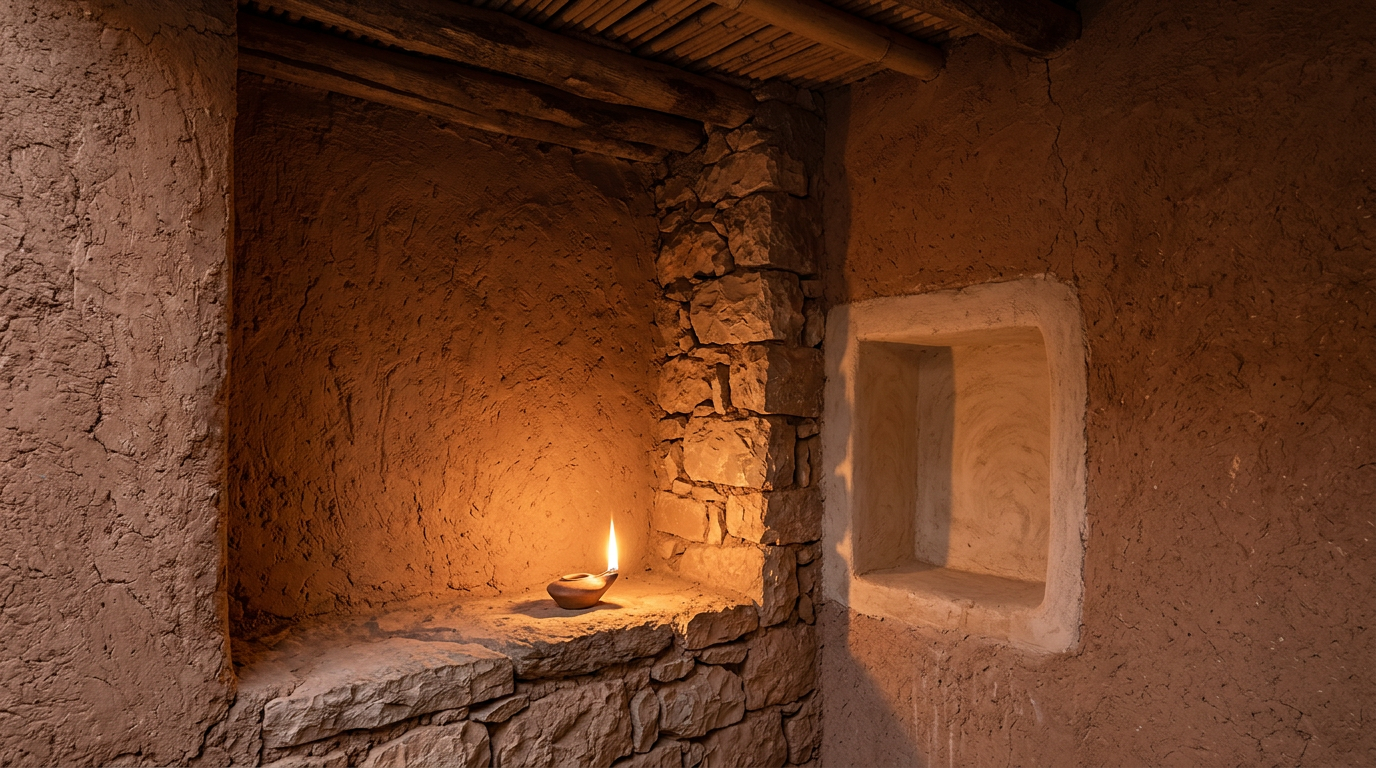
Aït Benhaddou: Dry-Stone Vernacular and the Ethics of Revival
Examining the dry-stone masonry of Aït Benhaddou, this piece explores the ethical considerations and practicalities of preserving and adapting heritage structures in Morocco.
15 Aug 2026
Transformation Logic
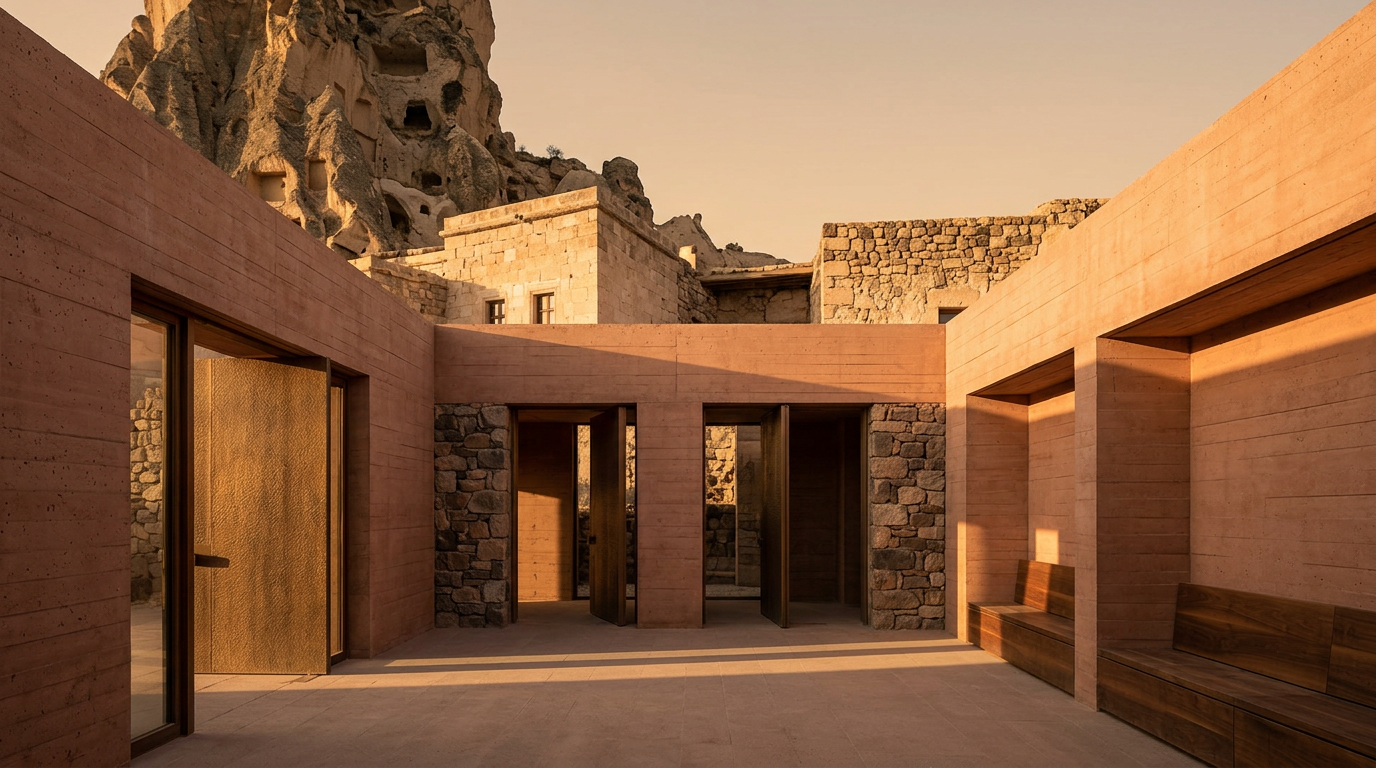
Uchisar Castle: A Study in Cappadocian Dry-Stone Form and Material Reintegration
Uchisar Castle in Cappadocia, Turkey, stands as a prime example of adaptive reuse where historical dry-stone masonry techniques inform contemporary approaches to circular design and material reintegration within a monumental landscape.
17 Jul 2026
Material Notes
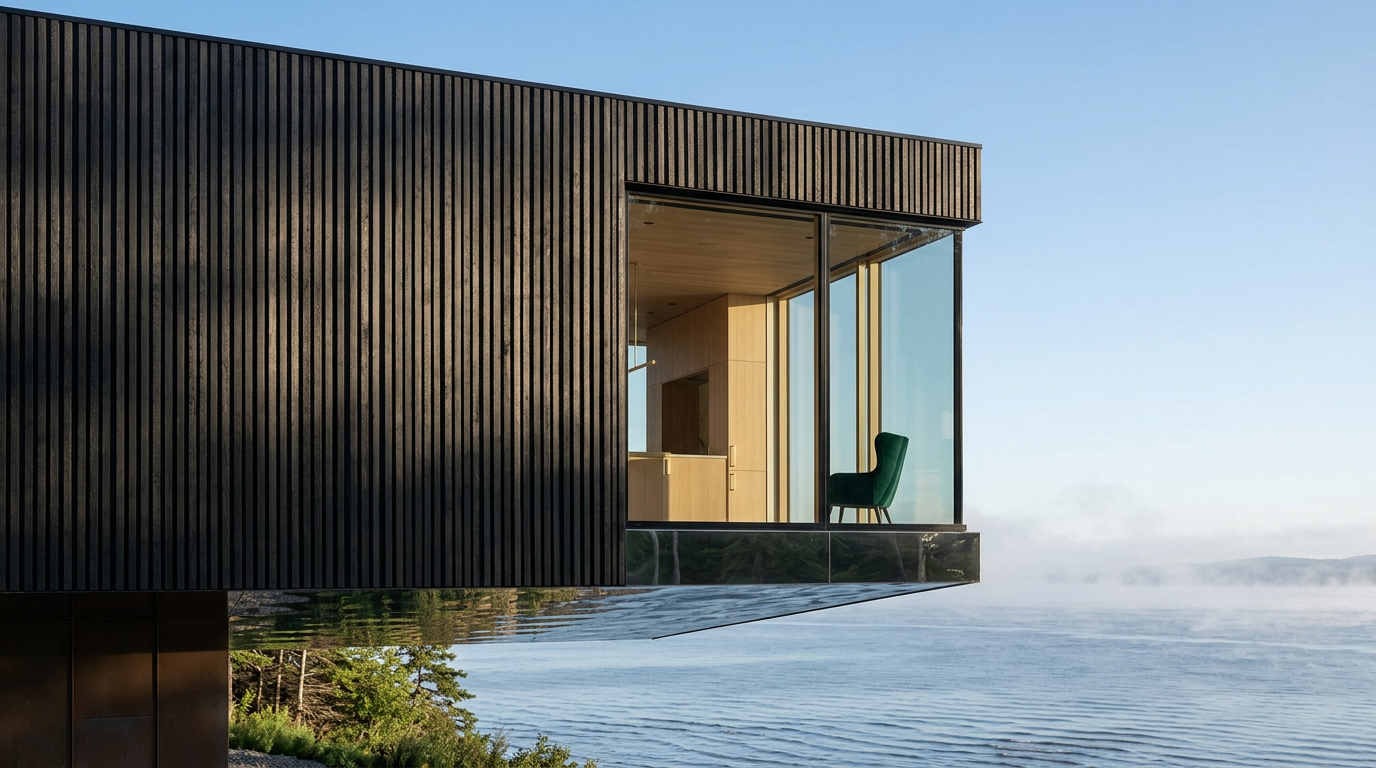
Lead and Light in Quebec: Tracing Biophilia in the Sainte-Luce Cabin
The Sainte-Luce Cabin in Quebec exemplifies an unexpected fusion of Ottoman classical aesthetics with localized building techniques, notably through its lead-came stained glass that fosters interior wellbeing.
1 Jul 2026