
Construction Diaries
Hybrid Logic: The Synthesis of Timber and Steel
Beyond the binary: how the integration of timber and steel is redefining high-rise efficiency and carbon performance.
Hybrid timber-steel systems optimize high-rise construction by combining steel's structural span capabilities with mass timber's lightweight, carbon-sequestering properties.
Modern high-rise construction is navigating a pivot toward decarbonization, yet the physical limitations of building tall remain unchanged. The decision between mass timber and steel in high-rise construction is no longer a binary choice of sustainability versus strength; rather, it is a nuanced integration of the two. Modern hybrid timber-steel systems leverage the compressive strength of steel for long-spanning frames and the carbon-sequestration benefits of mass timber for floor slabs, creating structures that are lighter, faster to assemble, and more environmentally responsible than traditional concrete or pure steel builds.
The Structural Logic of the Hybrid
Pure mass timber structures, while aesthetically and environmentally superior, often face economic and structural hurdles as they scale beyond twelve stories. The depth of timber beams required to achieve wide, column-free spans can compromise ceiling heights and increase the overall height of the building. Steel, by contrast, is highly efficient in tension and compression, allowing for slim profiles and expansive floor plates.
By utilizing a steel frame for the primary structural grid and Cross-Laminated Timber (CLT) for the floor diaphragms, architects can achieve the "best of both worlds." The steel frame provides the necessary stiffness and seismic performance, while the CLT slabs act as a lightweight, pre-finished floor system. This combination can reduce the building’s self-weight by roughly 25% to 30% compared to a conventional steel-and-concrete deck build.
Speed and Precision on the Job Site
Construction diaries from hybrid projects often highlight the shift from a traditional building site to an assembly site. Both steel components and CLT panels are typically prefabricated off-site using CNC technology. This allows for tolerances measured in millimeters rather than centimeters.
On-site, the absence of wet trades—such as concrete pouring for floor decks—accelerates the schedule significantly. A typical hybrid floor can be erected in a fraction of the time required for a post-tensioned concrete slab. This dry construction method also reduces site noise, dust, and waste, making it an ideal choice for dense urban infill projects where community disruption must be minimized.
The Carbon Calculations
The environmental argument for hybrid systems lies in the balance of embodied carbon. Steel is energy-intensive to produce, but its high strength-to-weight ratio means less material is required to support a given load. Mass timber, on the other hand, stores carbon absorbed during the tree's growth.
When timber replaces concrete in the floor slabs—traditionally the most volume-intensive part of a building—the net carbon footprint of the structure drops. Furthermore, the lighter weight of the timber floors leads to a reduction in the size of the concrete foundations, further lowering the total carbon cost of the project. It is a cascading efficiency: lighter floors lead to smaller columns, which lead to smaller footings.
Resolving the Connections
The most critical aspect of the hybrid diary is the connection detail. Steel and wood react differently to environmental factors; steel expands and contracts with temperature, while timber moves in response to moisture levels. Engineers must design connections that allow for these differential movements without compromising the integrity of the building envelope or the floor levelness.
Common solutions include steel "seats" or brackets welded to the main beams, upon which the CLT panels rest. These connections are often hidden within the floor assembly to maintain a clean aesthetic or exposed as a celebration of the industrial-meets-organic craft.
In Short
- Hybrid systems allow for greater building heights and wider spans than pure mass timber.
- The reduced weight of timber components minimizes foundation requirements and costs.
- Dry construction techniques lead to faster, quieter, and more precise on-site assembly.
- Integration of materials allows for a calculated balance between structural performance and carbon sequestration.
ARCHITECTT Note
The shift toward hybrid systems represents a maturation of the mass timber movement. We are moving away from the ideological purity of "all-wood" buildings toward a more pragmatic, performance-based architecture. By treating steel and timber as complementary rather than competitive, the industry can scale sustainable practices to the density required by modern urban centers.
FAQ
Is a hybrid timber-steel building more expensive?
While material costs for CLT can be higher than concrete, the savings in foundation work and the reduction in construction time often lead to a competitive or even lower total project cost.
How is fire safety managed in these structures?
Mass timber undergoes a predictable charring process that protects the structural integrity of the wood. In a hybrid system, the steel elements are typically fire-protected using intumescent paint or gypsum encasement, while the timber is designed with sufficient thickness to meet fire ratings.
Can hybrid systems be used for residential buildings?
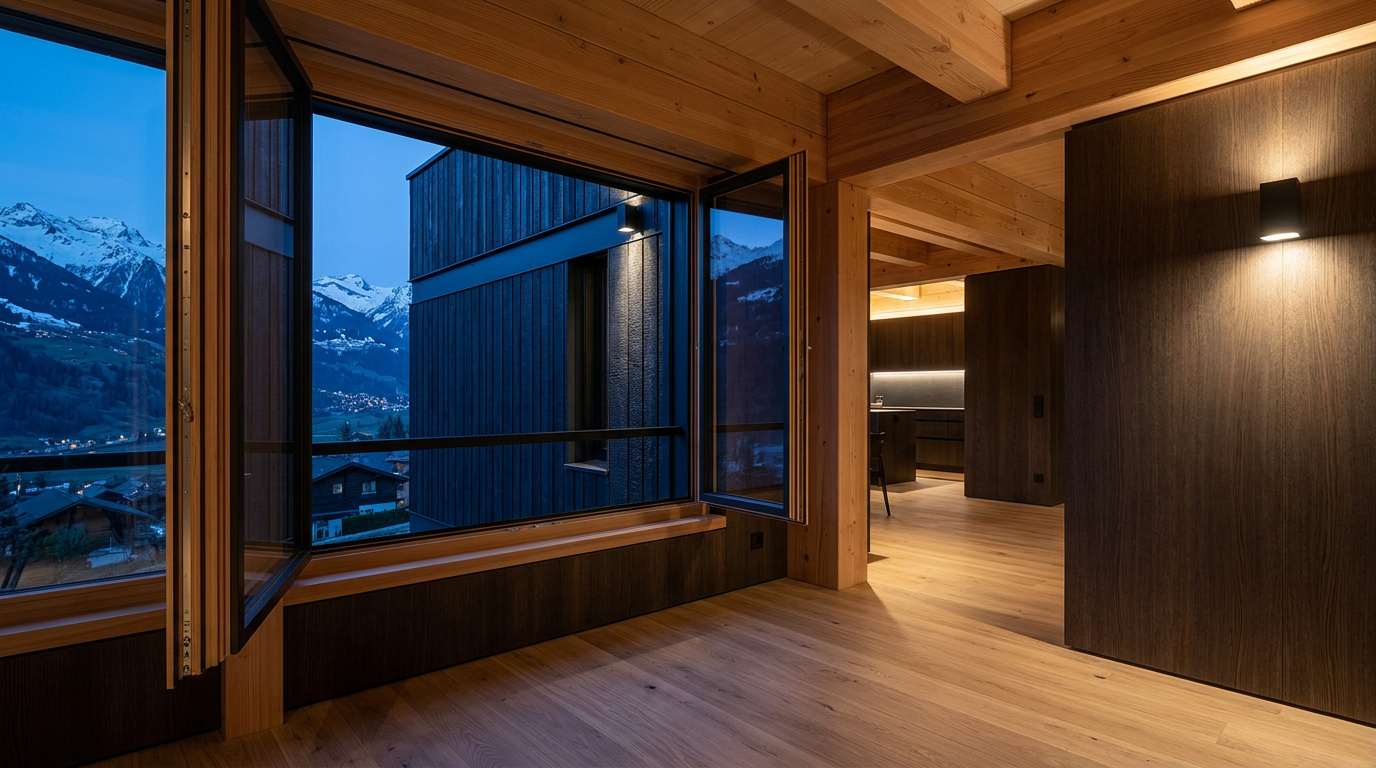
Yes, they are increasingly popular for mid-to-high-rise residential developments. The exposed timber ceilings provide an acoustic and aesthetic warmth that is highly valued in the residential market.
In Short
Hybrid timber-steel systems offer a high-performance alternative to traditional construction by balancing structural efficiency with carbon reduction.
Key takeaways
- —Hybrid systems reduce the overall weight of high-rise structures, lowering foundation requirements.
- —Steel provides the necessary rigidity and long spans that pure timber builds often struggle to achieve economically.
- —Mass timber acts as a carbon sink, offsetting the high embodied energy of the steel components.
- —Off-site prefabrication of both steel and timber components drastically reduces on-site construction timelines.
Topics
Continue reading