Global Icons
Terracotta Tiling and Tuscan Masías: Choreographing Light
In Tuscan masías, traditional terracotta tiling actively shapes internal environments, modulating daylight and influencing thermal performance.
Terracotta tiling in Tuscan masías is a fundamental element in both natural lighting strategies and thermal regulation, diffusing sunlight and providing thermal mass to moderate indoor temperatures.
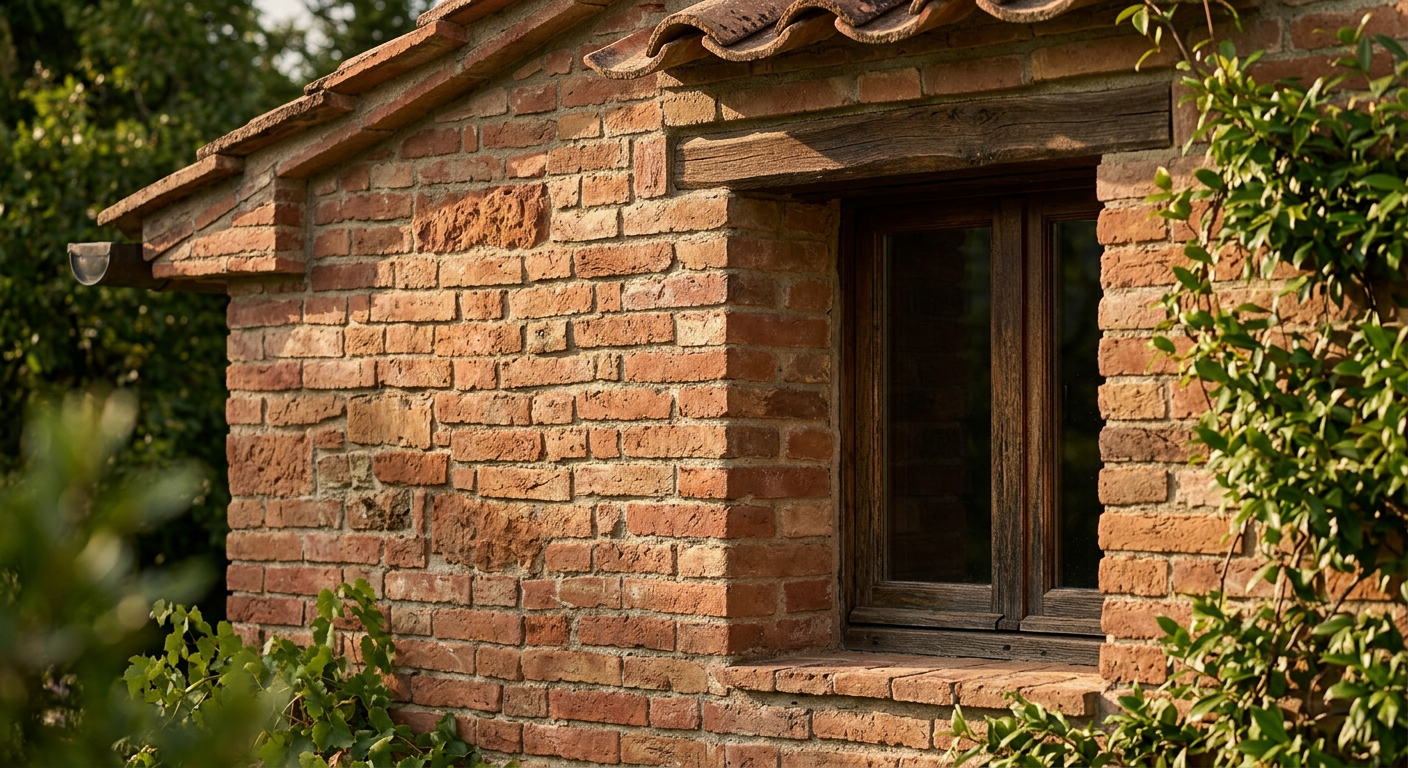
The Tuscan masía, a vernacular building type, utilizes terracotta tiling not merely as a surface finish but as an integral component of its passive environmental design. Traditional applications of this craft in walls and roofs contribute to a sophisticated natural lighting strategy, carefully choreographing daylight within interior spaces and enabling robust thermal performance. This approach exemplifies a continuity of craft where material intelligence directly informs the lived experience of architecture.
In Short
- Terracotta tiling is central to natural lighting and thermal comfort in Tuscan masías.
- The material’s properties influence light diffusion and heat regulation.
- Placement and form of terracotta elements guide daylight penetration.
- This traditional craft underscores principles of passive environmental design.
The Materiality of Terracotta and Light Diffusion
Terracotta, a fired clay product, possesses inherent properties that make it suitable for managing natural light. Its porous surface scatters incident light, rather than reflecting it specularly. This diffusion reduces glare, creating a soft, even illumination within interiors. When employed in walls, particularly as screened elements or decorative grilles, terracotta can filter harsh direct sunlight, transforming it into a warmer, more ambient glow.
Historically, Tuscan masías often featured structural elements, such as roof tiles and floor tiles, made from local clay. These materials, with their characteristic reddish-brown hues, absorb and re-emit light in specific spectrums. The warmth of the color further enriches the quality of daylight entering through openings, imparting a sense of warmth to the interior palette even on cooler days. The texture of these tiles, often handmade, adds subtle variations to the play of light and shadow, contributing to the perceived depth and character of a room.
Orientation and Thermal Regulation with Terracotta
Beyond light diffusion, terracotta plays a critical role in the thermal regulation of a masía, a factor deeply intertwined with lighting strategy. The mass of terracotta roofs and walls provides thermal inertia. During the day, these elements slowly absorb solar radiation, preventing excessive heat gain indoors. As evening falls, this stored heat is gradually released, moderating internal temperatures and creating a more stable microclimate.
This thermal performance directly impacts how and when natural light is welcomed into a space. Openings designed for optimal daylight may be shaded by terracotta elements during peak sun hours, mitigating heat while still allowing diffused light to enter. The strategic positioning of terracotta louvers or brise-soleils on south-facing facades, for instance, can block high-angle summer sun while permitting lower-angle winter sun to penetrate and contribute to passive heating. This calibrated approach minimizes the need for artificial lighting and cooling systems, enhancing the building's energy efficiency.
Craft and the Choreography of Daylight
The application of terracotta in Tuscan masías extends beyond simple surfaces to more complex architectural elements, each contributing to a refined choreography of daylight. Think of the coppo roof tiles, a traditional curved profile common in Tuscany, which create small pockets of shadow and light on the roof plane itself. While primarily functional for shedding water, their undulating form also subtly breaks up the intensity of overhead sun before it reaches the interior.
Inside, terracotta arches, vaulting, and decorative screens act as light modulators. An archway might frame a sunlit view, while its inherent depth casts a soft shadow line that shifts with the sun's path throughout the day. Terracotta brickwork arranged in specific patterns can create permeable screens that allow controlled ingress of light and air. This careful placement of terracotta elements informs the experiential quality of a masía, guiding occupants through spaces with varied light intensities and focal points determined by natural light.
ARCHITECTT Note
The enduring relevance of terracotta in Tuscan vernacular architecture speaks to a profound understanding of material properties and their environmental performance. It is a reminder that sophisticated design solutions often emerge from a deep engagement with local resources and established craft traditions. The integration of terracotta into a building's passive strategies illustrates a holistic approach, where form, function, and material are inseparable.
Closing
The Tuscan masía, through its considered application of terracotta tiling, offers a compelling study in integrated design. The material’s capacity to filter light, modulate temperature, and define space underscores a timeless approach to building that prioritizes natural processes. This continuous dialogue between material, climate, and human dwelling remains a powerful precedent for contemporary architecture seeking to harmonize with its environment.
FAQ
What is a Tuscan masía?
A Tuscan masía is a traditional rural farmhouse or estate in Tuscany, Italy, typically characterized by robust construction, local materials like stone and terracotta, and an integration with the agricultural landscape. The term
In Short
Terracotta tiling is integral to the natural lighting and thermal performance of Tuscan masías, diffusing light and regulating temperature.
Key takeaways
- —Terracotta tiling in Tuscan masías is fundamental for natural lighting and thermal comfort.
- —The material's properties ensure diffused light and internal warmth.
- —Strategic placement of terracotta elements choreographs daylight.
- —Tuscan masías showcase passive design through traditional craft.
Frequently asked
What is a Tuscan masía?+
A Tuscan masía is a traditional rural farmhouse or estate in Tuscany, Italy, typically characterized by robust construction, local materials like stone and terracotta, and an integration with the agricultural landscape. The term "masía" itself is Catalan, for a traditional rural house. While the prompt specifies 'Catalan masía' in Tuscany, typically these would be referred to as 'casale' or 'podere' in Tuscany. However, the core principles of vernacular architecture remain relevant.
How does terracotta diffuse light?+
Terracotta's porous and unglazed surface scatters incident light, converting focused direct sun into a softer, more even ambient light. This diffusion minimizes harsh shadows and glare, creating a comfortable indoor environment.
What are the thermal benefits of terracotta in construction?+
Terracotta has significant thermal mass, allowing it to absorb heat slowly during the day and release it gradually at night. This helps to stabilize indoor temperatures, reducing the need for active heating or cooling systems.
Are terracotta roof tiles only for shedding water?+
While terracotta roof tiles, particularly the *coppo* profile, are primarily designed for effective water runoff, their undulating form also creates micro-shadows that can mitigate direct solar radiation and contribute to the aesthetic play of light on the building's exterior.
How do traditional masías achieve natural lighting?+
Traditional masías achieve natural lighting through strategically placed windows, often shaded by deep-set walls or terracotta elements. The use of light-colored interior surfaces and the inherent light-diffusing properties of materials like terracotta further optimize daylight penetration and quality.
Sources
- The term "masía" itself is Catalan, for a traditional rural house.https://en.wikipedia.org/wiki/Mas%C3%ADa
- Tuscan casale and podere are terms for traditional rural farmhouses or estates in Tuscany.https://en.wikipedia.org/wiki/Casale
- Coppo roof tiles are a traditional curved profile common in Tuscany.https://en.wikipedia.org/wiki/Roof_tile#Terracotta_tiles
Continue reading