
Global Icons
Slate and Light: A Tuscan Hillside Fortified Farm
Contemporary vernacular architecture in Tuscany reinterprets historical slate splitting and hanging, integrating natural light as a core design element.
Contemporary Tuscan fortified farms re-engage with traditional slate splitting and hanging techniques to precisely choreograph natural light, using materials like engineered timber to create sustainable and regionally attuned architecture.
The contemporary interpretation of the fortified farm, or fattoria fortificata, in Tuscany re-engages with historical building techniques like slate splitting and hanging to orchestrate natural light within modern spaces. This approach prioritizes durable materials and passive environmental control, moving beyond rustic aesthetics to achieve precision in form and function. Architects are adapting these ancient crafts to create structures that resonate with the regional vernacular while addressing contemporary demands for sustainable design and precise environmental response.
In Short
- Tuscan fortified farms now employ modern slate splitting and hanging for aesthetic and performance gains.
- Passive lighting strategies are central to contemporary designs, influenced by traditional building orientation.
- Engineered timber, alongside slate, defines the material palette.
- Integration of craftsmanship and natural light shapes interior spatial experiences.
Reinterpreting the Fortified Form
Historically, the fattoria fortificata was defined by its defensive posture and agrarian function, often built with thick stone walls and minimal fenestration for security and thermal mass. Contemporary projects in Tuscany draw upon this heritage, but with an altered focus. The defensive elements are reinterpreted as robust material envelopes, prioritizing resilience and thermal performance rather than overt protection. The choice of materials, such as locally sourced slate and engineered timber, reflects a commitment to the region's material heritage while embracing modern construction capabilities. Structures now feature carefully considered openings designed to control solar gain and maximize views, a departure from the restricted apertures of historical precedents. These updated designs maintain the inherent solidity and grounded presence characteristic of the traditional fortified farm.
The Craft of Slate Splitting and Hanging
Slate, a metamorphic rock, has been a regional building material for centuries, particularly in areas with geological deposits. The craft of slate splitting involves carefully cleaving raw slate blocks along their natural grain to produce thin, durable tiles. This precision is crucial for achieving uniform thickness, which affects both the aesthetic finish and the performance of the facade. Traditionally, slate was used for roofing and paving due to its impermeability and resistance to weathering. In contemporary Tuscan architecture, slate is being applied to vertical surfaces, forming ventilated rain screen facades. The hanging of these precisely cut slate tiles requires specialized knowledge to ensure proper drainage, air circulation, and long-term stability. This technique allows for a dynamic interplay of light and shadow across the facade, contributing to the building's overall thermal regulation and visual texture. The visible precision of timber joinery often complements these slate installations, marking a dialogue between different artisanal traditions.
Choreographing Daylight: Orientation and Fenestration
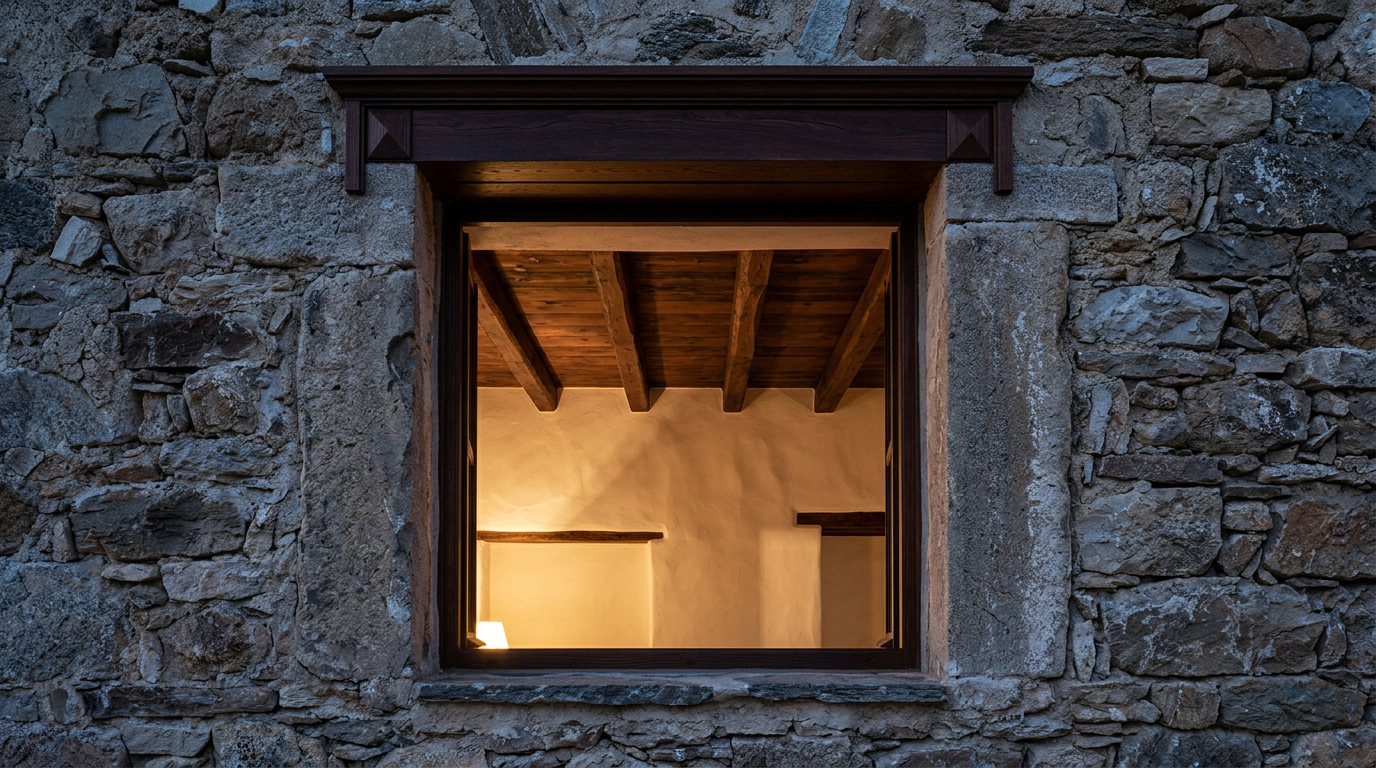
Natural lighting strategy forms a foundational aspect of contemporary Tuscan fortified farms. Building orientation is critical, primarily determined by solar path and prevailing winds. Architects meticulously position structures to harness optimal sunlight during cooler months and mitigate excessive heat gain in warmer periods. Large, south-facing apertures are often shaded by deep overhangs or pergolas constructed from douglas-fir glulam, preventing direct summer sun penetration while allowing low-angle winter light to flood interiors. North-facing windows are typically smaller, designed to admit consistent, diffuse light suitable for workspaces or galleries, minimizing glare and heat loss. East and west facades, which receive harsh morning and afternoon sun, often incorporate vertical louvers made of charred cedar or strategically placed narrow openings to control light entry and reduce thermal load. The strategic placement of windows, coupled with the reflective properties of interior surfaces, distributes daylight deep into the building's core, reducing the reliance on artificial lighting.
Interior spaces are often designed with precision timber joinery left visible, enhancing the tactile quality of the light. Smoked-oak veneer on interior walls and ceilings absorbs and diffuses light, preventing harsh reflections and contributing to a calm, measured ambiance. The engineered oak CLT structure itself can be left exposed, its grain serving as a surface that catches and articulates the moving light throughout the day. This careful consideration of material and light creates a dynamic, yet serene, internal environment.
ARCHITECTT Note
We observe a disciplined evolution in Tuscan vernacular architecture, where the re-engagement with historical techniques is not about nostalgia, but about material intelligence. The precision in slate application and timber detailing, combined with an acute awareness of solar mechanics, positions these contemporary fortified farms as exemplars of regionally attuned, performance-driven design. This approach demonstrates that sophisticated environmental control can emerge from a deep understanding of local craft and climate.
Closing
The contemporary fortified farm in Tuscany exemplifies an architectural direction that values material honesty and climatic responsiveness. The synthesis of traditional slate craftsmanship with engineered timber systems creates a building envelope that is both enduring and optically refined. Through careful orientation, fenestration, and the deliberate interplay of natural light with interior materials, these structures offer environments of quiet sophistication. This architectural practice affirms the enduring relevance of regional materials and skilled craft in shaping buildings resonant with place and purpose.
FAQ
What defines a contemporary Tuscan fortified farm?
A contemporary Tuscan fortified farm is a modern architectural interpretation of historical agricultural complexes, characterized by robust material envelopes, strategic environmental control, and a strong connection to regional materials, often using engineered timber and traditional stone or slate techniques.
How is slate used in contemporary Tuscan architecture?
Slate is employed not only for traditional roofing but also extensively in ventilated rain screen facades, where precisely cut tiles are hung to create dynamic surfaces that contribute to thermal performance and visual texture.
Why is building orientation important for natural lighting?
Building orientation is crucial for natural lighting as it dictates how a structure interacts with the sun's path throughout the day and year, influencing interior daylight distribution, solar heat gain, and energy efficiency.
What role does precision timber joinery play?
Precision timber joinery, often visible, contributes to the aesthetic quality of interiors, articulating the interplay of light and shadow, and showcasing the fine craftsmanship inherent in the contemporary design.
How do materials like smoked-oak veneer influence internal light quality?
Smoked-oak veneer and exposed engineered oak CLT absorb and diffuse natural light, creating a calm, measured ambiance within interior spaces and preventing harsh reflections, thereby enhancing visual comfort. The textures of the wood grain articulate the passage of light throughout the day, creating a dynamic internal environment.
In Short
Contemporary Tuscan fortified farms blend heritage slate craftsmanship with engineered timber and intelligent lighting design.
Key takeaways
- —Contemporary Tuscan fortified farms integrate traditional slate craftsmanship with modern engineered timber systems.
- —Natural lighting strategies are central to design, optimizing solar gain and reducing energy consumption.
- —Precision in material application and orientation defines the architectural approach.
- —The aesthetic relies on visible timber joinery and rich wood finishes like smoked-oak veneer.
Sources
- The craft of slate splitting involves carefully cleaving raw slate blocks along their natural grain to produce thin, durable tiles.https://en.wikipedia.org/wiki/Slate
- Engineered timber, such as cross-laminated timber (CLT) and glulam (glued laminated timber), is increasingly used in modern construction for its strength, stability, and environmental benefits.https://www.rethinkwood.com/how-to-build-with-wood/mass-timber/cross-laminated-timber-clt
- Ventilated rain screen facades improve thermal performance by creating an air cavity behind the exterior cladding, allowing for drainage and air circulation.https://www.wbdg.org/guides-specifications/design-objectives/sustainable/facades/rain-screen
Topics
Referenced in this piece
Continue reading