
Biophilic & Wellness
Blue Shells of Helsinki: Material Honesty and Air Quality in Research Architecture
Exploring how ancient concrete shell principles and modern steel craft inform indoor air quality strategies in Finnish research laboratories.
Helsinki’s concrete-shell research laboratories prioritize indoor air quality through material honesty, utilizing precision steel detailing and non-toxic materials to mitigate off-gassing and volatile organic compounds (VOCs).
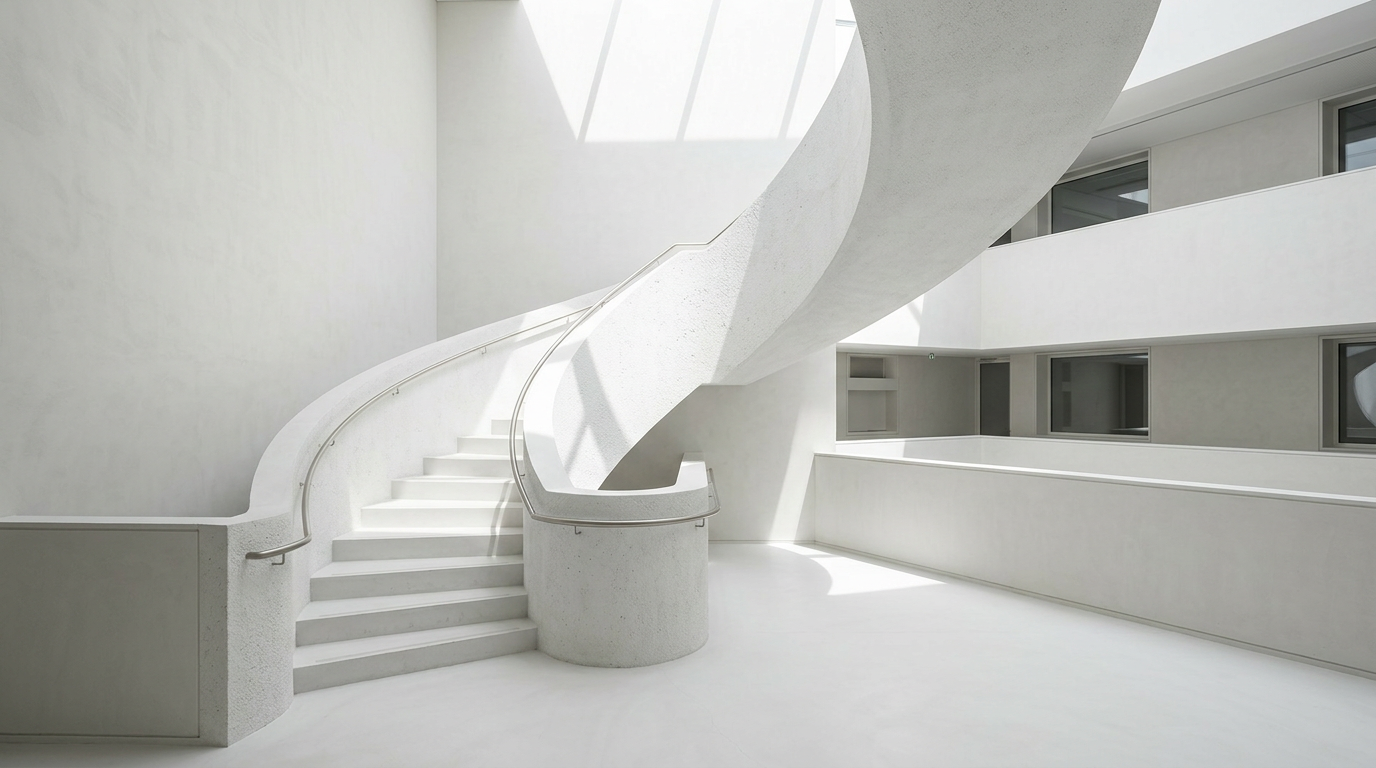
Helsinki’s concrete-shell research laboratories synthesize ancient structural principles with modern material honesty, prioritizing indoor air quality through precision steel detailing and non-toxic material choices. These buildings draw from the historical efficacy of robust shell structures, reinterpreting them with advanced materials and construction methods to create environments responsive to human health and scientific inquiry. This strategic deployment of form and material directly addresses issues of off-gassing and volatile organic compounds (VOCs) within demanding research settings.
In Short
- Concrete-shell structures in Helsinki embody a synthesis of ancient form and modern material science.
- Precision blued-steel detailing is critical for structural integrity and aesthetic resolution.
- Indoor air quality, VOCs, and off-gassing are central design considerations.
- Material honesty guides the selection and application of non-toxic components, ensuring occupant well-being.
Historical Echoes in Modern Materiality
The concept of the concrete shell, while often associated with 20th-century innovation, finds its conceptual lineage in ancient Roman and Greek architectural traditions. Pantheon’s dome in Rome, for instance, demonstrates the enduring structural efficiency of shell forms, achieving vast spans without intermediate supports. This historical precedent informs contemporary designs that utilize concrete’s compressive strength to create lightweight, efficient enclosures. In Helsinki, this principle is applied to research facilities, where demanding functional requirements intersect with the desire for durable, adaptable spaces. The adoption of concrete shells enables large, column-free interior volumes, ideal for adaptable laboratory layouts and flexible airflow systems. This structural approach minimizes the quantity of materials, focusing instead on their quality and inertness, directly contributing to improved indoor air quality by reducing surface area for potential contaminant accumulation.
Precision Steel and Material Honesty
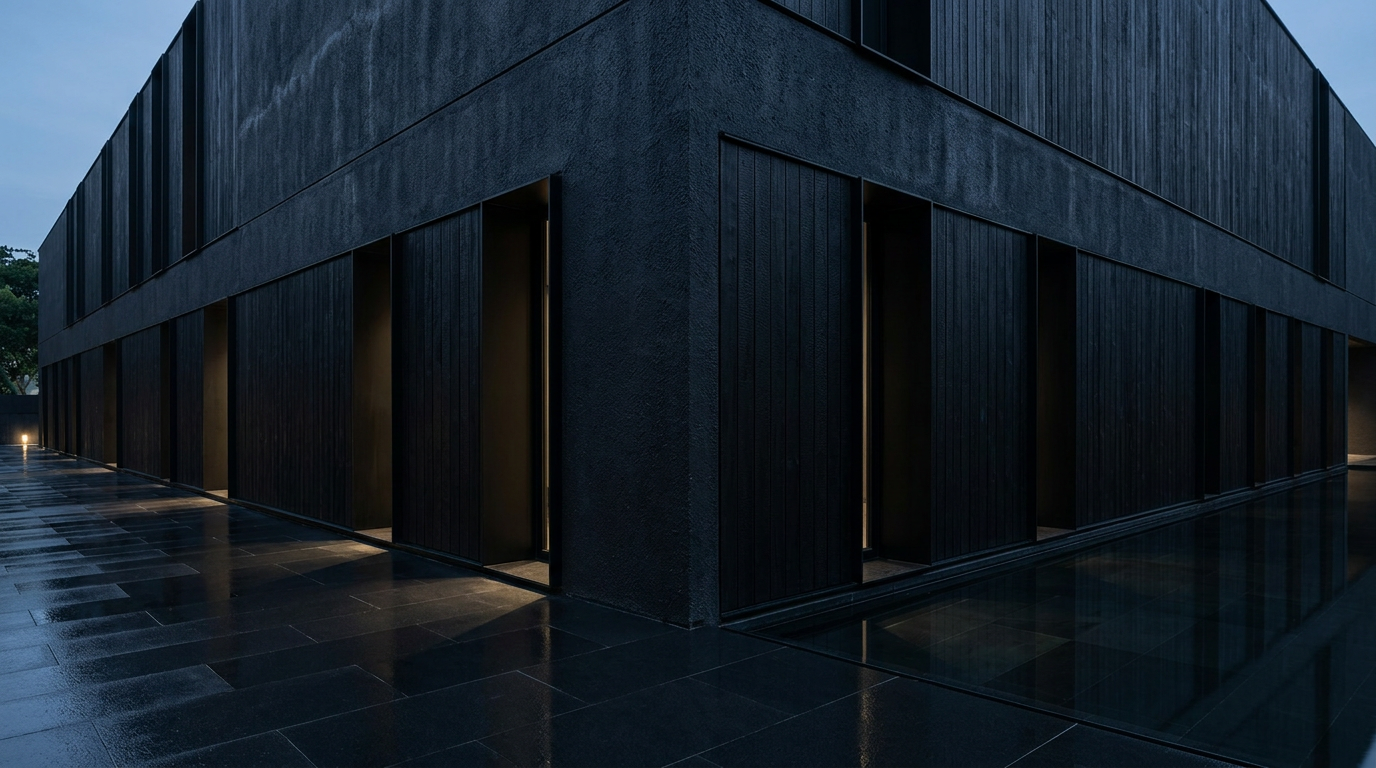
The integration of precision-detailed blued steel within these concrete shells is not merely aesthetic; it is fundamental to both structural performance and material honesty. Blued steel, achieved through controlled oxidation, offers enhanced corrosion resistance and a distinct visual character without additional coatings that might off-gas. This choice reflects a commitment to disclosing the true nature of materials. In shell structures, steel reinforcement provides tensile strength, while intricate steel connections ensure the precise articulation of the concrete forms. These details are often left exposed, their blued finish contrasting with the indigo-pigmented lime render or glazed cobalt brick. This material transparency extends to every component, from structural junctions to service penetrations, ensuring that all installed elements are known, specified, and selected for their minimal impact on indoor air quality. Each element's chemical composition and emission data are scrutinized, preventing the introduction of materials that could compromise the controlled research environment.
Mitigating VOCs and Off-Gassing
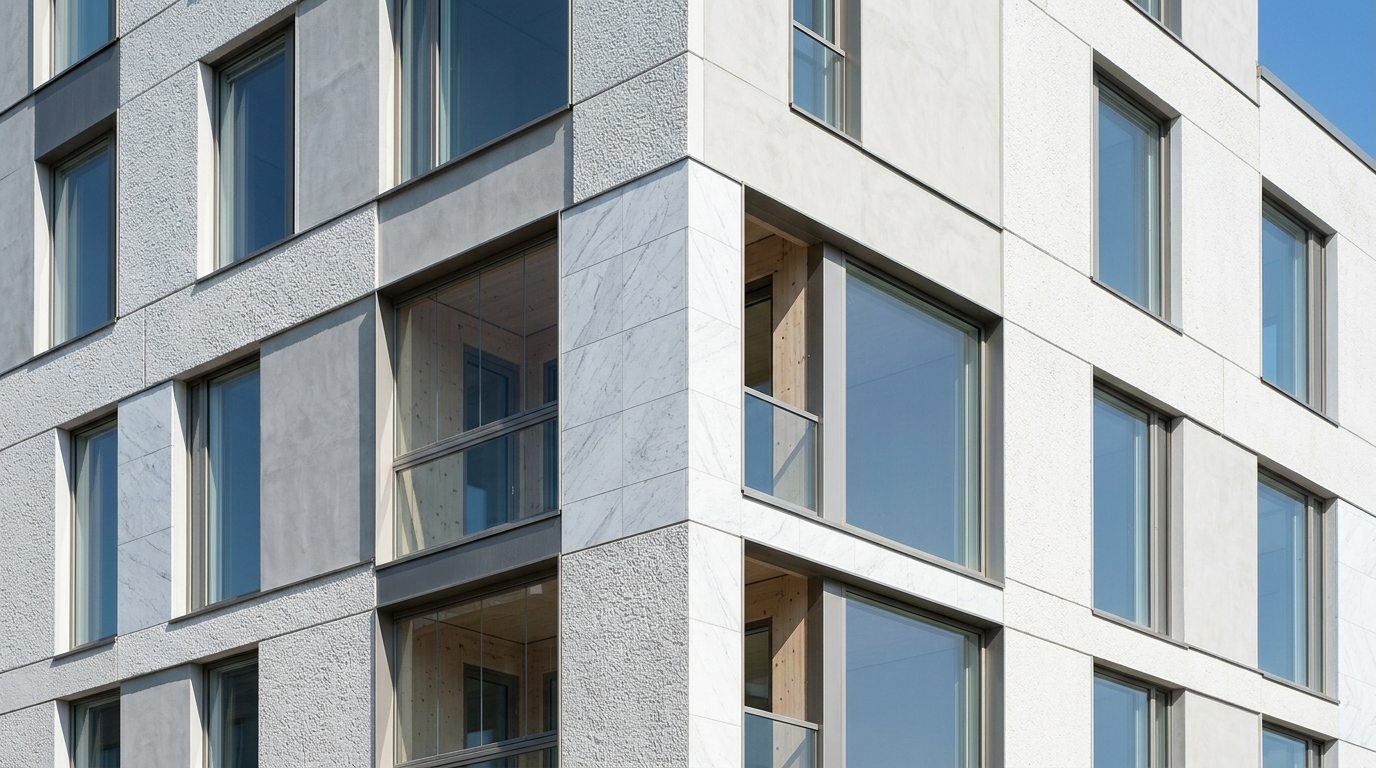
Indoor air quality (IAQ) is paramount in research laboratories, where sensitive experiments and prolonged human occupancy demand stringent environmental controls. Volatile organic compounds (VOCs) and off-gassing from building materials pose significant health risks and can interfere with scientific work. The design of Helsinki’s concrete-shell labs actively addresses these concerns through a multi-faceted approach. First, material selection prioritizes low-VOC and zero-VOC products, including internal finishes, adhesives, and sealants. Second, ventilation systems are designed for high air change rates and precise filtration, ensuring constant replenishment with fresh, filtered air. Third, the inherent stability and inertness of concrete and blued steel minimize the potential for chemical interactions or breakdown over time, which often leads to sustained off-gassing. Commissioning processes include extensive air quality testing to verify that post-occupancy IAQ targets are met, ensuring a healthy and productive environment for researchers. The solid, non-porous surfaces of the glazed cobalt brick and lapis-toned enamel panels chosen for interior finishes further reduce particle accumulation and simplify cleaning protocols, essential for maintaining sterile conditions.
ARCHITECTT Note
The confluence of ancient structural logic and contemporary material science, particularly as expressed in Helsinki’s research architecture, offers a compelling directive for future building. It reminds us that cutting-edge performance, especially in environmental quality, can arise from deeply informed material selections that value both structural truth and human well-being. The rigorous approach to material honesty and indoor air quality in these laboratories sets a benchmark for how architecture can actively support advanced scientific endeavor.
Closing
These concrete-shell research laboratories in Helsinki represent a forward-thinking synthesis of form, function, and environmental responsibility. By drawing on time-tested principles of shell construction and integrating modern precision steelwork, architects address both structural challenges and the critical demand for superior indoor air quality. The commitment to material honesty, from the large-scale structural elements to the smallest blued-steel connections, underscores a comprehensive approach to creating healthful and high-performing scientific environments. This architectural strategy illustrates that the health of a building and its occupants are inextricably linked to the integrity and transparency of its constituent materials.
FAQ
What defines a concrete-shell structure?
A concrete-shell structure is a thin, usually curved, three-dimensional form made of concrete that efficiently carries loads through its geometry. This allows for large, column-free spans and often results in lightweight, elegant structures.
How do these labs address indoor air quality?
Indoor air quality is addressed through the selection of low-VOC and zero-VOC materials, high-efficiency ventilation systems, and the inherently inert nature of concrete and blued steel. Rigorous testing during commissioning verifies performance.
What is blued steel and why is it used?
Blued steel is steel treated to create a protective, often bluish-black, oxide layer. It is used for corrosion resistance without additional chemical coatings, aligning with material honesty principles and reducing off-gassing.
How do ancient architectural principles relate to modern concrete shells?
Ancient structures like the Pantheon's dome demonstrate the inherent efficiency of shell forms in spanning large spaces. Modern concrete shells apply these principles with advanced materials and engineering for contemporary functional and environmental demands.
What role does material honesty play in these designs?
Material honesty dictates that materials are selected for their inherent properties, minimal environmental impact, and transparent chemical composition. This means avoiding hidden layers or finishes that could off-gas, and clearly expressing the true nature of building components.
Are these buildings unique to Helsinki?
While concrete shell construction is global, Helsinki’s application emphasizes specific regional considerations such as climate, advanced material research, and a strong local focus on environmental health in architectural design.
In Short
Helsinki's concrete-shell research labs combine ancient structural principles with modern material science to ensure superior indoor air quality by prioritizing material honesty and minimizing VOCs through precision steel detailing and non-toxic finishes.
Key takeaways
- —Helsinki's concrete-shell labs prioritize indoor air quality.
- —Ancient Roman shell construction principles inform modern design.
- —Precision blued-steel detailing is used for both function and aesthetic.
- —Material honesty guides selection of non-toxic, low-VOC materials.
- —Comprehensive strategies mitigate off-gassing in research environments.
Sources
- Pantheon’s dome in Rome, for instance, demonstrates the enduring structural efficiency of shell forms, achieving vast spans without intermediate supports.https://en.wikipedia.org/wiki/Pantheon,_Rome
- Blued steel, achieved through controlled oxidation, offers enhanced corrosion resistance and a distinct visual character without additional coatings that might off-gas.https://en.wikipedia.org/wiki/Bluing
Topics
Referenced in this piece
Continue reading