Future Living
Gudvangen’s Cave Dwellings: Acoustic Resilience in Renaissance Norway
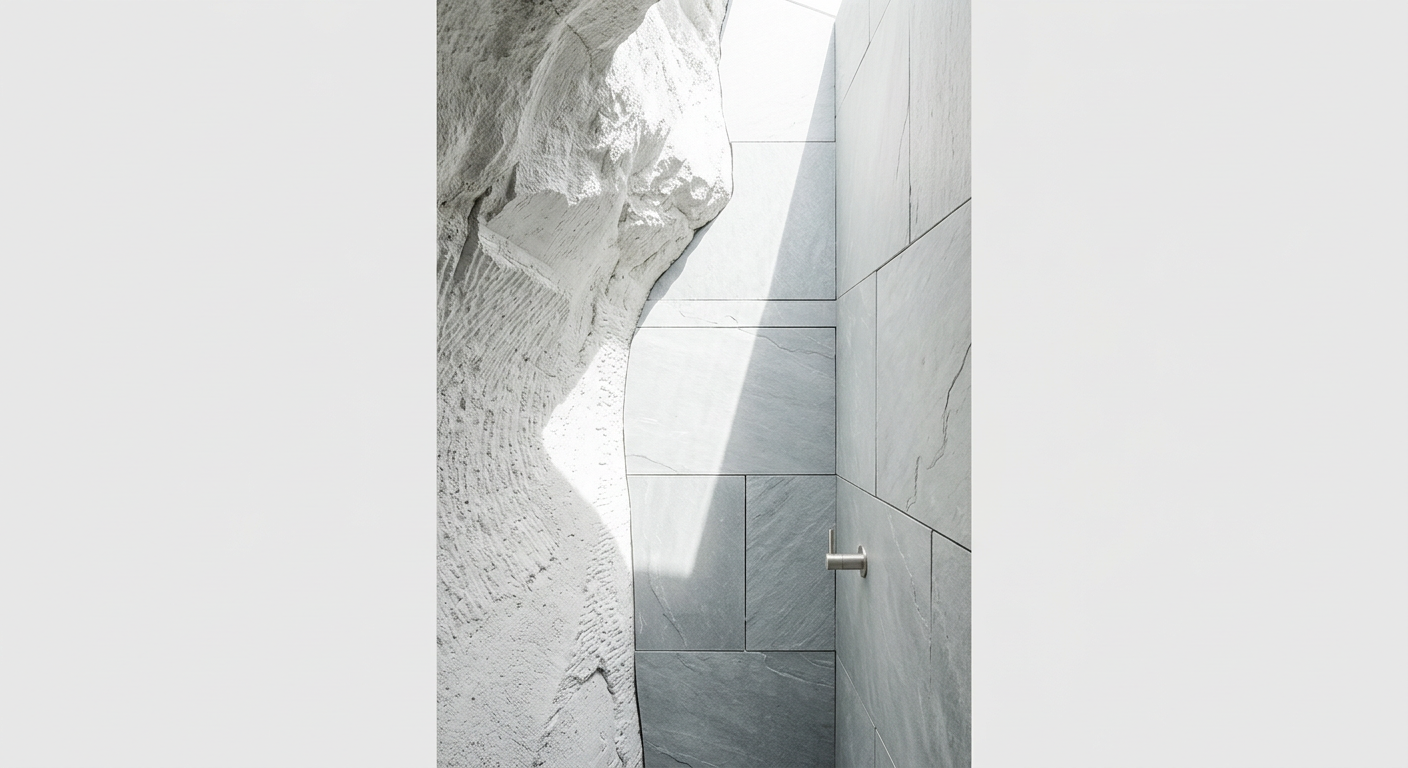
The recessed living spaces of Gudvangen offered not only shelter but also a distinct auditory environment, shaped by both geology and crafted slate.
The troglodyte dwellings of Gudvangen, Norway, exemplify Renaissance-era ingenuity in adapting to extreme topographies. These cave homes leveraged natural formations, enhanced by precision slate work for both structural integrity and acoustic quality, creating unique and resilient domestic environments.
The troglodyte dwellings carved into the cliffs of Gudvangen in Norway’s fjords represent an adaptive architectural approach from the Renaissance period. These subterranean homes offered inherent protection and thermal stability, with their internal structures often refined by the skilled application of local materials like split slate. This construction method not only provided a durable envelope but also contributed to a distinctive internal soundscape, an often-overlooked aspect of these historical habitats.
In Short
- Renaissance-era cave dwellings in Gudvangen utilized natural formations for shelter and thermal regulation.
- Slate splitting and hanging techniques were crucial for structural reinforcement and interior finishing.
- The geological context and material choices deeply influenced the acoustic character of these troglodyte homes.
- The soundscape within these dwellings offered both practical benefits and contributed to a unique living experience.
Geological Integration and Structural Adaptation
The fjords of Western Norway provided the initial canvas for these dwellings. Natural caves and overhangs, formed by glacial erosion and geological shifts, presented ready-made shelters. The human intervention began with the selective enlargement and refinement of these natural voids. Early inhabitants modified existing rock formations using rudimentary tools to create more habitable spaces. This phase focused on creating basic enclosures that offered protection from the harsh Nordic climate and potential external threats.
During the Renaissance, the methods evolved. In Gudvangen, skilled craftspeople learned to stabilize fractured rock faces, often using timber shoring before introducing more permanent structural elements. The integration of meticulously split and hung slate became a defining feature. This slate, quarried directly from the surrounding rock formations, was not merely decorative. It served as a robust, weather-resistant cladding that reinforced the cave entrances and created interior partitions. These structural adaptations were critical, ensuring the longevity and safety of the dwellings against rockfalls and the pervasive dampness inherent to cave environments.
The Craft of Slate: Splitting, Hanging, and its Materiality
The craft of slate splitting and hanging in the Norwegian fjords was highly specialized. Local slate, dense and layered, was extracted and then carefully cleaved into thin, uniform sheets. This process, often conducted using chisels and mallets, required precision to avoid fracturing the slate along unintended planes. Once split, the individual pieces were dressed and shaped for their specific application—whether for roofing over an excavated entryway or for interior wall lining.
Hanging the slate involved techniques similar to those used in traditional timber-frame construction. Slats were often nailed directly into timber supports embedded in the cave walls, or, in more advanced applications, mortared into place with lime. The overlapping nature of hung slate created a durable, self-shedding surface that resisted water ingress, crucial in a region with high precipitation. This meticulous craft ensured the structural integrity of the cave dwellings and contributed to their unique aesthetic, characterized by the subtle variations in the white to pale grey slate.
Acoustic Comfort and the Auditory Character of Cave Dwellings
The acoustic properties of the Gudvangen cave dwellings were a direct consequence of their geological context and the specific materials employed. The irregularly shaped rock walls, left unadorned in many sections, naturally diffused sound, preventing excessive echoes. This organic diffusion created a quieter, more intimate internal environment. When slate was introduced, particularly on flat wall surfaces or as flooring, it introduced a harder, more reflective surface. However, the layered, sometimes uneven application of slate, along with the presence of other natural materials like compacted earth or timber, prevented a harsh reverberant field.
The overall soundscape within these dwellings was one of reduced external noise, thanks to the thick rock envelope. The persistent sounds of wind and rain, often amplified in conventional timber or stone houses, were largely attenuated. Internal sounds—voices, the crackling of a hearth, the scraping of tools—would have been distinct but not overly amplified, creating a sense of acoustic comfort. This natural sound dampening fostered an environment conducive to rest and focused activity, a practical advantage in the challenging fjord landscape.
ARCHITECTT Note
The ingenuity demonstrated in the Gudvangen cave dwellings highlights the capacity of human habitation to harmonise with extreme natural conditions. The specific integration of local geological features with refined craft, particularly in slate work, reminds us that architectural solutions need not be monumental to be profoundly intelligent. These structures offer a lesson in material specificity and the nuanced interplay of form and function.
Closing
The cave dwellings of Gudvangen stand as a testament to adaptive survival and skilled material use in the Norwegian Renaissance. They illustrate how architectural responses to environments can transcend mere shelter, integrating deeply with the landscape to create spaces that are both physically resilient and acoustically nuanced. The legacy of these sites continues to inform contemporary discussions on sustainable habitation and the inherent qualities of locale-specific construction.
FAQ
What defines a troglodyte dwelling?
A troglodyte dwelling is a home or shelter excavated from rock formations, such as caves, cliffs, or earth. These structures utilize natural geological features and often involve minimal external construction, relying on the inherent properties of the rock for protection and stability.
Where are the Gudvangen cave dwellings located?
The Gudvangen cave dwellings are located in the region surrounding Gudvangen, a village situated at the end of the Nærøyfjord in Vestland county, Western Norway.
How did inhabitants manage light and air in these cave homes?
Light and air in these dwellings were primarily managed through strategically placed openings, often near the entrance of the cave or through excavated shafts. While limited, these openings ensured basic ventilation and ambient light, with fire providing additional illumination and warmth.
What role did slate play in the construction of these dwellings?
Slate was crucial for structural reinforcement, creating durable interior partitions, and weatherproofing exterior elements. Its layered nature allowed it to be split into thin, strong sheets ideal for cladding and roofing, protecting against moisture and erosion.
How did the cave environment influence the internal soundscape?
The thick rock walls of the caves naturally attenuated external noise, creating a quieter interior. The irregular surfaces diffused sound, reducing echo and contributing to a sense of acoustic comfort, making internal sounds distinct without excessive reverberation.
Are these dwellings still inhabited today?
Most of the historical cave dwellings in Gudvangen are no longer permanently inhabited. Many serve as archaeological sites, tourist attractions, or protected heritage locations, offering insights into past living practices and architectural adaptations.
In Short
Gudvangen’s Renaissance-era cave dwellings in Norway combined natural geology with skilled slate craft to create acoustically comfortable and structurally resilient homes within the fjords.
Key takeaways
- —Renaissance-era troglodyte dwellings in Gudvangen integrated natural caves with skilled slate craftsmanship.
- —Slate splitting and hanging provided structural integrity and weather protection while contributing to the aesthetic.
- —The dense rock and specific material applications created a unique and acoustically comfortable interior soundscape.
- —These dwellings offer lessons in adaptive architecture, material specificity, and harmony with extreme natural environments.
Frequently asked
What defines a troglodyte dwelling?+
A troglodyte dwelling is a home or shelter excavated from rock formations, such as caves, cliffs, or earth. These structures utilize natural geological features and often involve minimal external construction, relying on the inherent properties of the rock for protection and stability.
Where are the Gudvangen cave dwellings located?+
The Gudvangen cave dwellings are located in the region surrounding Gudvangen, a village situated at the end of the Nærøyfjord in Vestland county, Western Norway.
How did inhabitants manage light and air in these cave homes?+
Light and air in these dwellings were primarily managed through strategically placed openings, often near the entrance of the cave or through excavated shafts. While limited, these openings ensured basic ventilation and ambient light, with fire providing additional illumination and warmth.
What role did slate play in the construction of these dwellings?+
Slate was crucial for structural reinforcement, creating durable interior partitions, and weatherproofing exterior elements. Its layered nature allowed it to be split into thin, strong sheets ideal for cladding and roofing, protecting against moisture and erosion.
How did the cave environment influence the internal soundscape?+
The thick rock walls of the caves naturally attenuated external noise, creating a quieter interior. The irregular surfaces diffused sound, reducing echo and contributing to a sense of acoustic comfort, making internal sounds distinct without excessive reverberation.
Are these dwellings still inhabited today?+
Most of the historical cave dwellings in Gudvangen are no longer permanently inhabited. Many serve as archaeological sites, tourist attractions, or protected heritage locations, offering insights into past living practices and architectural adaptations.
Sources
- The Gudvangen cave dwellings are located in the region surrounding Gudvangen, a village situated at the end of the Nærøyfjord in Vestland county, Western Norway.https://en.wikipedia.org/wiki/Gudvangen
- Gudvangen is a village situated at the end of the Nærøyfjord in Vestland county, Western Norway.https://www.visitnorway.com/places-to-go/fjord-norway/the-fjords/naeroyfjord/
Continue reading